
A Biopharmaceutical Company Is Actually Testing a Weight Loss Drug for Cats
The GLP-1 drug study on obese cats is being labeled "MEOW-1".

Published Feb. 7 2026, 9:37 a.m. ET

While humans taking GLP-1 medications have enough to worry about with a bevy of concerning reports, those who share a home with overweight feline companions may one day find a fix for their furry friend's weight problems. Indeed, a biopharmaceutical company is actually in the process of recruiting a handful of overweight cats for a study on how GLP-1 medication would affect an overweight cat's body.
It sounds too far-fetched to believe, but it's true, and the study name is pawsitively adorable.
What is the scope of this study, how many cats are involved, and what are the implications if this drug trial is successful and a GLP-1 medication for overweight cats hits the market? We answer these questions, and more, below.
Continue reading to learn all about this study and its fascinating details so that you can better understand why overweight cats who struggle with weight loss may one day find relief in an Ozempic-like drug made specially for cats.
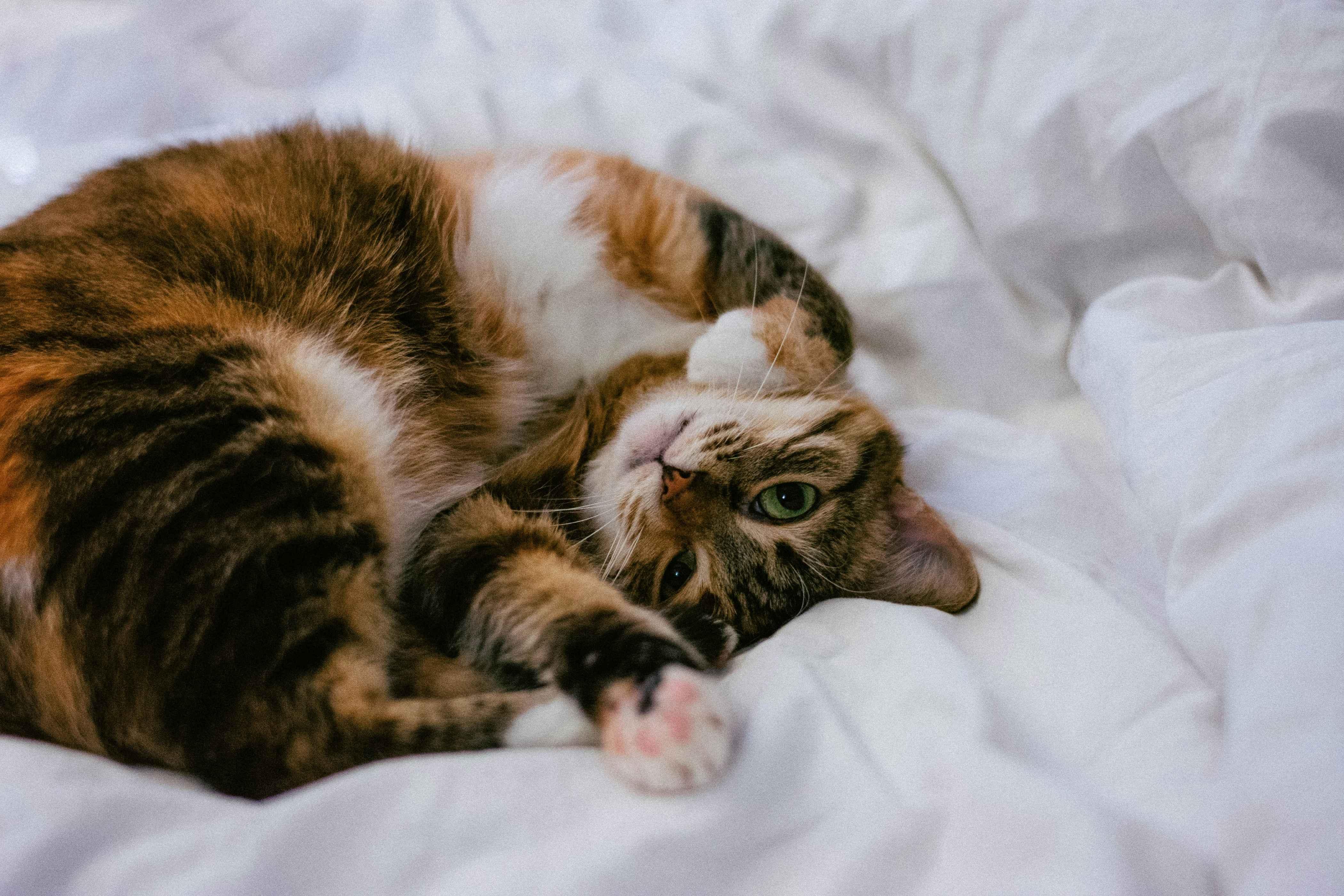
A weight loss drug is currently being studied for use on overweight cats.
According to a report in ABC News, a landmark new study called MEOW-1 is being launched by San Francisco-based biopharmaceutical company Okava to test a GLP-1 medication on up to 50 overweight cats. A miniature implant, labeled OKV-119, will administer GLP-1 medication to cats in this study continuously for up to six months.
Okava CEO Michael Klotsman claims the company will seek FDA approval for the product between 2027 and 2028.
Furthermore, Klotsman said the future product would cost cat parents $100 per month out of pocket. There is obviously no word yet on whether or not those with pet insurance would have such a product covered by their plan.
"Weight management offers transformative health benefits for cats. Weight reduction is the only proven means of extending a cat’s lifespan. Leaner cats have significantly reduced diabetes risk, and joint pain associated with excess body weight is eliminated," per Okava.
If you're wondering, yes, there is already a tongue-in-cheek name for cats who will be taking this GLP-1 medication, according to The New York Times: ozempets.
“You insert that capsule under the skin, and then you come back six months later, and the cat has lost the weight. It’s like magic,” explained University of Florida veterinarian Dr. Chen Gilor, who is leading the study.
If you were not already aware, it appears that weight loss and diabetes drugs were already being prescribed for companion animals. The MEOW-1 study, however, would provide a cat-specific drug for overweight felines.
"Some veterinarians have already begun administering human GLP-1 drugs, off label, to diabetic cats, and Okava is not the only company developing a product specifically for companion animals," according to the report in The New York Times.
As The New York Times reports, an estimated 60% of companion cats and dogs in the U.S. are obese. Dr. Gilor claims that diabetes is treatable, but the veterinary industry is "doing such a lousy job treating it."
The MEOW-1 study, which stands for “ManagEment of Over Weight cats,” will administer a drug called exenatide to two-thirds of the cats in the study. At some point, Okava will seek to study the drug's impact on dogs, as well as for conditions such as diabetes and chronic kidney disease.