
Scientists Make a Discovery in Greenland That Changes Their Understanding of the Earth
This gives them a better understanding of how sea levels rise.

Published Dec. 29 2025, 2:47 p.m. ET

Researchers are sounding the alarm after making an unusual discovery under Greenland. According to their findings, which were published in October 2025, everything scientists thought they knew about how ice loss and sea-level rise are connected could be wrong, which means their estimated timelines about how quickly the water on Earth could rise may be off.
This means that things could accelerate faster than previously believed, potentially putting some cities in grave danger.
The country serves as a bellwether due to the fact that it is a major contributor when it comes to global sea levels, which allows experts to use what happens in and around Greenland to make predictions about the world at large. As such, researchers now say coastal communities may need to move up their timelines when it comes to bracing for the impacts of rising sea levels.
You can learn more about the discovery scientists made under Greenland below.
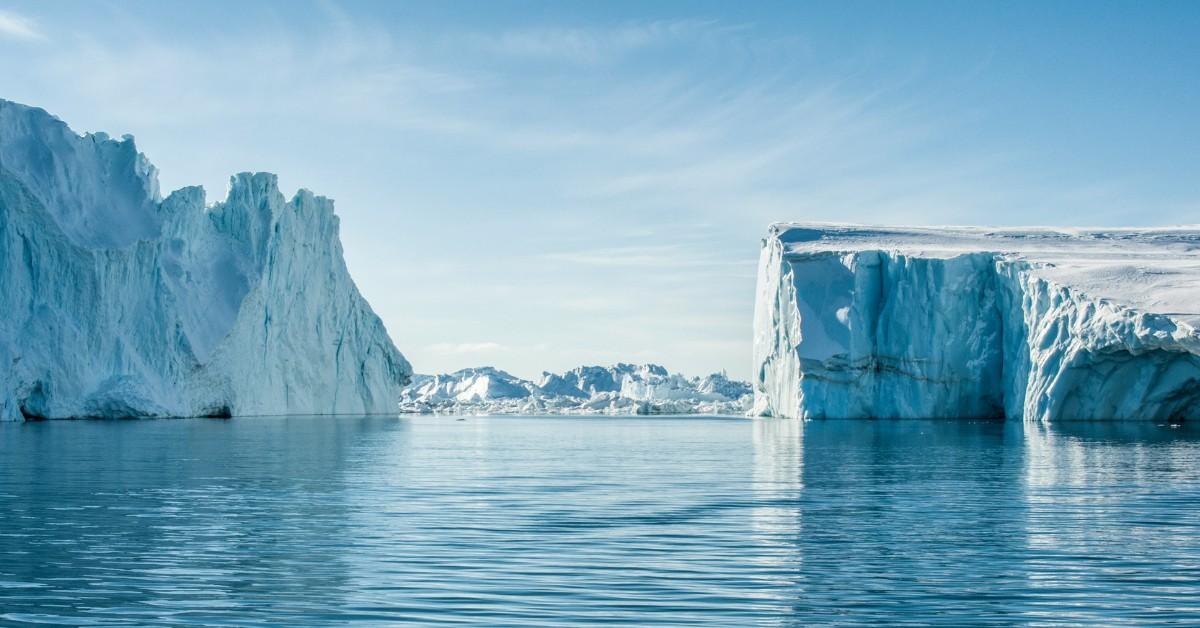
Scientists found sediments in Greenland's ice sheet.
According to research that was published in the journal Geology, scientists found soft sediments in a large swath of the base of Greenland's ice sheet. They made the discovery after analyzing seismic information that was gathered from 373 stations, which required them to use waves from earthquakes around the world to map the conditions of the subsurface.
This information was then used to determine that the ice flow beneath the ice sheets moves faster than previously thought.
This movement sends ice to move into the ocean, which contributes to the rising waters in the ocean. This not only impacts coastal communities who will see sea levels creeping further and further on shore, according to The Cool Down, but it can also lead to more catastrophic flooding during storms.
That encroaching sea water can have devastating effects on agriculture, when it floods land with salt water, helps facilitate the spread of disease, and sends mosquito larva further inland.
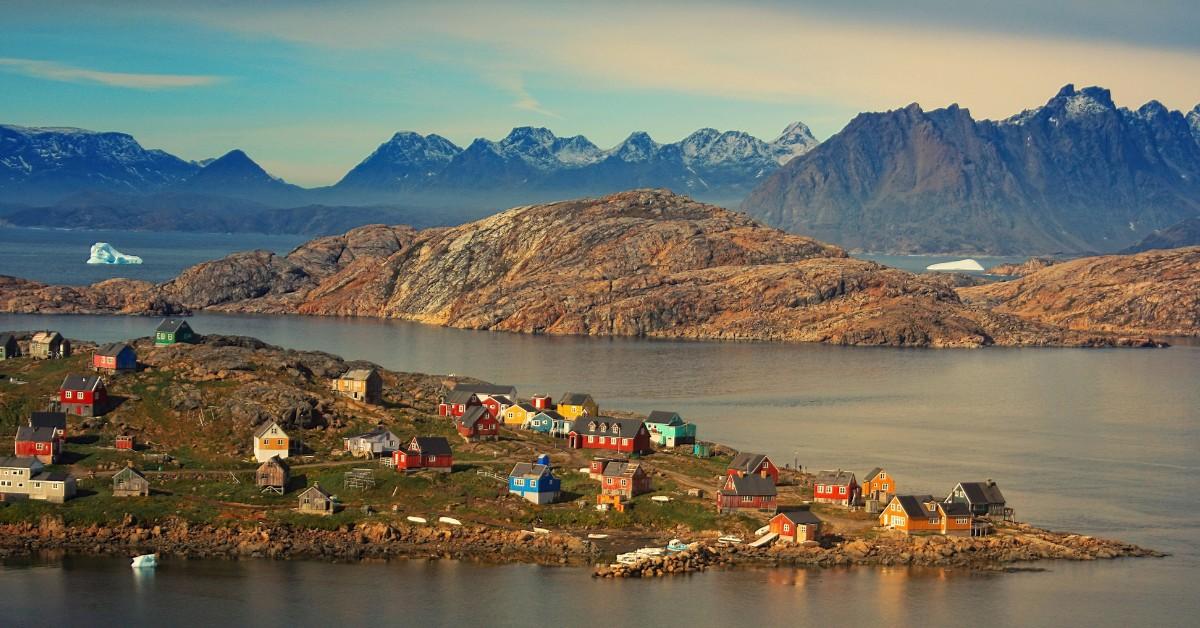
Melting glaciers and ice sheets have scientists worried.
Scientists have been worried about the impact that rising sea temperatures have on glaciers for a while now. And, glaciers like the Thwaites — which has been given the sobering nickname of the Doomsday Glacier — have experts worried that climate change is causing these ice giants to melt faster than previously expected.
As a result, they are saying that the cities that are most at risk — which includes both coastal areas and low ones more inland — should be coming up with contingency plans.
Those contingency plans could involve creating infrastructure that can withstand coastal flooding, both during storms and high tides as water levels rise, as well as evacuating some areas that will be more prone to destruction that could result in both the loss of property and the loss of life.
Of course, many of these predictions will see the biggest impact in decades, if not hundreds of years, giving civilization time to prepare and make changes to slow global climate change.