
Experts Say the Doomsday Glacier Is Sending Us an Important Message About Our Future
It's about 80 miles wide, and covers roughly the same amount of space as Great Britain.

Updated Dec. 24 2025, 12:15 p.m. ET

There's a glacier in Antarctica that scientists believe hold the key to the future of humanity. That's because the Thwaites Glacier — aptly nicknamed the Doomsday Glacier — is a good predictor of global sea rise. Not only that, but experts say that when this glacier finally melts or becomes untethered from where it sits, it could have the power to flood whole cities, including London and New York.
As such, experts keep a close eye on the ice structure and report changes as they spot them.
And, reporting changes is exactly what they are doing since they say they have a sobering update about the Doomsday Glacier, and it's one that could change the landscape of some major cities around the world, especially those coastal or low-lying ones that will be most impacted by the rising sea.
Curious what this means for you? Keep reading to learn more about the Doomsday Glacier and what scientists say they've uncovered while checking on the west Antarctic giant.
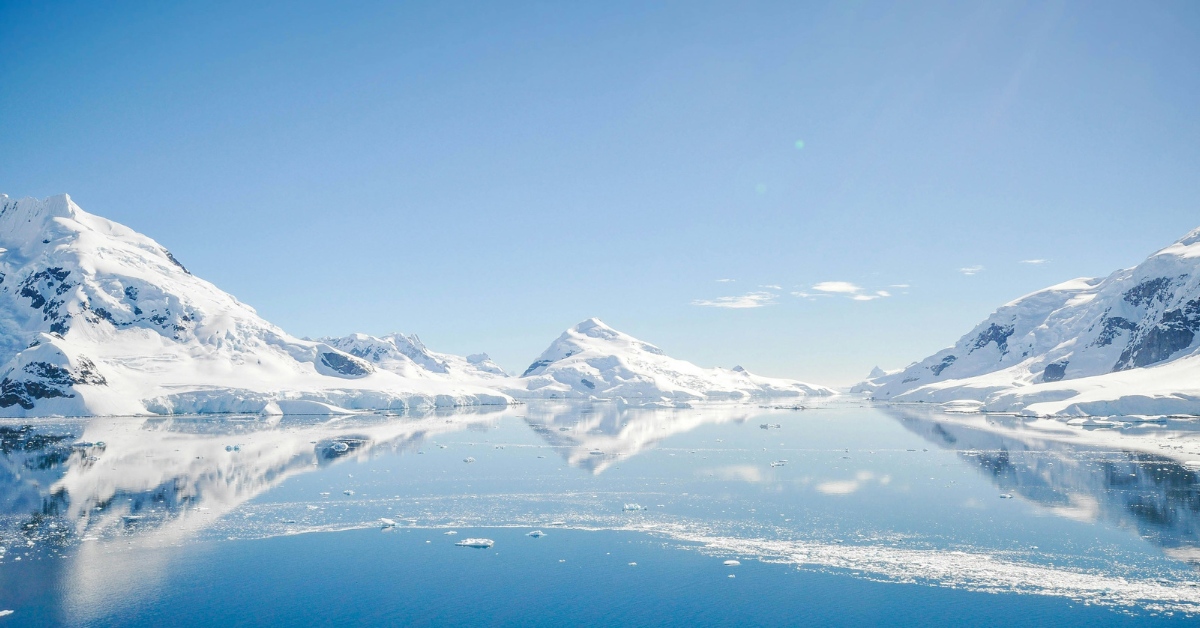
Scientists give an update on the Doomsday Glacier.
According to Science Daily, there is an update on the glacier thanks to a study that was published in the Journal of Geophysical Research: Earth Surface, which offers a detailed breakdown of the glacier's status, which includes 20 years of satellite data, measurements of ice-flow, and GPS data.
From there, the study's authors were able to see the fractures that have formed along the glacier's shear zone and how they have weakened the structure holding the glacier in place.
Unfortunately, they say that those fractures have caused a feedback cycle that not only increases the acceleration of the ice flow, which in turn further damages the shelf that pins the glacier to its location.
This information not only tells scientists that the glacier is less stable than previously thought (and melting faster), but it also gives them an idea of how other glaciers in the region could also be responding to the changing sea, which will further fuel global sea-level increases.
Why is it called the Doomsday Glacier?
So, how did the Thwaites Glacier earn its unfortunate nickname? According to How Stuff Works, the glacier was given the moniker by scientists who took a look at the glacier's enormous size — it's about 80 miles wide, and covers roughly the same amount of space as Great Britain or the state of Florida which makes it the widest glacier on Earth — and realized that when all of that water melted, it would cause the sea to rise about 25.6 inches, which would lead to catastrophic flooding
Not only that, but if the glacier melts, it would allow ocean water to access other glaciers that are currently blocked by the Thwaites Glacier, allowing them to melt as well, which would further increase sea levels and flooding.
While none of this would happen overnight, even small increases to sea levels could have dire consequences, which is why experts have given the glacier such a scary nickname.