
Yes, the EPA Has Repealed Protections Keeping Your Drinking Water Safe From Forever Chemicals
If finalized, the Trump administration proposal would end drinking water limits for four toxic PFAS.

Updated May 19 2026, 8:45 p.m. ET

Forever chemicals have made a lot of headlines in the news over the years. These compounds, which are more accurately known as per- and polyfluoroalkyl substances (PFAS) and refer to a group of around 15,000 different chemicals, have come under fire after it was discovered that remnants of these substances remain in the environment much longer than they were previously thought to.
And its not just their longevity that has experts sounding the alarm when it comes to forever chemicals.
It's also all the different places where these compounds can be found, which can range from the rain in the Great Lakes to our country's water supply.
As such, advocates have worked tirelessly over the years to limit and regulate the use of these chemicals. However, Donald Trump's administration has been pushing back, and in a stunning reversal, the U.S. Environmental Protection Agency (EPA) announced that it would repeal the protections keeping these chemicals out of our drinking water.
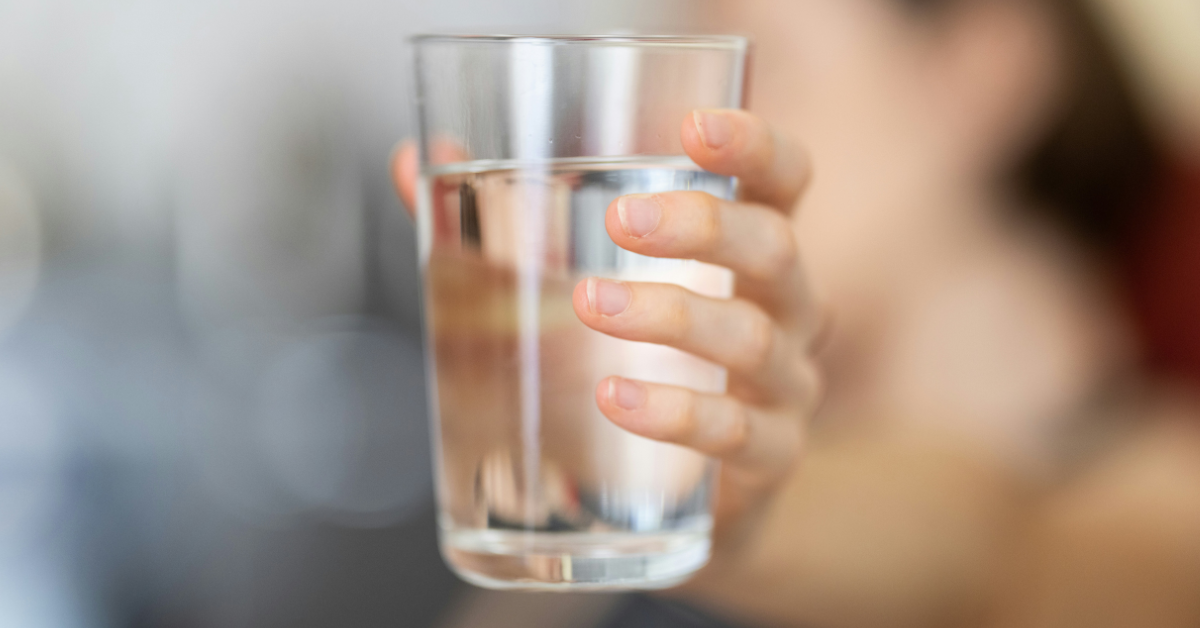
EPA announces plans to repeal forever chemical protections for our country's supply of drinking water.
On May 18, the EPA released a statement on its website saying that it planned to repeal some of the limits that were already in place when it came to regulating PFAS in drinking water.
The agency's statement framed the decision as one that was based on science, criticizing the decisions made by then-President Joe Biden as he announced a groundbreaking investment in fixing the U.S. water supply by putting protections in place that would prevent more PFAS from being introduced into our water.
However, critics of the announcement like the Plastic Pollution Coalition, says that the EPA's decision not only weakens the very few protections that were already in place, but it only addresses six of the 15,000 PFAS used in manufacturing. Additionally, the advocacy group says that it gives water companies a two-year delay on requiring regulations on PFOA and PFOS, giving them until 2031 to comply.
This delay will likely hit vulnerable communities the hardest.
The Biden administration's decision to impose these standards on drinking water was the first time in 30 years that new standards were set.
Critics of the decision to now repeal those protections say that the Trump administration could face legal action as a result of this announcement, especially as it pertains to the anti-backsliding provision in the Safe Drinking Water Act, which is meant to support the expansion and support of water safety standards, not the repeal of protections.
What are PFAS?
Forever chemicals are a mix of compounds that are often used in manufacturing. A lot of times, they can be found in non-stick materials and waterproof items, like cookware and makeup.
While researchers are still studying the impacts of PFAS on the human body, Stanford says that there have been studies completed that show that exposure to some of these ingredients can cause adverse health reactions, including liver damage and death in animals.
Other compounds, like PFOA and PFOS are believed to cause cancer in humans.
We probably haven't heard the last of the fight over forever chemicals in our drinking water, but for now it's clear that those who are advocating against the EPA's repeal will have their work cut out for them.