
How Can You Test Your Water for PFAS?
PFAS are found around the world.

Published Feb. 12 2026, 1:12 p.m. ET

If you haven't yet heard of PFAS, or per- and polyfluoroalkyl substances, they are a collection of synthetic chemicals that became popular in the 1950s, and they have been used in everything from mascara to non-stick cookware ever since.
However, these chemicals have another nickname you may be more familiar with: forever chemicals, since they do not break down in the environment. Their longevity means that they can be found in a lot of different places.
That includes everything from fish that swim in the waters that are heavily polluted with forever chemicals. It's that presence in water that has some people concerned, since PFAS have also been found in drinking water. According to the Environmental Working Group (EWG), PFAS have been found in 9,552 sites within the U.S.
Keep reading to find out how you can test your water for PFAS, and whether or not systems like reverse osmosis can actually remove PFAS from your home's drinking water.
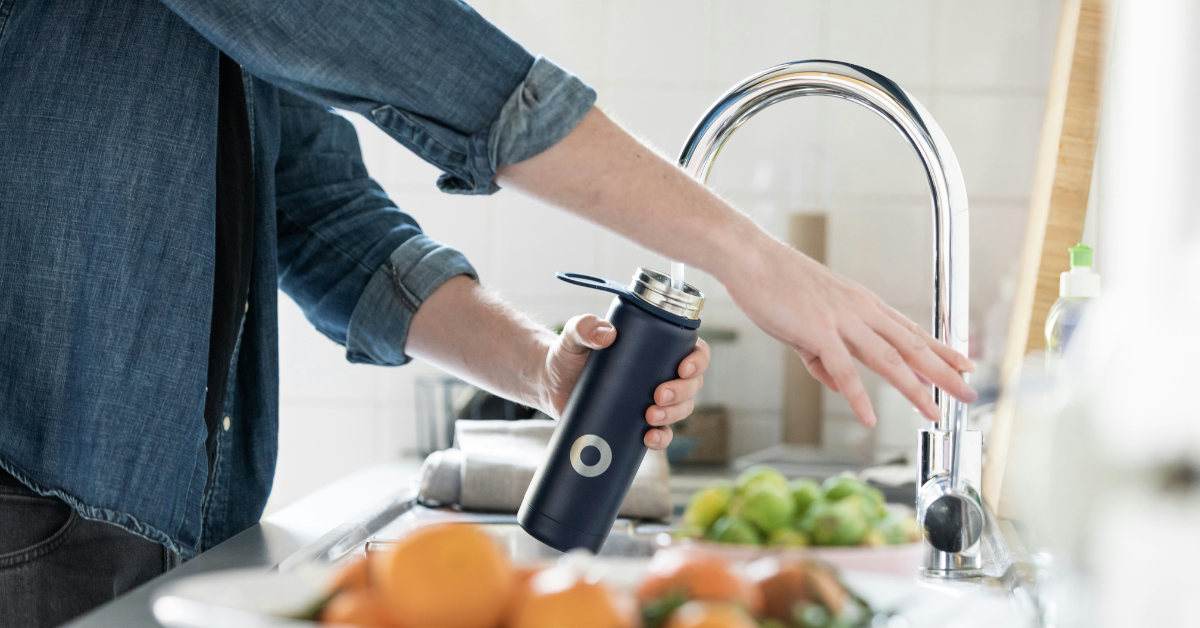
How to test your water for PFAS:
The U.S. Environmental Protection Agency (EPA) says that the agency has come up with three different methods for checking for PFAS in the water, and they can test for 29 different types of forever chemicals. Typically, states work with certified labs that test for these chemicals, monitoring the number and volume of PFAS found in the water to verify that they remain compliant.
However, the EPA notes that there are ways to have your water lab tested separately from the state test.
According to them, you'll need to contact your state laboratory certification program, where you can find out if your state has labs that they recommend that you use, or if there are other suggestions for you to have your water tested.
That being said, there are also companies that sell water testing kits, or else offer to test your samples if you send them in. For example, Cyclopure has a home collection kit that looks for 55 PFAS compounds and sends the results directly to your email.
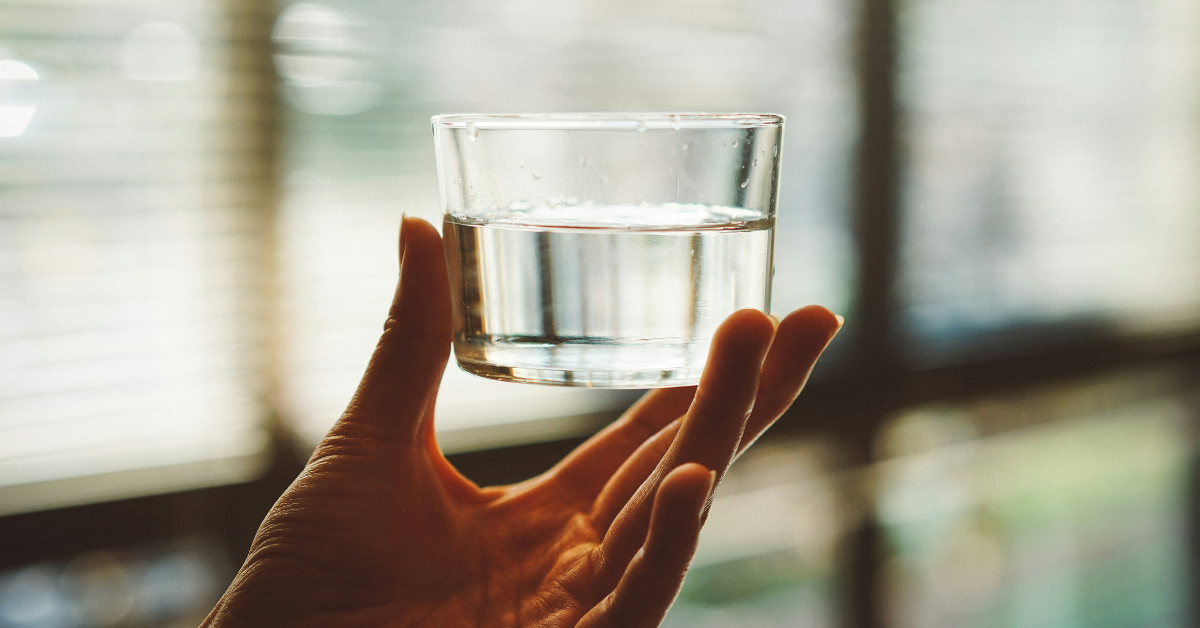
However, the resource Tap Score warns against using certain at-home tests, including DIY test strips that involve collecting and testing your home's water on your own. According to the organization, test strips are unable to accurately detect the levels of forever chemicals found in your tap or well water, since labs need to use specialized equipment to determine whether or not the amounts of PFAS found in your water are considered safe or not.
It's worth noting that Tap Score says that there can also be a margin of error when doing home tests, since self-collected PFSA samples can only be accurately read if you follow collection instructions, which includes washing your hands prior to gathering your samples and using only the containers provided by the lab doing the testing.
Failing to follow those instructions could invalidate the results of your test.
Does reverse osmosis remove PFAS?
Your water has tested positive for PFAS, so how do you remove them? A lot of people have turned to reverse osmosis or nanofiltration to remove the forever chemicals from water. According to the EPA, they have had great luck with these methods, since they involve using high-pressure membranes to filter the particles.
However, the EPA notes that reverse osmosis can also remove desirable minerals from your water as well, since the membranes are less permeable.