
Is Your Air Fryer Making You Sick? Study Shows Home Appliances May Be Harmful to Our Health
Children are said to be especially suspectable to the particles.

Published Dec. 10 2025, 12:25 p.m. ET

Many American homes feature a range of different small appliances, which can include anything from blow dryers to air fryers. And while a lot of these gadgets can help us make our day-to-day lives easier, thanks to speeding up the process of cooking for our families or getting ready for work, they could also be releasing harmful particles into the air that may be making us sick while we use them.
At least, that's what a South Korean professor says after investigating some of our favorite appliances.
The findings have left many people wondering just how much of their health they are sacrificing for convenience, after the professor says that they discovered that many common appliances emit something called ultrafine particles (UPF) into the atmosphere.
According to the research, these ultrafine particles may be harmful enough to make us sick, and there's one population of people that could be particularly vulnerable to the UPF. Here's everything we know about the research.
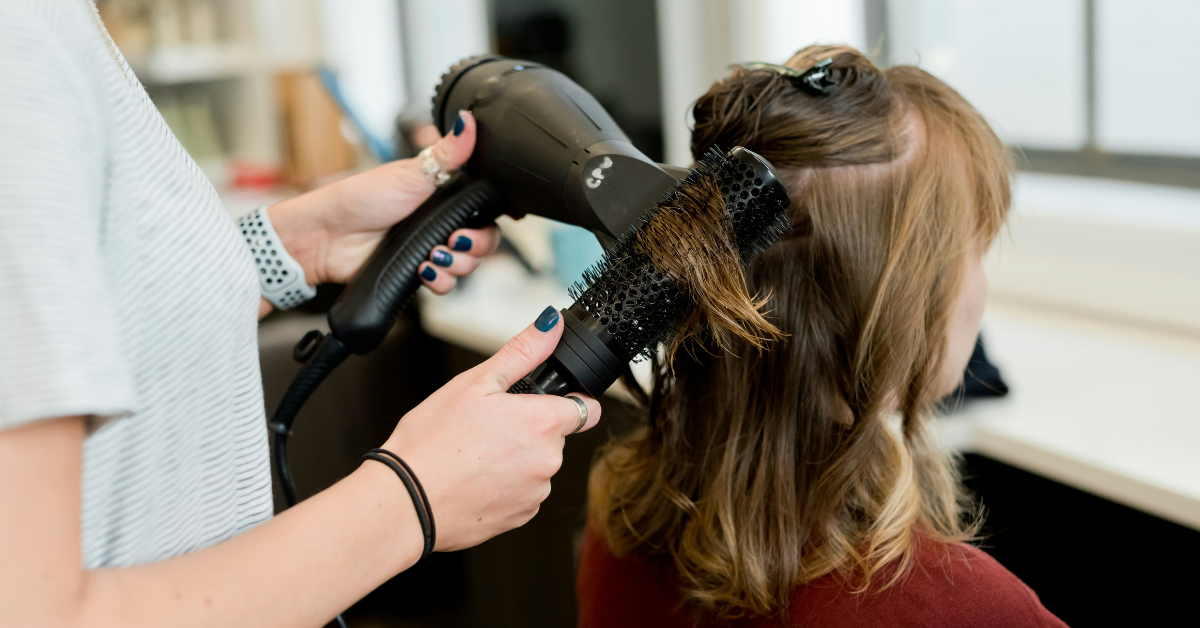
Home appliances may be making us sick thanks to the UPF they release when heated up.
Newsweek says that Professor Changhyuk Kim has investigated how certain small appliances (think hairdryers and toaster ovens) are releasing UFP into our homes. These UPF are then inhaled, where they settle into an area of our lungs known as the alveolar region, which lies in the deepest parts of our respiratory tracts.
These harmful particles are considered pollutants, and the professor says that they could cause long-term health issues, especially in more vulnerable populations.
Unfortunately for parents and caregivers, that means children may be at an increased risk due to the size of their airways and the amount of UPF that is inhaled in proportion to their body weight.
According to a study published in the journal Experimental & Molecular Medicine, those particles can cause coughing and worsen asthma. Additionally, sometimes the UFP can move to other parts of the body and release additional toxins that have been associated with cancer, liver disease, and more.
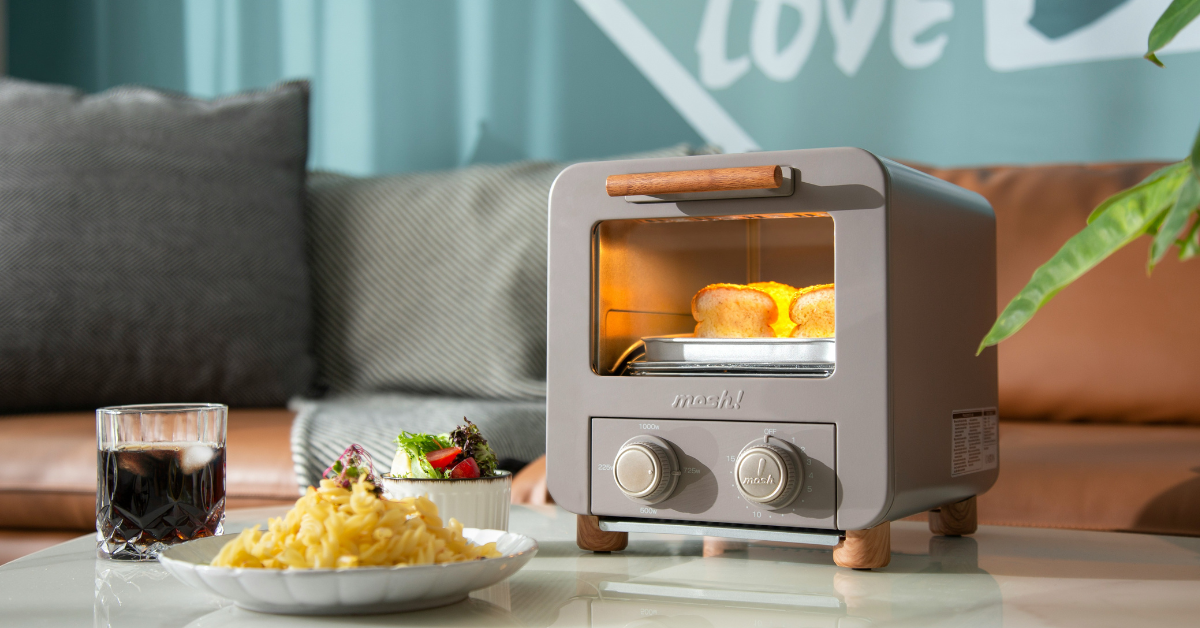
Why do appliances release UPF into our homes?
Kim says that this happens because of the carbon brushes that are used in the motors of these appliances. When the motor heats up, and the brushes start running, they appear to create UFP that are then released into the air at 10 to 100 times higher rates than those appliances that use brushless motors, according to the study published in the Journal of Hazardous Materials.
Another factor at play? Kim's team says that some appliances have heating coils that contain heavy metals.
When metals like aluminum, iron, and copper are used in the heating coils of motors that use carbon brushes, they increase health risks like cell death and damage once they are inhaled.
As such, Kim's team is calling for manufacturers to consider these designs, especially when used in personal devices like hairdryers, which have little protection and are used closed to the body where the particles can be more easily inhaled by the user, which can sometimes include small children.