
What Caused the Devastation That Plagues the Aral Sea?
The waterway lies in the middle of a desert.

Published Jan. 2 2026, 4:12 p.m. ET

You may be unfamiliar with the Aral Sea. However, once upon a time it was the third or fourth-largest (accounts differ) lake in the world. Located between Kazakhstan and Uzbekistan, the lake was bespeckled with over a thousand islands, which is why the name loosely translates into the phrase "Sea of Islands."
However, the lake slowly began to dry up in the 1960s thanks to manmade interventions put into place during the Soviet era. In the years that followed, the lake continued to shrink in size.
By 2007, the massive waterway and been turned into four separate lake sections, and in the years that followed, the water levels shrank even further, devastating the region and creating a new desert space known as the Aralkum Desert.
What was left by the dried up sea has been called the worst environmental disaster on the planet. Here's everything we know about what happened to the Aral Sea, including what experts say can be done to bring it back to its former glory.
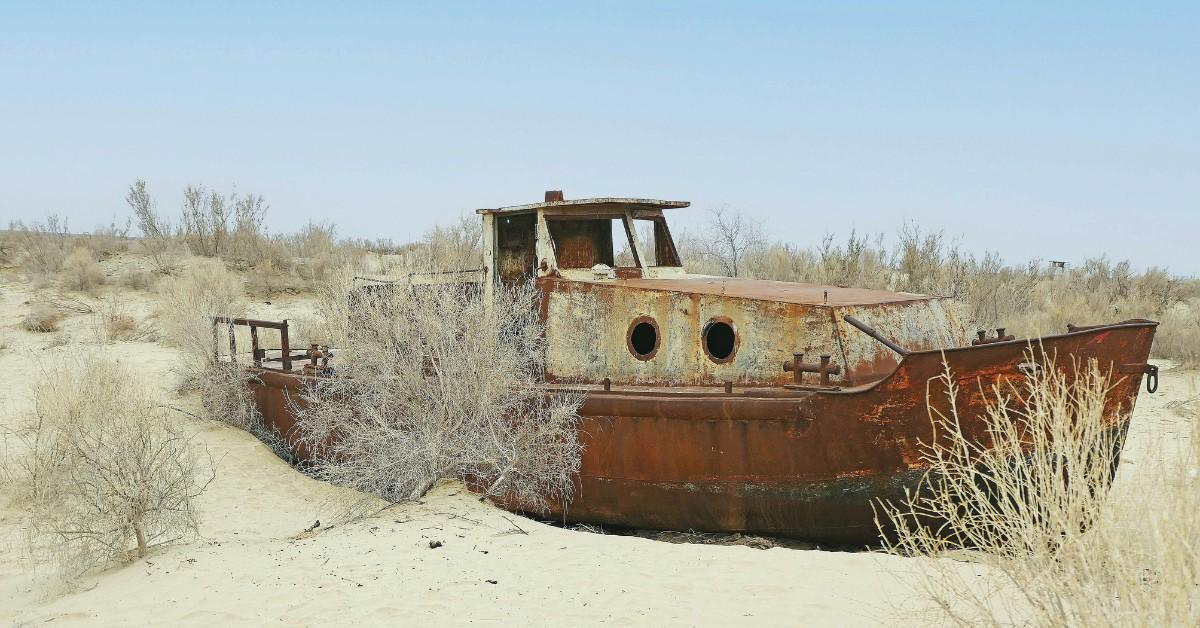
Why did the Aral sea dry up?
According to NASA, the lake began drying up when an irrigation project diverted the rivers that fed the Aral Sea. The project diverted the Syr Darya and Amu Darya rivers, which previously fed down into the basin of the Kyzylkum Desert, creating the sea. While the project was considered a success due to the way it allowed other parts of the desert to bloom, the devastation left behind from the irrigation project changed the ecosystem, raising salt levels, killing fish and wildlife.
The lower water levels also caused the exposed lakebed to dry up and become airborne, creating a health hazard for nearby towns that were now exposed to increased levels of pesticides and toxins that had become exposed during the drying process.
Local fishing communities collapsed, and nearby agricultural systems were overrun with the dust from the now airborne salts and dust coming off the exposed basin.
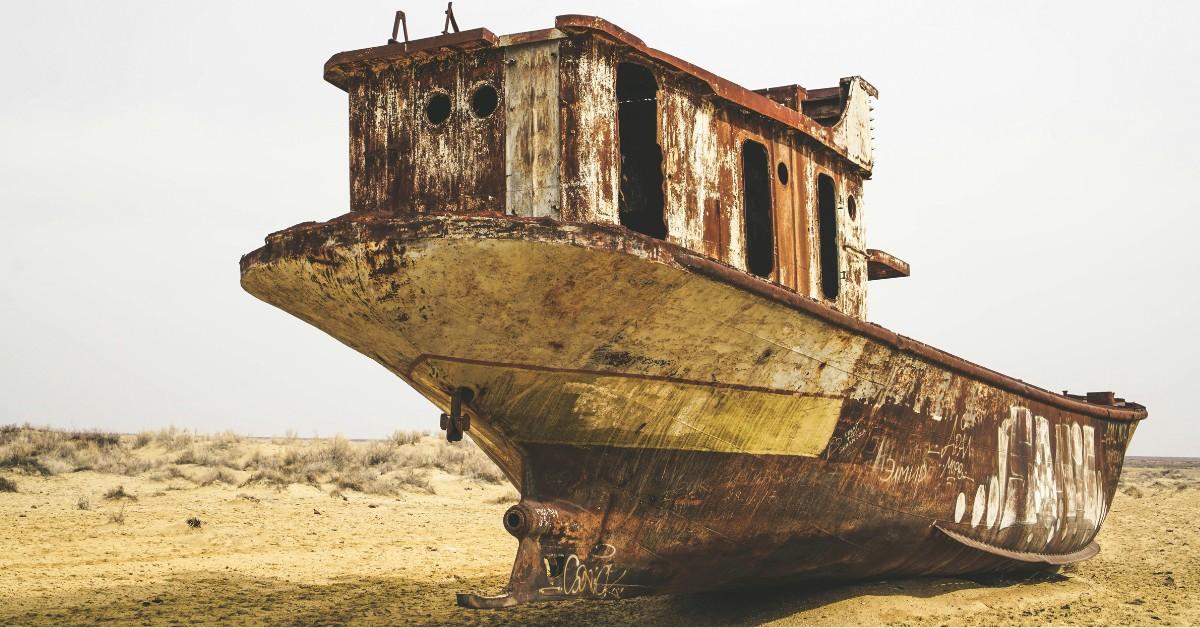
Can the Aral sea be restored?
Experts have tried to restore the Aral Sea over the years. In 2005, the region completed the Dike Kokaral dam in an effort to keep more water in the basin. As a result, the water levels rose 39 feet, and by 2013, Stephen M. Bland wrote that the salinity of the lake had dropped enough that fish were once again thriving.
And native fish, like ship sturgeon, Aral trout, northern pike, asp, carp, European perch, and so many more have returned to the formerly vast waterway, according to Wikipedia.
But that hasn't been enough to undo the damage that was done, and the region remains known as one of the worst environmental disasters to strike the planet, according to 2011's U.N. Secretary Ban Ki-moon.
As such, UNESCO has added the story of what happened to the Aral sea to the Memory of the World Register, in the hopes that future generations will be able to study what happened at the site of the once-robust lake.