
Was Mount Everest Once Underwater? Nearly 500 Million Years Ago, It Was Once the Seafloor
The summit of Mount Everest was once the seafloor.

Published Dec. 2 2025, 7:42 p.m. ET
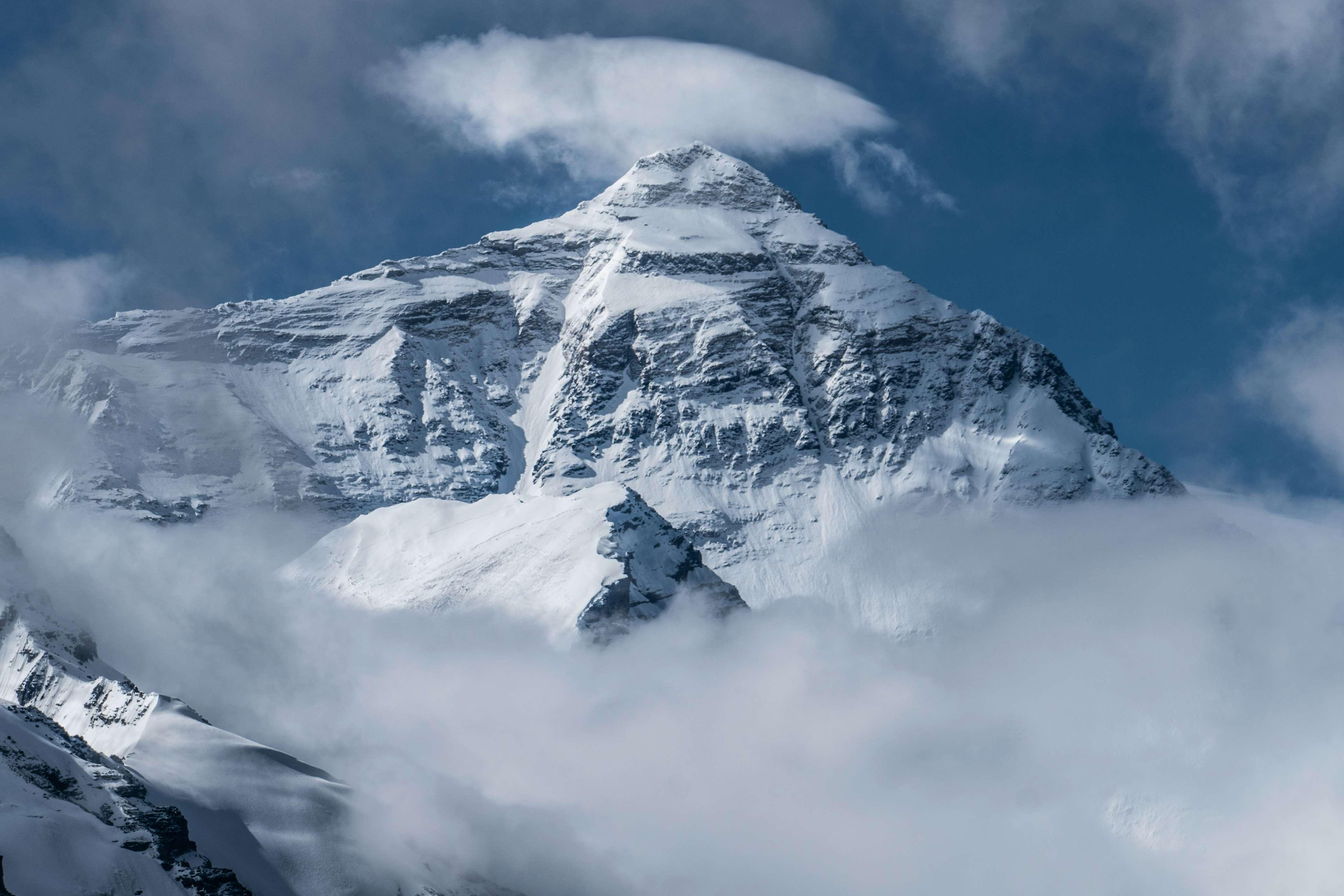
At more than 29,000 feet in elevation, Mount Everest is known for reaching considerably high up in the sky; in fact, it is Earth's highest mountain above sea level. The mountain, therefore, understandably attracts countless adventurers who possess varying levels of experience.
Would you believe, though, that this majestic and healing mountain was once completely underwater? Is it even fathomable that the mountain that resides highest above sea level on planet Earth was actually underwater?
Is there any truth to this claim that Mount Everest was once underwater? Are scientists in agreement that the peak of Mount Everest was once actually submerged below water? Could this possibly be true?
Below, we review the scientific evidence of what Mount Everest was like some 500 million years ago so that you can learn all about the history of this beautiful mountain. Continue reading to find out if Mount Everest was, indeed, ever completely submerged below water.
Was Mount Everest underwater?
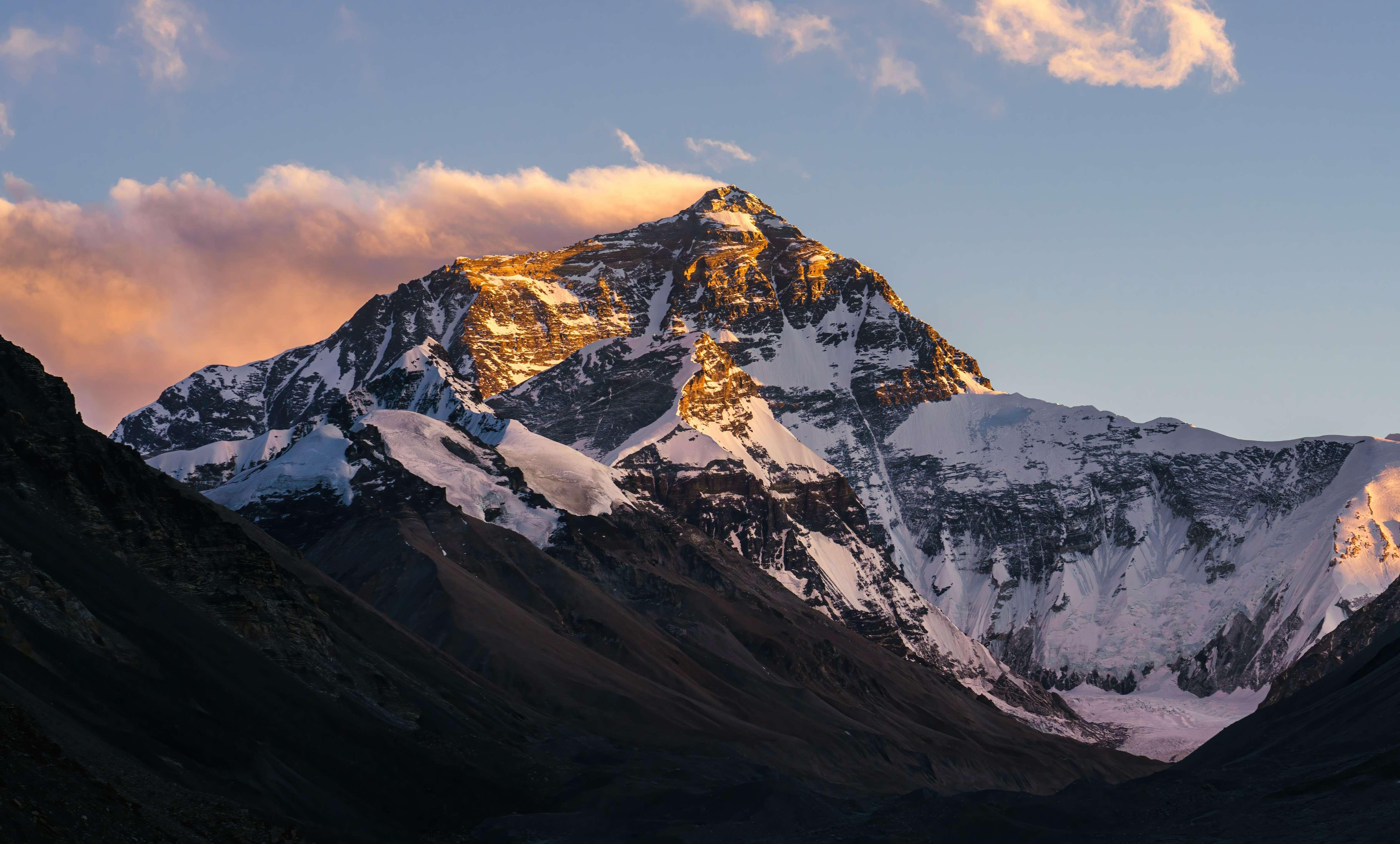
Yes, Mount Everest's summit once existed completely underwater. According to an educational page on the Montana State University website, "The summit of Mount Everest was actually the seafloor 470 million years ago. That's right, the rock that comprises the 'summit pyramid' or uppermost part of Mount Everest is gray limestone that was deposited on the northern continental shelf of northern India during the early to middle Ordovician Period of the Paleozoic Era."
The limestone summit rocks are dubbed "Qomolangma Limestone" by geologists, per the Montana State University resource, and made their way through the Earth thanks to the collision of India and Eurasia, as well as erosion of the Himalayas, and fault displacement.
According to Geology In, this is evidence of how transformationally powerful plate tectonics can be, such as "transform[ing] ancient seafloors into the highest points on Earth."
It is almost inconceivable that, according to Geology In, "Before the Himalayas existed, the region was covered by a shallow tropical sea known as the Tethys Ocean. This ocean once separated two ancient landmasses: India to the south, and Eurasia to the north. Between 500 and 200 million years ago, during the Paleozoic and Mesozoic eras, this ocean was teeming with marine life."
As sediment settled to the seafloor over a massive period of time, the sediments formed into rocks that make up the summit of Mount Everest as we know it today.
"Around 50 million years ago, during the Eocene Epoch, the Indian Plate began to collide with the Eurasian Plate. This collision set off the Himalayan orogeny—a mountain-building event that continues to this day," per Geology In.
One very important clarifying statement should be noted, however. If you're picturing the Tethys Ocean nearly 30,000 feet high and completely swallowing Mount Everest as we know it today, this is an inaccurate depiction.
"Was Everest ever underwater at its current height? No. The mountain did not exist yet. The summit rocks were formed on the sea floor, at or near sea level, and were only later uplifted," Geology In clarifies.