
What Happens if Mt. Everest Thaws Completely? Video Shows the Scary Aftermath of Climate Change
Published Aug. 11 2025, 1:00 p.m. ET

Two trekkers looking at the iceless peaks of Mt. Everest.
The heartbreaking effects of climate change threaten the health and well-being of living beings across the world, making it one of the urgent issues impacting the planet currently. It has also been destroying the landscapes and threatening ecosystems. For instance, a video clip from December 2022 highlights the dramatic consequences if Mount Everest were to completely thaw due to climate change and global warming. This well-known peak plays a major role in the region’s ecosystem, and climate change could trigger some of the most dangerous disasters in the nearby areas if not taken care of.
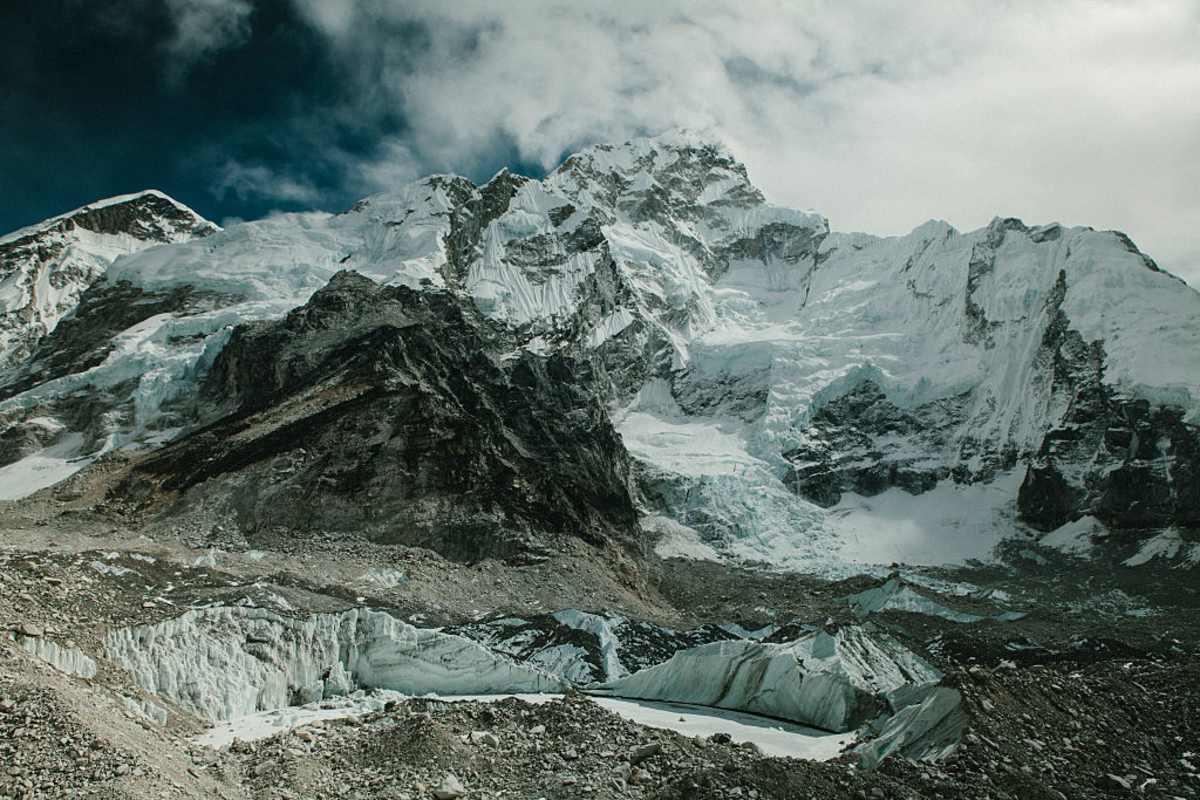
A representative image of Mount Everest.
Apart from being an exciting adventure for the mountaineers, Everest also helps the local communities in several important ways. One of them is that since it attracts thousands of trekkers and tourists each year, it gives an exciting opportunity to the local guides to earn income. The same is the case with hotel owners and local shopkeepers. On the other hand, glaciers located on Everest are the main source of fresh water supply to the rivers. This water is used for drinking, farming, and other everyday activities.
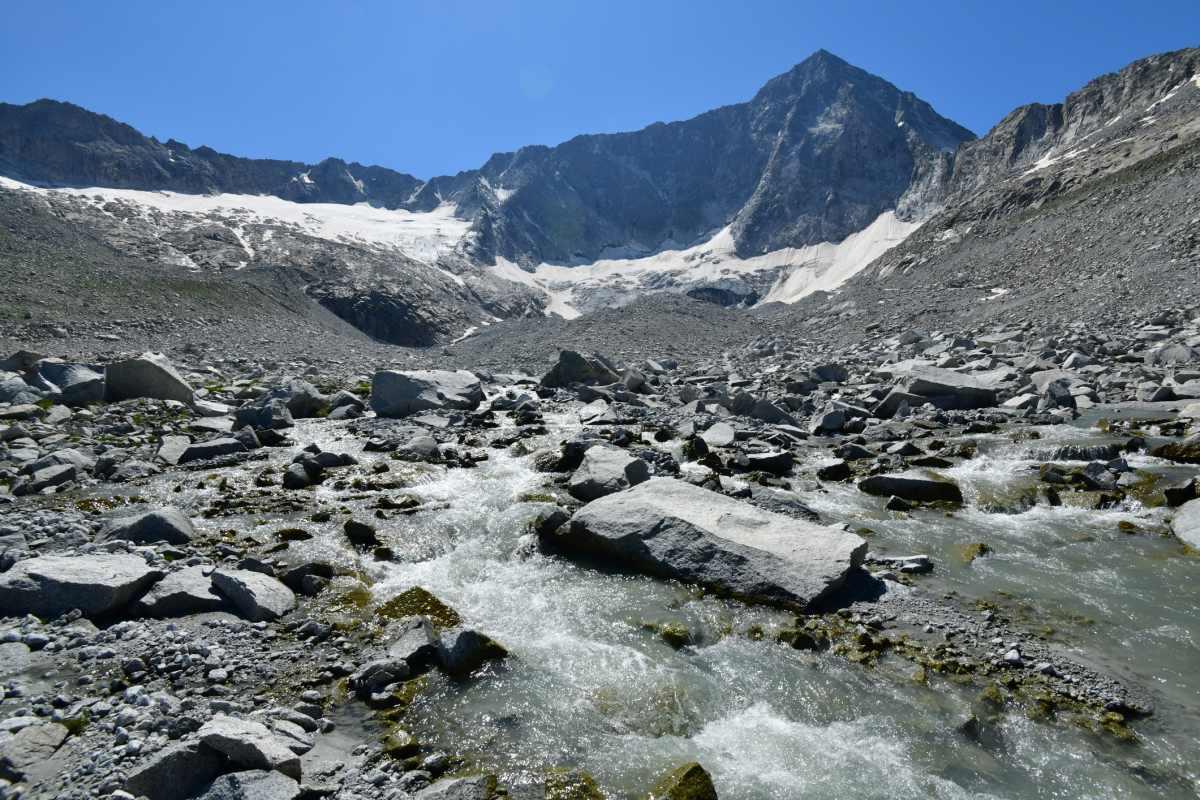
A representative image of a melting glacier.
Tenzing Chogyal Sherpa, a glaciologist, has also spoken about the importance of glaciers. He said, "It's very essential to keep the frozen parts of our world, that is, the glaciers, healthy because they are the water towers of the world." These glaciers act as the livelihood of billions of people who live in the nearby areas. However, with the rising global temperatures, the glaciers are also melting rapidly, increasing the danger of natural disasters for those living in nearby areas. Sherpa said, "We might have floods in the downstream."
As reported by BBC Earth, he added, "This meltwater could then accumulate to form glacial lakes. [It] can then outburst to form glacial lake outburst floods." A few such incidents have already occurred in Nepal and India. For instance, in August 2024, a devastating flood struck Thame, a village in Nepal. It occurred due to an outburst flood at the Thyanbo glacial lake, as reported by ICIMOD. It resulted in major destruction of infrastructure and loss of lives. Sherpa spoke about this tragic incident and said, "Millions of people in the mountains have contributed nothing to greenhouse gas emissions, but face the catastrophic impacts of these emissions with ever-increasing frequency and severity."
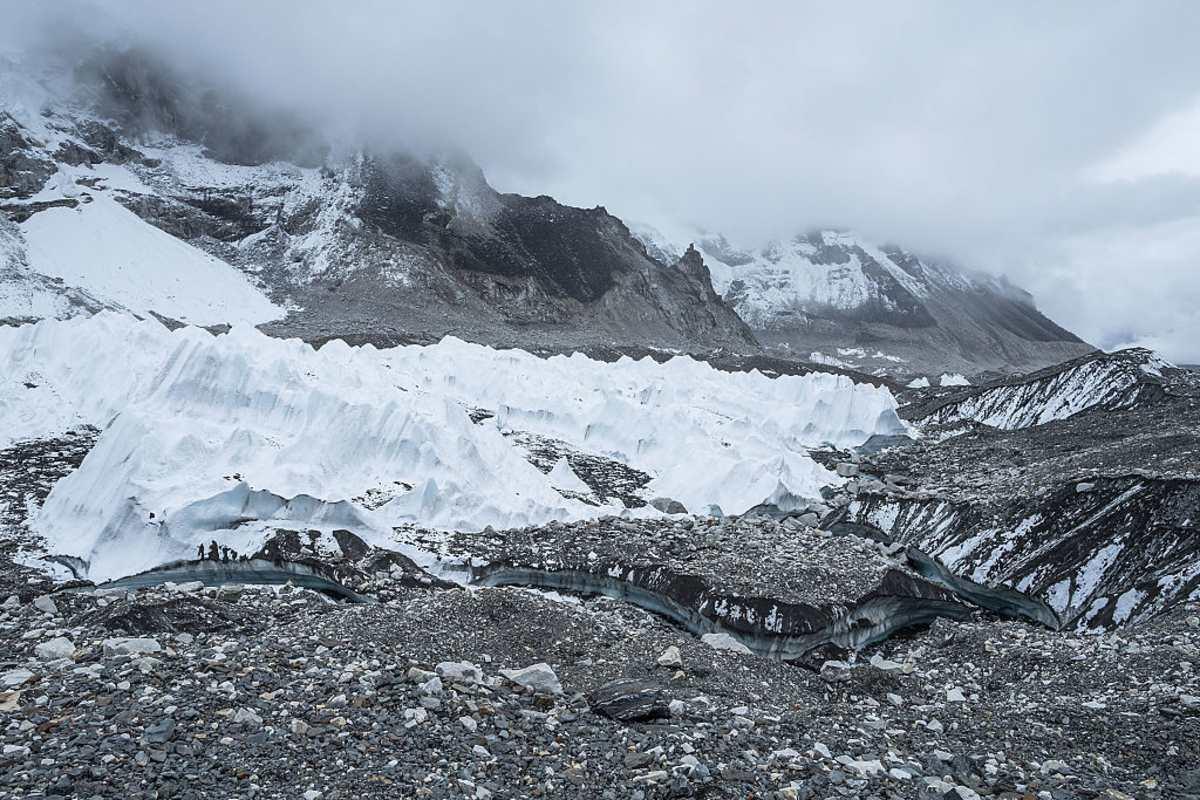
A representative image of Mount Everest.
Another expert, Dr Nima, also shared similar views and said, “Thame was a beautiful village, home to many generations of Sherpa people and their families. [These homes] now [lie] buried under debris. It’s sad to see how the mountain communities are paying the price of the global climate crisis." Meanwhile, as reported by the BBC, every decade since the 1980s has seen a rise in average temperatures. Moreover, in 2024, the planet experienced its highest temperatures ever recorded, largely due to the impacts of climate change.