
Redditors Discover Snow May Not Melt in the Microwave — Here’s the Fascinating Reason Why
"Microwave radiation will not 'melt' the ice by vibrating the crystal."

Published Feb. 6 2026, 9:36 a.m. ET

Snow falling to the ground can be mesmerizing for many. Inevitably, humans with too much time on their hands have included snow in science projects, manipulating snow in different ways to test various hypotheses. (Hey, anything beats shoveling snow for hours.)
In a recently made and fascinating Reddit post, one user asserted that microwaving snow does not lead to a puddle of water, as one might expect. Instead, the Reddit user declared, the snow retained its structure.
Some commenters, as you might imagine, called it a fib, while others offered scientific explanations for the phenomenon. Some resorted to AI for answers, while others sat back and enjoyed the weird and wonderful that is a Reddit comment section.
If you have never tried to microwave a snowball, and you live in an area where it is currently snowing, you may just want to try it and see for yourself. Otherwise, continue reading to learn more about this Redditor's observation.
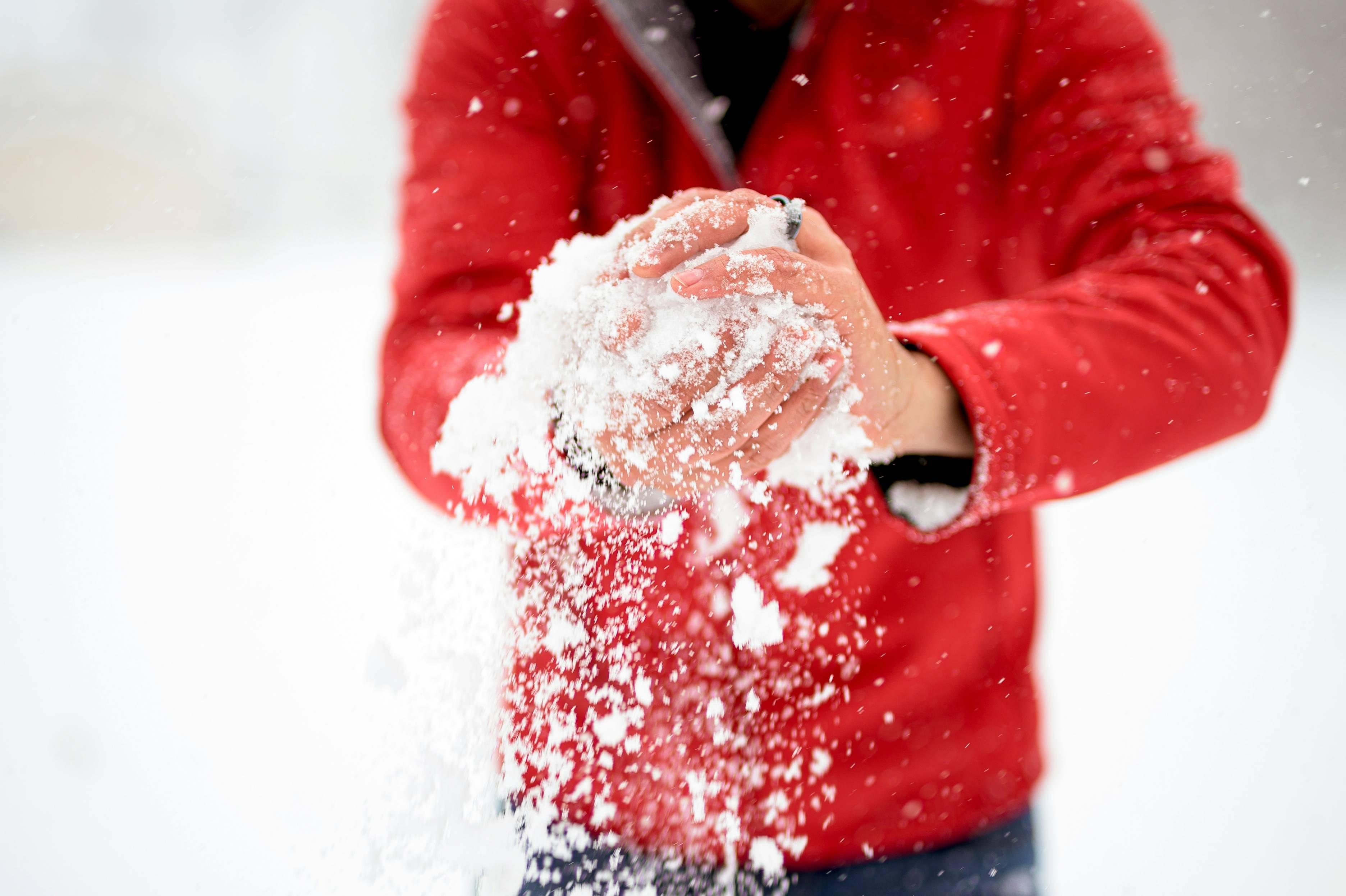
Does snow melt in the microwave?
According to a Reddit post by user BlueJaysMegafan, snow microwaved for a full minute does not melt.
"Heat is atoms moving. Microwaves [excite] the electric polarity of water in a back and forth motion. Snow is water in crystallized form and practically mostly air by way of volume, so even if microwaves are effective at making water molecules [oscillate] (move back and forth), they are not being absorbed effectively, and the heat is not spread as much," posits one of the top comments on the post.
Despite the scientific answers that some Reddit users gave, others believe the whole scenario to be a hoax, with the idea in mind that heating a frozen item in a microwave will soon liquify it. One user likened the phenomenon to heating ice cubes in a microwave, which further illustrated why the snowball failed to liquify.
"Try it with ice cubes. Same thing," reads one of the top comments. "The ice will eventually melt as some of the ice turns back to a liquid by ambient air temperature and it's this hot water that will melt the ice, but not the ice itself. I explain elsewhere in this thread. In other words, microwave radiation will not 'melt' the ice by vibrating the crystal. The water molecules are locked in a matrix and in the wrong configuration."
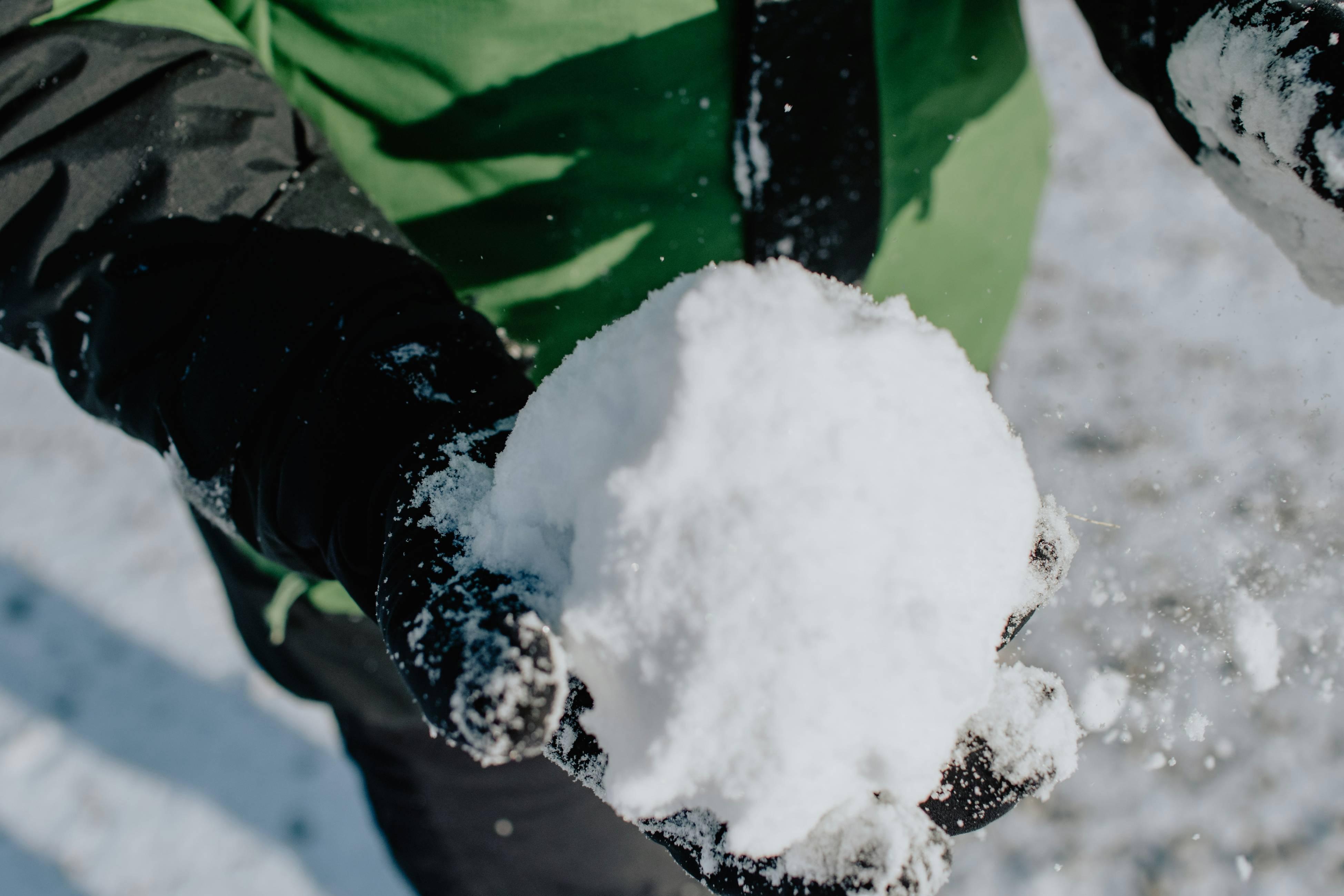
As USA TODAY notes, videos abound on the Internet of people trying to heat solid snowballs or blocks of snow without the expected result of the snow liquifying. Whether by way of microwaving or by holding a flame to a snowball, the snow seemingly does not melt.
In some cases, explains Almanac, this is due to the process known as sublimation, whereby "The snow is turning from a solid directly to a gas, bypassing the liquid watery stage."
You can try it yourself at home by placing a thick snowball or block of snow on a microwave safe plate and trying to heat it for up to a minute. You may find that the expected puddle of water on the plate doesn't exist, and the snowball did not liquify as you anticipated.