
Does Accutane Change Your Nose? The “Accutane Nose Job” Trend Explained
Many Accutane users believe the acne medication changes their nose shape, but dermatologists say there’s more to the trend.
Published May 15 2026, 1:44 p.m. ET

People online have recently started referring to an “Accutane nose job” after before-and-after photos appeared to show users with slimmer or more defined noses following treatment.
The viral trend has gained even more attention on TikTok and social media after celebrities like Kendall Jenner addressed speculation about whether Accutane changed their appearance.
While some users swear the medication made their nose smaller, dermatologists say the effect is more connected to inflammation and oil production than permanent facial changes.

The “Accutane nose job” trend is linked to reduced swelling and oil production.
During a recent podcast appearance, Kendall denied rumors that she secretly underwent rhinoplasty and instead credited Accutane for subtle facial changes. “I did Accutane for my acne,” she said on the In Your Dreams With Owen Thiele podcast. “There’s a theory on TikTok that Accutane shrinks your nose … and you guys, I swear to God, it’s true.”
According to dermatologists who spoke with SELF, isotretinoin can reduce oil production and inflammation, which may temporarily make the nose appear slimmer or more defined.
Experts stressed, however, that Accutane does not physically reshape bone or cartilage like cosmetic surgery. Instead, the “Accutane nose job” effect is largely considered an illusion caused by reduced puffiness, smoother skin texture, and less oil buildup.
Dermatologists also noted that many people begin Accutane during their teenage years, when facial features are still naturally changing with age. Because the medication is often used to treat severe cystic acne and oily skin, the reduction in swelling can make facial differences appear more dramatic in before-and-after photos shared online.

Side effects of Accutane in women can include dryness and skin sensitivity.
Like other forms of isotretinoin treatment, Accutane can cause several side effects during use. According to SELF and the Mayo Clinic, common side effects in women include dry skin, dry eyes, severely chapped lips, and increased skin sensitivity.
Doctors also warn that Accutane can cause serious birth defects if taken during pregnancy, which is why patients prescribed the medication must follow strict pregnancy prevention requirements while undergoing treatment.
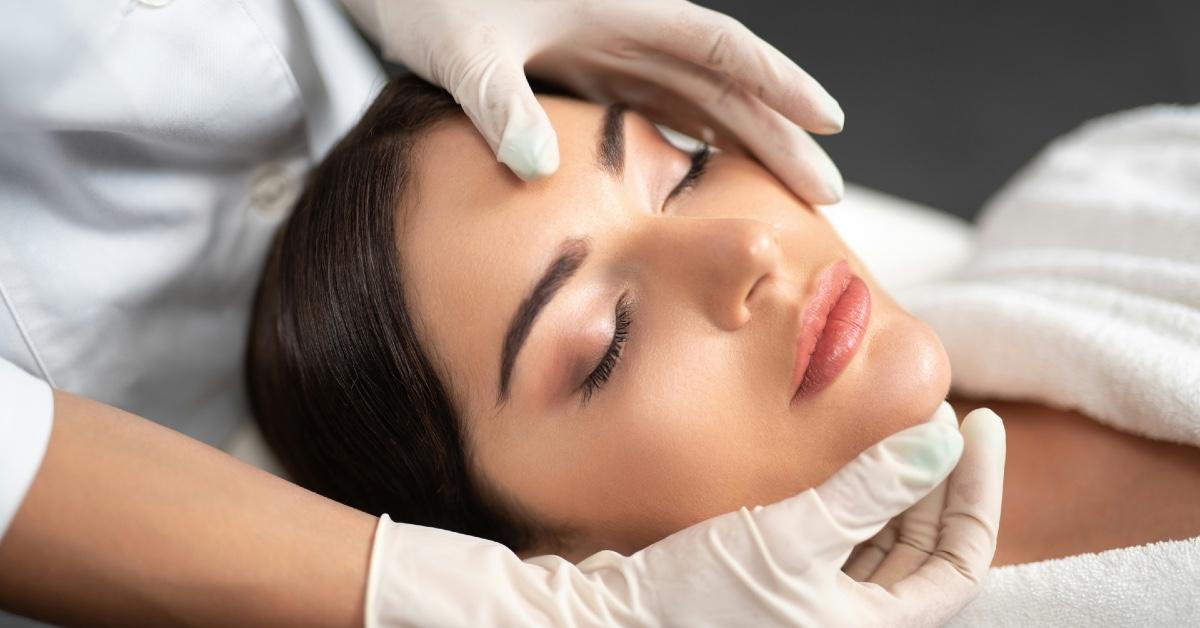
Other possible side effects can include headaches, joint pain, hair thinning, mood changes, and irritation as the skin adjusts to treatment. Dermatologists typically recommend close monitoring throughout treatment because reactions can vary depending on dosage and skin type.
Although the “Accutane nose job” trend continues circulating online, experts say the medication’s visible effects are primarily tied to reduced inflammation and clearer skin rather than permanent changes to facial structure.