
Google Wants To Release 32 Million Mosquitoes — Here's Why
The plan is called the Debug project.

Published June 12 2026, 1:28 p.m. ET

When you think of Google, you likely think of the tech giant's search engine. However, people may soon associate Google with something else entirely: Mosquitoes.
That's because the technology company has asked the U.S. Environmental Protection Agency (EPA) for permission to release millions of mosquitoes across two states. Google is looking to set the flying pests free in an attempt to eradicate the bugs, which can be more than just a backyard annoyance for millions.
In fact, mosquitoes are downright deadly in many areas of the world, and they are known to spread fatal diseases to millions each year.
However, this idea isn't a new one. In fact, it's been tried in several different environments, targeting a variety of pests (including the New World screwworm). So, why is Google releasing millions of mosquitoes in the U.S.? Keep reading to learn more about the plan and whether or not other similar attempts have been successful in the past.
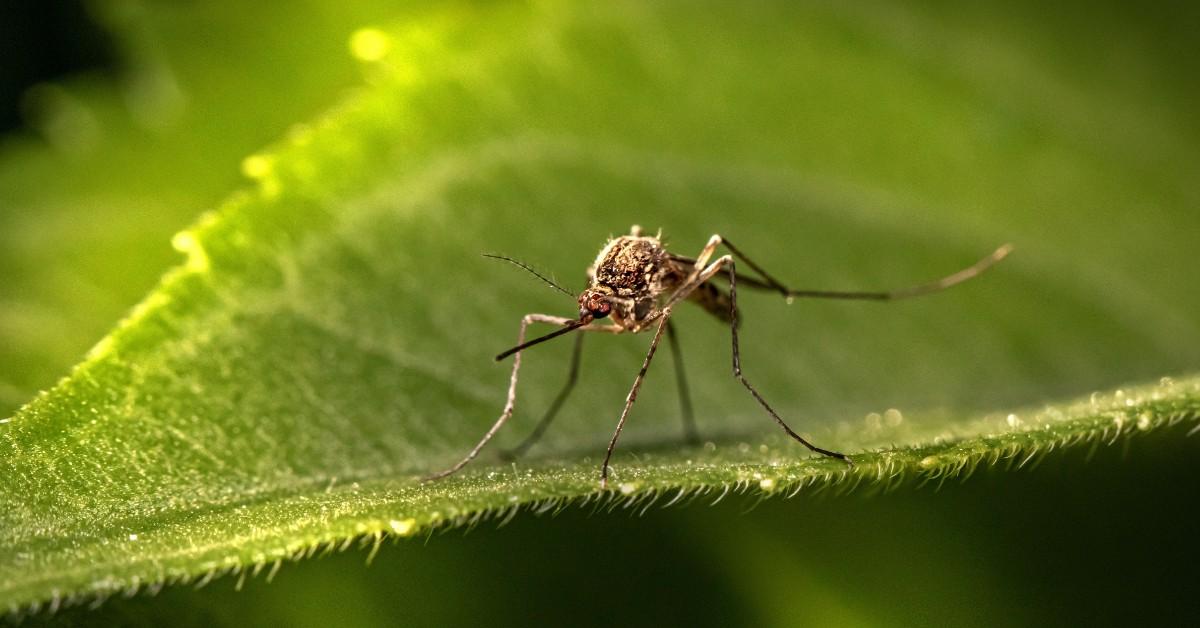
Why is Google releasing millions of mosquitoes?
The Smithsonian magazine says that Google is looking to release sterile male mosquitoes in California and Florida. According to the publication, the hope is that female mosquitoes will mate with these males, who have been infected with a natural bacteria called Wolbachia that causes sterilization.
These females will then fail to reproduce any offspring. That will eventually lead to lower mosquito populations, as each generation dies off without leaving a new generation to take their place.
Google is calling its plan Debug, and the program made a test run in California back in 2017. Google released another batch of mosquitoes in Singapore in 2018, where it had a great deal of success.
According to the company, there was an 80 to 90 percent suppression rate, which resulted in a "70 percent reduction in dengue incidents after 6 to 12 months of releases." Google is targeting the Aedes aegypti mosquito, which is not native to the U.S. and is not an essential part of the food chain.
Why is Google targeting mosquitoes?
Anyone who has ever been outside around dusk can tell you that mosquitoes can definitely ruin your backyard BBQ. However, in many parts of the world, they can do more than just that. In fact, in many parts of the world, mosquitoes are hated and feared.
The U.S. Centers for Disease Control and Prevention (CDC) calls mosquitoes the "world's deadliest animal" thanks to the number of deadly diseases they carry and transmit. Some examples include malaria, which caused 597,000 deaths in 2023 alone.
West Nile Virus is another good example, and each year 2,000 Americans get infected, and around 120 people die.
Lymphatic filariasis is a parasitic disease that is transmitted by mosquitoes, and it can cause disability and serious disfigurement upon infection. The CDC says an estimated 51 million people are infected with this mosquito-borne illness each year. Knowing just how far and wide mosquitoes can spread these diseases, it's no wonder Google is working to eradicate these bugs.