
Data Centers Are Popping up All Over the Country, Much to the Disappointment of Many People
The centers can be environmental nightmares.

Published June 3 2026, 5:23 p.m. ET

In May 2026, Gallup released a report on how Americans view Artificial Intelligence (AI) data centers. According to the findings, seven in 10 people surveyed were opposed to having data centers built in their area, with 48 percent reporting that they were "strongly opposed" to the idea.
Meanwhile, the number of folks who responded positively to these centers appeared to be on the low size, with just seven percent of those surveyed saying that they were "strongly in favor" of the idea.
It seems fairly obvious from the research that people largely oppose the idea of data centers being built in their neighborhoods. However, that news seems at odds with the number of people who are actively using AI in their everyday life. You can't scroll social media without seeing AI art posted online, and so many organizations are now turning to AI to create everything from website graphics to event flyers.
Keep reading to find out why people are so against these AI data centers.
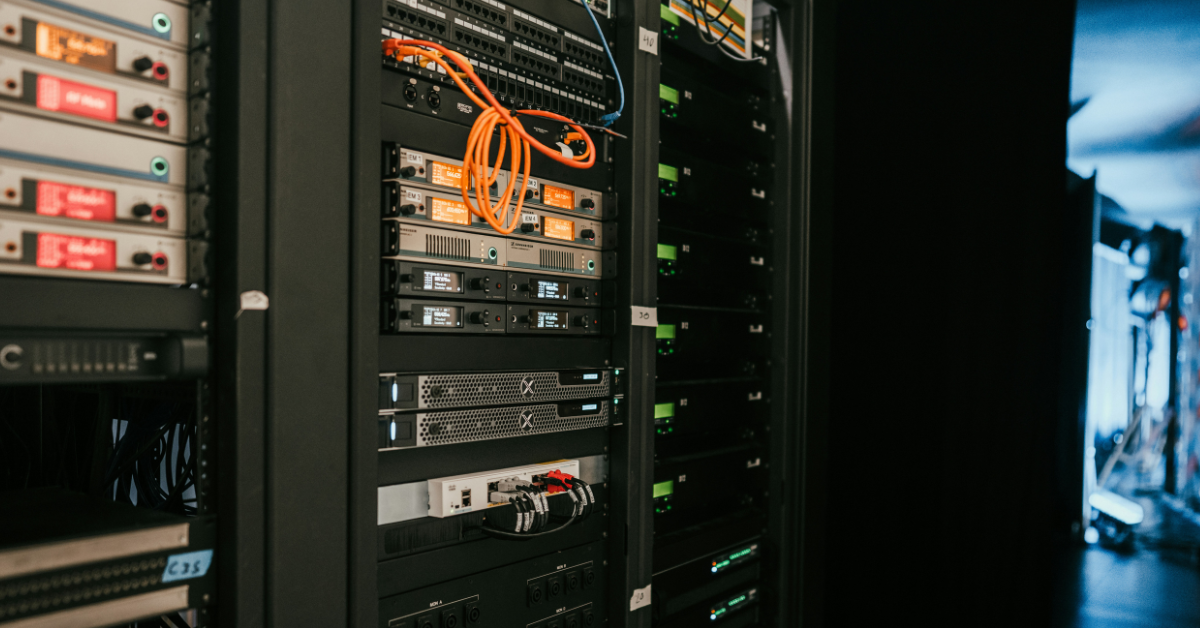
Why are people against data centers?
The Harvard Gazette ran a story on data centers in April 2026, noting that there were more than 4,000 data centers in operation around the country as of the time of publication. That news is probably distressing to those who oppose data centers due to the strain they put on community members, local infrastructure, and even the environment.
Some of these data centers take up tens of thousands of square feet (with one in Ann Arbor that will reach a proposed 2 million square feet).
Not only are they taking up land that could otherwise operate as preserved space or room for housing, but they are also known for using a substantial amount of electricity, with The Harvard Gazette saying that some predictions state that these data centers will eventually account for between 10 and 15 percent of the country's electrical use.
Meanwhile, a report from the Environmental and Energy Study Institute says that large data centers can consume up to 5 million gallons of water a day.
The required energy and water consumption then puts a strain on residents and businesses in the area, raising rates and in some instances, causing increased pollution.
Plus, their use of finite resources (like water) poses a sustainability threat, since the increased development and expansion of these data centers can threaten the country's drinkable water supply, potentially creating prolonged issues for communities without sustained access to clean water.
How can you fight data centers in your neighborhood?
As these data centers become more pervasive, many communities are looking for ways to fight back. The Food & Water Watch has created a three-point plan for preventing data centers in your neighborhood, with steps like:
- Figuring out how to use your voice
- Sharing the news with your community
- Applying pressure to the decision makers in your neighborhood
While some communities have been successful in fighting back against these centers, others sadly have not.