
Sharks in the Bahamas Are Testing Positive for Cocaine — Here's Why
No, this isn't the plot to a new sci-fi movie.

Published March 24 2026, 5:35 p.m. ET

Humans are becoming increasingly aware of how their activities affect the wildlife around them. And while many people understand how broader-picture issues like fossil fuel use can really fan the flames of climate change, we can sometimes lose sight of how other things we do can harm wildlife.
Take, for example, the research coming out of the Bahamas, where a sampling of sharks tested positive for cocaine, caffeine, and other human pollutants.
The study went on to use this as an example of why it's so important to realize that even invisible pollutants are having a major impact on wildlife, especially when it comes to the marine life that appears to live in otherwise clear and well-maintained waterways.
Not only to help protect the ecosystem where these animals live, but also to prevent any additional issues that could arise, like damaging the local economy of the areas that rely on tourist dollars to survive.
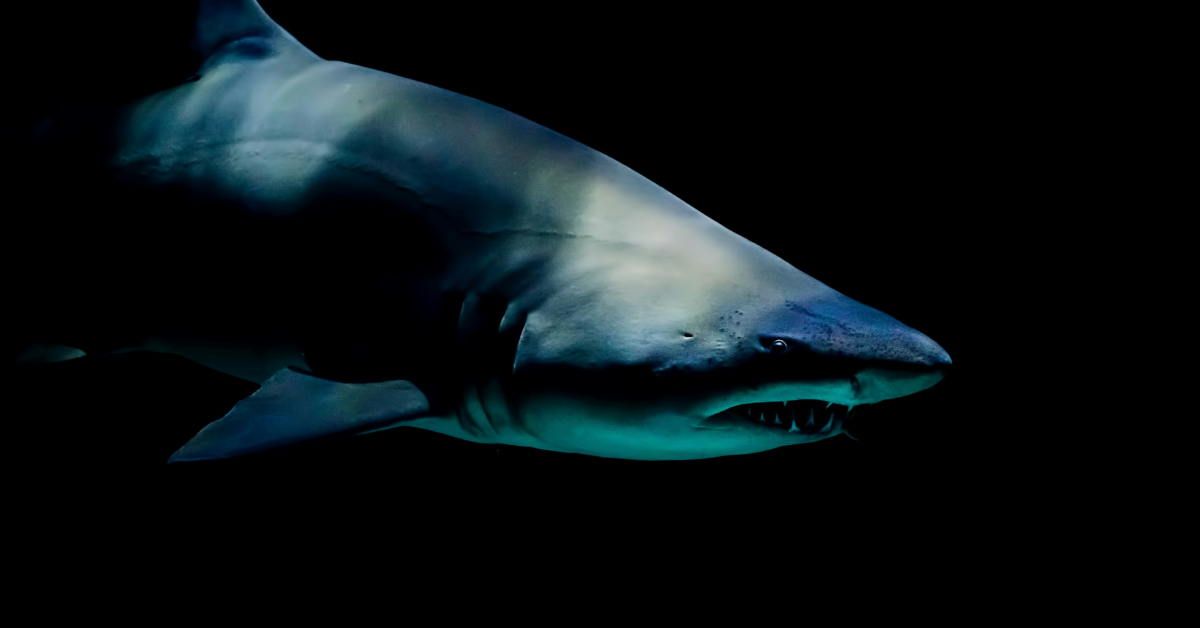
Sharks test positive for cocaine and other human pollutants.
A study was published in the May 2026 edition of the Environmental Pollution journal, which showed how researchers analyzed blood samples from 85 sharks belonging to five different species. The sharks that were tested were found near the very remote Eleuthera Island, which is in the Bahamas.
Researchers were stunned when the results came back showing that a third of the sharks had tested positive for human drugs and chemicals, which included one shark that had cocaine in their system.
The other sharks tested positive for a variety of different items, which included things like acetaminophen, diclofenac, and caffeine. Researchers believe that their findings highlight how big an impact human pollutants have on marine life.
"This represents the first report concerning CECs and potentially associated physiological responses in sharks from the Bahamas, pointing to the urgent need to address marine pollution in ecosystems often perceived as pristine," the study said.
But, it's not just the presence of these pollutants that alarmed researchers, but also the effects the drugs can have on them as well.
According to People magazine, diclofenac has been known to cause renal impairment (which means kidney damage), while caffeine and cocaine can cause issues like lactate accumulation, hyperglycemia, and can even wreak havoc on the way animals metabolize lipids.
How are sharks getting access to cocaine?
When it comes to the "how" of this report, researchers say that the sharks are likely accessing the cocaine and pollutants in an unimaginable way: Through human pee.
The researchers told Science News that they believe vacationers are peeing in the water and dumping their sewage and trash there, which is how these things are getting introduced to the region. Hopefully, this new information will prompt people to be a bit more thoughtful about how they behave in and near the ocean.
Otherwise, researchers say there could be concerning issues facing the region in the long-term, especially as the local waterways become more polluted by the humans who are flocking to the region to live and vacation.