
Chikungunya Virus Prompts Travel Warnings for Popular Travel Destination
The CDC has issued a Level 2 Travel Advisory.

Published Feb. 16 2026, 12:11 p.m. ET

Few things can ruin a day at the beach more than unwanted pests. Unfortunately for visitors and residents of a popular resort town, the unwanted pests in question may actually be carrying an aggressive disease that is causing a massive viral outbreak in the region. As such, the government has issued a Level 2 Travel Advisory, warning tourists to take additional cautions when visiting the area.
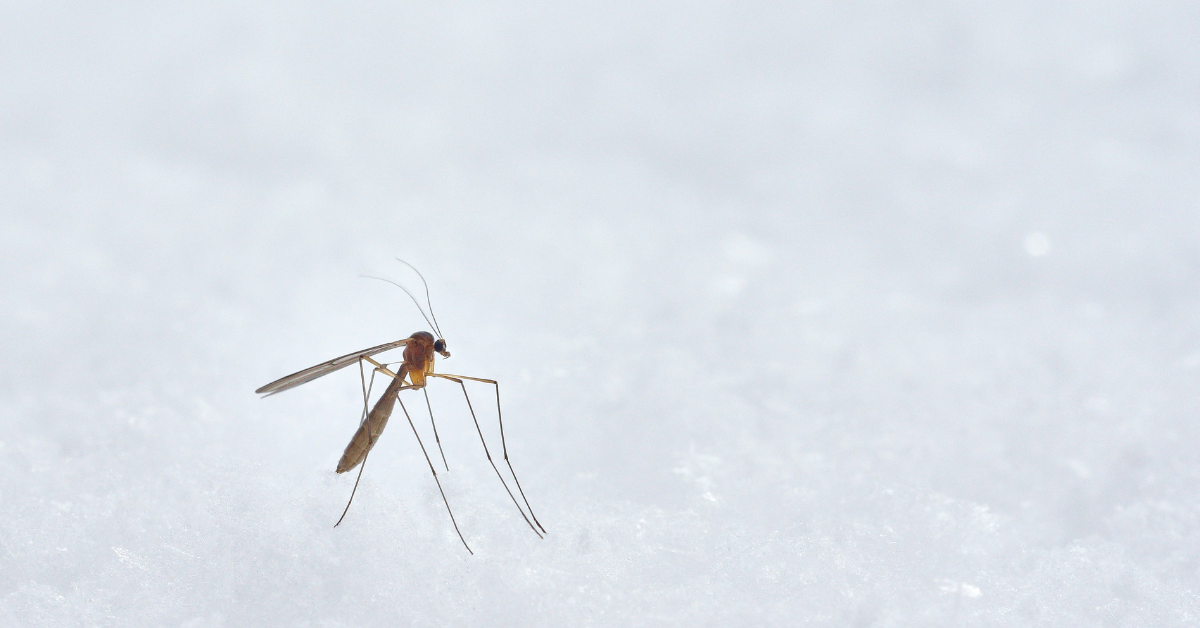
What is the illness in question? A mosquito-borne virus known as chikungunya.
Those who become infected with the virus could become pretty sick, which is why it's so important to heed the warnings set forth by both local and U.S. officials.
Want to learn more about the mosquito virus outbreak in Seychelles, and the nasty symptoms that those who get infected could experience? Keep reading to learn more, including exactly which popular resort areas seem to be hardest hit by the latest outbreak that comes in a long line of global outbreaks of the illness.

Seychelles is experiencing a mosquito virus outbreak.
According to the U.S. Centers for Disease Control and Prevention (CDC), the East African area of Seychelles is experiencing an outbreak of the chikungunya virus, which causes chikungunya disease. As a result, the CDC has issued a Level 2 Travel Advisory, telling people who are headed to the area to protect themselves against mosquito bites as best they can.
- Some of the suggestions from the CDC include:
- Using bug repellent
- Covering your exposed skin by wearing long-sleeved shirts and long pants
- Sleeping and staying in areas that rely on air conditioning for cooling purposes instead of using open windows or screens for airflow
- Getting vaccinated against the illness
The CDC further suggests that pregnant travelers reconsider heading the region, especially those who are close to delivery since the virus can be passed from pregnant people to their newborn babies during delivery. Newborns are at an especially high risk of developing severe illnesses, and their long-term outcomes are poor.
What are the symptoms of chikungunya?
The chikungunya virus causes a range of symptoms, according to the CDC. They can include joint pain and fever, and they typically begin withing five to seven days of exposure. Some people can experience different symptoms, like joint swelling, rash, muscle pain, and headache, but all symptoms tend to resolve within a week.
However severe cases can cause long-lasting issues, including intense joint pain that can last for months, if not years, highlighting why it's important to protect yourself.
Then there are those populations that are at a higher risk of contracting more severe illnesses, and they include those over the age of 65, people with existing conditions like heart disease and diabetes, and newborns.
While complications from chikungunya can arise, death is very rare. That being said, there are no known treatments for the illness, and the potential for long-term symptoms does make it important to avoid contracting the virus whenever possible.
If you're thinking of traveling to Seychelles and have concerns about your risks, reach out to your doctor directly to get more information and to see if it's safe for you to travel to the region.