
A Case of New World Screwworm Has Been Detected in the U.S. Here’s What That Means
The USDA is telling people in the area to check their pets and livestock for signs of infestation.

Published June 5 2026, 8:58 a.m. ET

Reports of the potential for a New World screwworm (NWS) outbreak happening in the U.S. have been circulating since 2023, when the U.S. Centers for Disease Control and Prevention (CDC) confirmed that an outbreak was moving through parts of Central America and Mexico.
Since then, government agencies have worked to eliminate the threat, both at home and abroad, by deploying different methods to contain and kill these flies that lay their eggs in the flesh of animals (and in rare cases, humans).
And while it seemed like they may be successful, a June 2026 report from the U.S. Department of Agriculture's (USDA) Animal and Plant Health Inspection Service (APHIS) has confirmed a case of New World screwworm in Zavala County, Texas, prompting swift action from both local and federal agencies.
You can find out more about the flesh-eating fly and what authorities are saying about the Texas case below, including what to be on the lookout for when it comes to the NWS.
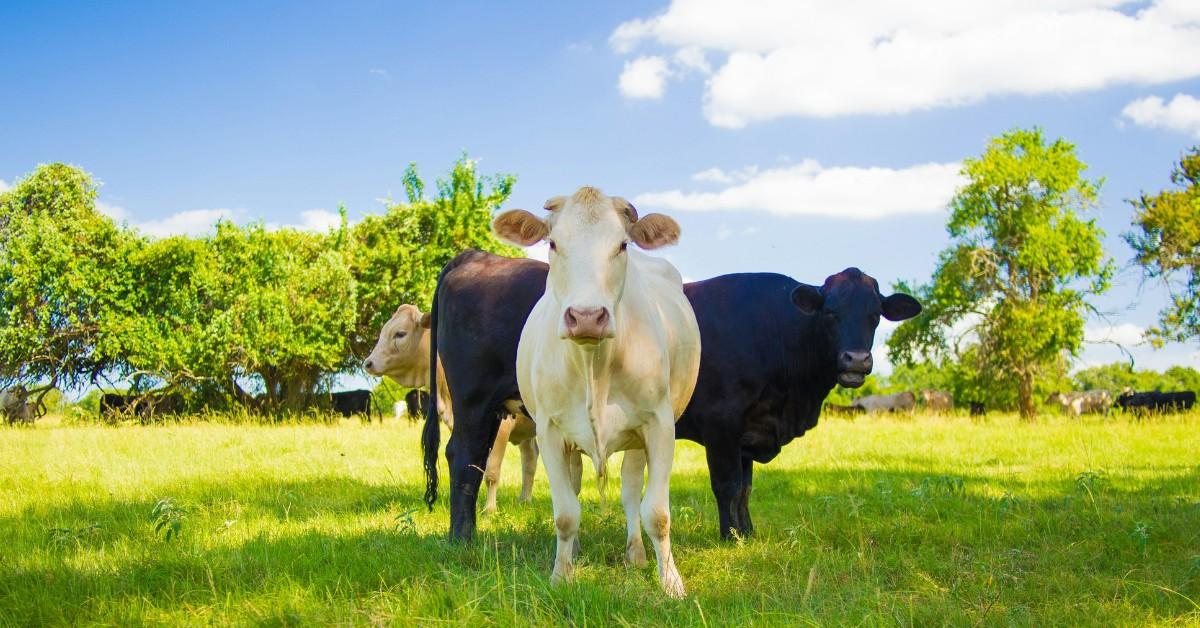
New World screwworm found in Texas.
On June 3, 2026, the USDA released an alert from the APHIS, stating that NWS had been detected in a cow in Texas. According to the press release, the calf was just 3-weeks-old, and inspectors found larvae in the animal's umbilical cord.
While this is the only case to be reported as of the time of publication, the USDA and Texas officials have jumped into action, and they are taking proactive steps to ensure no other animals are impacted, which includes setting up a robust quarantine zone.
Additionally, the USDA will continue to release 4 million sterile NWS flies a week in the region around where the larvae was found. The agency will continue to use targeted outreach, surveillance, and trapping tactics as well.
The USDA reiterated to citizens that the U.S. food supply is safe, and while the NWS can affect cattle populations, food sources like fruits, vegetables, and processed meats aren't at risk because NWS are not known to infest these kinds of products.
What are signs of a NWS infestation?
If you're terrified of the idea of a NWS infestation, you're not alone. But, while the USDA is taking this matter seriously, the agency has reiterated several times that human cases are extremely rare. That being said, the agency is directing people who live in the area to check themselves for signs of an infestation. In humans, this may look like a weird lesion on your skin where you already had an open wound or injury.
Additionally, the CDC says that NWS can infest other parts of the body.
This includes the eyes, nose, ears, or mouth. If you feel maggots (larvae) moving around or see them in these areas, you should seek medical attention at once. If you suspect that your pet may have been affected, you should seek veterinary care immediately.
The CDC says that confirmed cases of NWS in pets will be shared with the APHIS office and state animal health officials in order to help with documenting and stopping the spread of the infestation.