
Class Action Law Suit Alleges That David Protein Bar Have Misleading Nutrition Facts
At the center of the confusion? Esterified propoxylated glycerol (EPG) protein.

Published March 13 2026, 2:05 p.m. ET

Hitting your daily protein intake has been associated with several health benefits, including growing muscle mass. According to health experts like those at the Mayo Clinic, your daily protein intake should account for between 10 and 35 percent of your calories.
Of course, those numbers can vary, depending on certain lifestyle factors (like how much you're working out) and age (older people need more protein), which means that protein isn't a one-size-fits-all nutrition concept.
However, eating a diet high in protein has become popular over the years, and many people are becoming more aware of how much protein they consume each day, even opting to reach for foods and snacks that are rich in the nutrient. But when it comes to protein bars, not all options are created equal.
Take, for example, David Protein Bars. The company is facing a class action lawsuit over what customers say are deceptive claims on the bar's labels. Here's what we know.
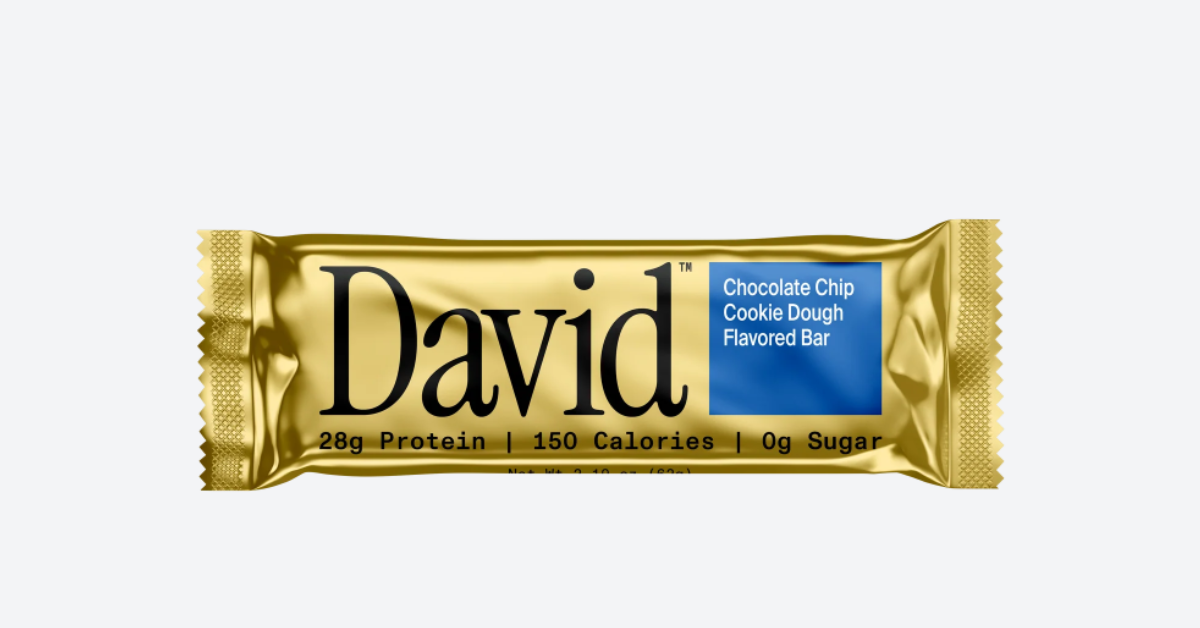
David Protein bars being sued over nutrition labels.
A popular protein bar is at the center of a legal controversy, according to NBC News, which says that the company is being sued over what customers are calling "unlawful and deceptive practices in labeling and marketing."
The issue? People say that David Protein bars have added more calories and fat to the product than what they disclose on the label, leading customers to believe they are getting more calories than they bargained for while trying to increase their protein intake.
The suit alleges that the bars were tested in an independent laboratory, which found that there were up to 83 percent more calories (and a shocking 400 percent more fat) than what was noted on the bar's nutrition label.
However, the company is pushing back on the claims, saying that the testing was flawed. The company further claimed that there is "confusion" over just how calories are measured and represented on the nutrition labels.
The company shared a statement in a since-expired Instagram Story, saying that there's a difference between how the human body burns calories and uses them for energy, vs. how devices calculate the heat released by calories in a device known as a bomb calorimeter.
"Burning them in a bomb calorimeter treats them as fully digestible calories, even though they are not," the statement said. "That's why the FDA requires different calculation methods for those ingredients when determining calories."
What is EPG protein?
At the center of the confusion? Esterified propoxylated glycerol (EPG) protein, which is the type of protein found in the David Protein Bars. According to NBC News, this ingredient is a modified plant-based fat substitute that can be processed through the body without being digested.
It's part of what David Protein Bars says allows them to keep the calorie count low, since it provides the taste you'd get with a traditional fat without adding the extra calories to the protein bar.
Who owns David Protein bars?
In the wake of the class action lawsuit, it seems that the bar's owners are gathering a legal team together to make sense of what is going on.
David Protein Bars was founded in September 2024 by Peter Rahal and Zach Ranen, according to Vanity Fair. The duo has built the company into a $725 million business in those years, selling a product that people all over reach for when they are looking for a quick (and tasty) way to up their protein intake on the go.