
32 Countries Named in Travel Advisory Due to a Spike in Polio Cases
The countries include popular destinations like Germany, Spain, and more.

Published March 9 2026, 9:48 a.m. ET

International travelers are facing fresh warnings after the U.S. Centers for Disease Control and Prevention (CDC) issued a travel alert for 32 different countries. The reason? A spike in cases of the poliovirus, known as polio.
The potentially paralyzing disease was once a major concern around the world, but the availability of modern treatments and prevention methods (namely vaccines) made polio a disease of the past in many parts of the developed world.
However, the rise in anti-science sentiments, like the anti-vaccination movement, have caused some once forgotten diseases to once again pose a global threat.
As such, the U.S. government is warning travelers about a rise in cases around the world so that visitors know to take extra precautions when traveling to places that are seeing an increase in cases, not only to protect themselves, but to also protect the people back home when they return. You can learn more about the alerts below.
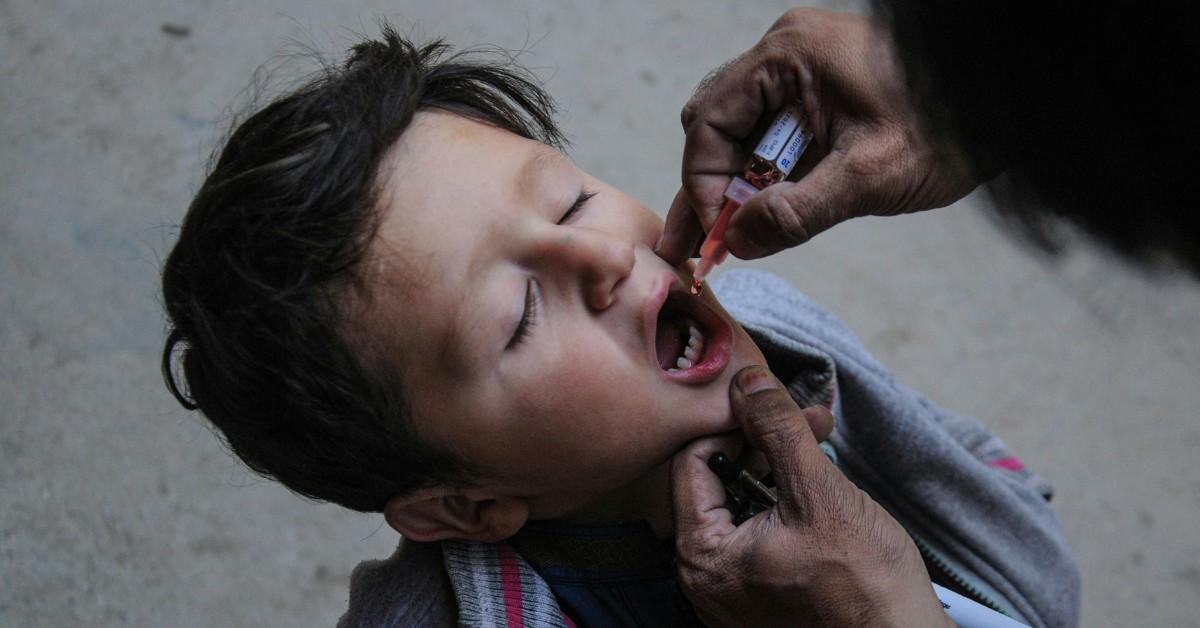
The CDC has issued a travel advisory for 32 countries over polio concerns.
The CDC has issued a warning under its Travelers' Health department, letting people know that there's been an increase in polio cases around the world. According to the statement, the CDC has issued a Level 2 alert, which means that U.S. residents should practice enhanced precautions when traveling.
The countries included in the alert include but aren't limited to:
- Afghanistan
- Burkina Faso
- Central African Republic
- Finland
- Germany
- Israel
- Pakistan
- Senegal
- Somalia
- Spain
- United Kingdom
- Zimbabwe
You can find a full list of the countries by visiting the CDC's website.
Those traveling to these regions are being instructed to take additional precautions, like ensuring that adults and children are up to date on routine polio vaccinations. Additionally, adults are being instructed to get a booster if they haven't received an adult polio booster. While there, the CDC recommends practicing good hygiene, like thorough handwashing after using the bathroom and before eating.
In certain areas, people can also be infected if they consume food or water that contains feces from an infected person, since the disease is spread easily through fecal matter. In areas where there isn't access to fresh food and water, or food and water that is known to be safe, it's advised to bring your own or to only use packaged items that haven't had a chance to become contaminated.
That means it's important to research the area where you're traveling before you go so you can prepare.
What are the symptoms of polio?
While some people who become infected with polio don't experience any symptoms, the Mayo Clinic says that about five percent of people will have mild symptoms of abortive polio, which produces flu-like symptoms. One percent of people will get a severe version called nonparalytic polio, and the flu-like symptoms will also include severe headache, neck pain, and aches.
Then there's paralytic polio, which causes intense pain and can eventually lead to muscle weakness and paralysis.
Lastly, there are those who will develop post-poli syndrome after infection, which can come with another barrage of symptoms that can begin decades after illness, and cause longer-lasting issues like muscle wasting and swallowing problems.