
CDC Announces Discontinuation of Testing for 31 Diseases, Including Rabies
The agency says the tests will be "offline" moving forward.

Published April 3 2026, 2:35 p.m. ET

The U.S. Centers for Disease Control and Prevention (CDC) is pulling back on some of its testing, which the agency shared in an announcement on its website. The work was previously being done at the CDC's Infectious Diseases (ID) Laboratories, State Public Health Laboratories (SPHLs), and other federal agencies. However, the CDC says that it will be discontinuing and pausing a number of the testing services the agency offers beginning Mar. 30, 2026, with new tests being added periodically.
As of April 3, 2026, the CDC has added a number of different tests to its list, which amounts to around 31 tests that the agency says will be "offline" moving forward.
You can find out which tests are no longer being checked through the CDC's laboratories below, and learn why the CDC made the decision to pause rabies testing in the first place.
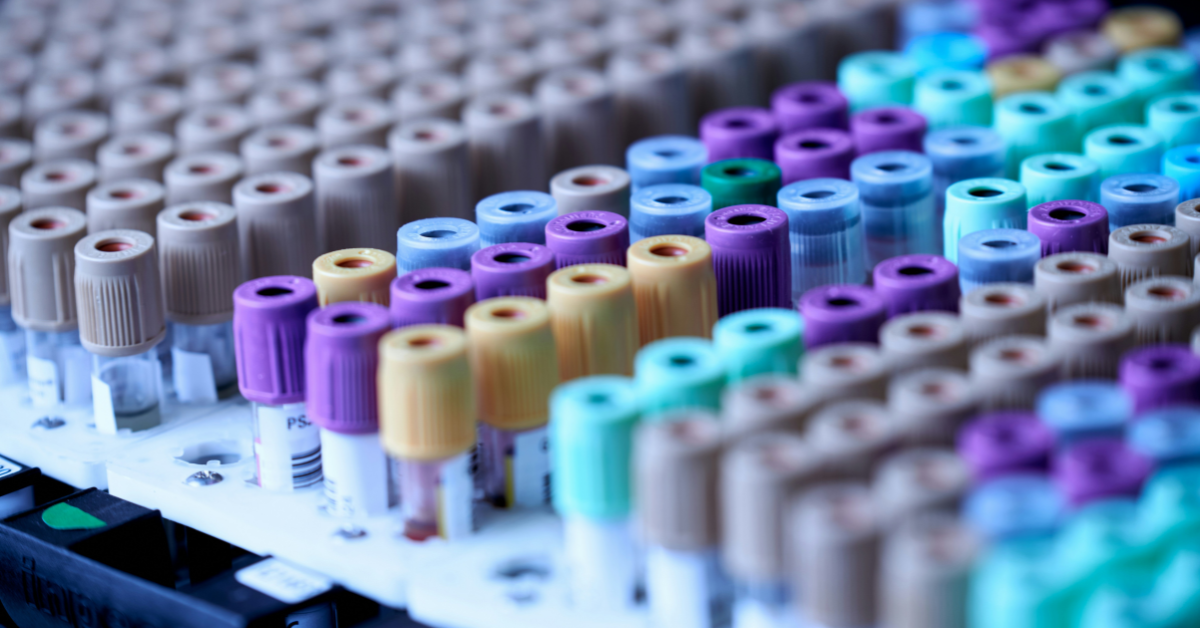
The CDC is pausing testing for rabies and other infectious diseases.
The April update of the list of tests that are currently offline has grown to 31, according to the agency's website. The list includes, but is not limited to, testing for:
- Parasites: Morphologic Identification- Clinical Laboratory Improvement Amendments (CLIA)
- Measles Avidity- Non-CLIA
- Epstein-Barr Virus (EBV) Detection- Non-CLIA
- Human Herpesvirus 6 Detection and Subtyping- Non-CLIA
- Rabies Antemortem Human Testing- CLIA
- Respiratory Panel (SARS-2, Influenza A/B)- Non-CLIA
While the CDC may no longer be running tests for these infectious diseases, its website does note that there are other options for testing, including commercial options for agencies in need of access to diagnostic screenings.
This news comes after Health and Human Services Secretary Robert F. Kennedy has made several other changes to our country's top medical and healthcare agencies, changing policies and altering vaccine schedules, often against the advice of medical professionals.
How is rabies testing done?
According to the CDC, testing for rabies can only be done in animals after they are dead, since it requires testing a complete cross-section of brain stem and cerebellum tissue. The sample must be sent to a certified lab that is qualified to do the testing, and the test results are then reported to the CDC and the state health departments where the animal was found.
Testing for rabies in humans is a little different, and it requires multiple rounds of testing of different fluids and samples.
These include things like serum, cerebrospinal fluid, saliva, and nuchal skin biopsies. However, if the person who is being tested is already dead, the lab will complete the same time of brainstem testing that it does on deceased animals as well.

What are the symptoms of rabies?
Once a person or animal is showing symptoms of rabies, their case is almost always fatal. That's why the Mayo Clinic says that anyone who has come into contact with an animal who might be infected with rabies should immediately contact their doctor so that they can receive a rabies vaccination.
Human symptoms can vary in severity, and often start with flu-like characteristics. However, as the virus progresses, people can experience a wide range of other symptoms, including but not limited to:
- Headache and fever
- Nausea, vomiting, and difficulty swallowing
- Agitation, anxiety, and confusion
- Partial paralysis
- Fear of water
If you're worried about possible exposure to rabies, you should contact your doctor right away to find out what your next steps should be.