
Do Squatters Really Have Rights to a Property They Don’t Own? The Answer May Shock You
These folks are protected under adverse possession laws.

Published May 12 2026, 3:21 p.m. ET

Most folks think of people hard at work at the gym when they hear the word "squatters." And while it can be used to describe impressive bodybuilders who are looking to get their legs and backside looking their best, it's also a word that can strike fear into the hearts of landlords and commercial housing owners.
That's because "squatters" is also used to describe people who will take up residence in vacant places or else overstay their welcome in rental properties, forcing legal action.
However, legislation has protected some of these people from being evicted from the places where they are squatting, and these rules are often known as squatters' rights. When it comes to why squatters have rights in the first place, it boils down to a series of rules known as adverse possession laws.
Want to learn more about them? Keep reading as we explain the rules, why they exist in the first place, and how you can get someone who doesn't belong out of your property.
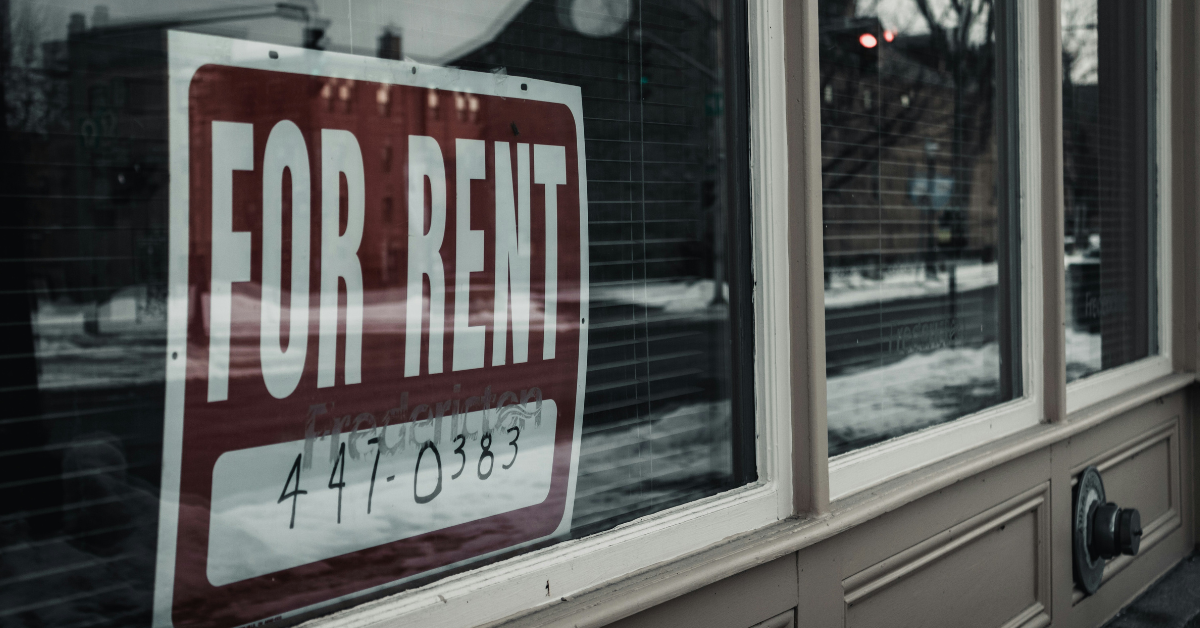
Why are squatters' rights at thing?
According to the American Apartment Owners Association (AAOA), squatters' rights allow someone to stake a claim on your property when they meet some very specific conditions.
And while these rules vary from state to state, most of these rules include extended occupation (which means they have been staying on the property for years) as well as open and continued possession of the property. They also have to be there without permission in order to qualify as a squatter to take advantage of the law.
So why are illegal tenants given protection under these rules? In short, it's to prevent owners from taking matters into their own hands. According to Anderson Advisors, that means preventing vigilante justice.
The fear is without these laws in place, people would start violently evicting people, and that unlawfulness could spill over into everyday life. The advisory group also says that these laws, just like tenant rights, can keep real estate markets more stable in the long run.
Can police remove squatters?
Squatters' rights protect squatters so that they won't be physically harmed during the eviction process, which relies on a peaceful and legal transition.
As such, landlords and other commercial rental groups are advised to call the police when they suspect someone is squatting illegally at their property. While these laws will protect the squatter from being immediately removed in most cases, this gives you the start of the paper trail that is needed to take further legal action.
Once you have a police report, you'll want to file something called an Unlawful Detainer Action. Anderson Advisors notes that the method to file this paperwork will vary depending on where you live, so it's important to hire an attorney to help you with the process.
From there, an eviction notice can be served, and if they fail to leave by the date on the notice, your next step often involves heading to the courthouse.
Of course, again, the steps of the process and how long it takes to file the paperwork can changed based on your location, so it's very important to consult a local lawyer to ensure you're following all of the right steps to get your unwanted guests out of your property without breaking the law on your end.