
Scientists May Have Found a Cure for Pancreatic Cancer
This could be a breakthrough in the way the deadly cancer is treated.

Published Jan. 30 2026, 3:02 p.m. ET

For so long, pancreatic cancer has been a near-death sentence. Not just because of the aggressive nature of the cancer, but because so many times, the cancer isn't found until it has already progressed far enough to be detected through metastasis (spreading to another location). By then, the cancer has already taken such a significant hold on the organ, and it can be resistant to many different treatment types.
At least, that's how things used to be before a 2026 breakthrough.
Scientists say that they may have found a cure for pancreatic cancer, and the initial tests have been overwhelmingly positive and have shown an ability to wipe these tumors out with no major side effects.
However, these tests have only been performed in mice so far, which means that there are still questions about how it will work when the treatment is finally ready for human trials. But, for now, people are breathing a sigh of relief knowing that a cure could be on the way. Here's what we know.
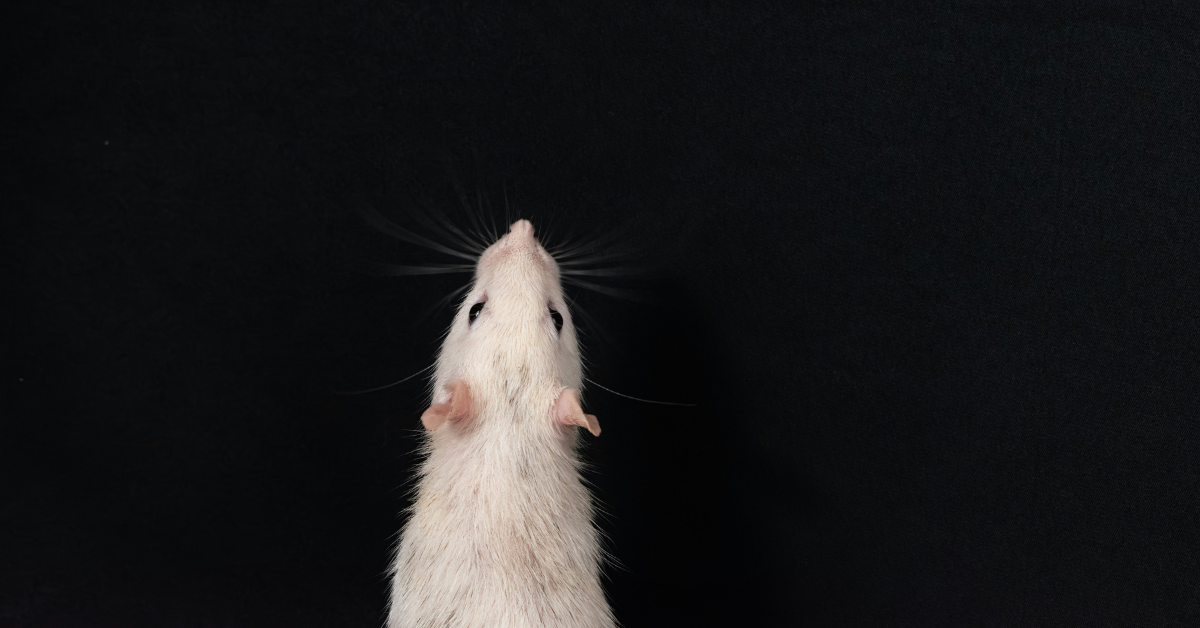
Spanish scientists cured pancreatic cancer in mice.
A study was published in the journal Proceedings of the National Academy of Science (PNAS) in December 2025 to share the work of several Spanish scientists who believe they have found a cure for pancreatic cancer.
According to the findings, the scientists used a triple combination therapy, which they say proved to be more effective than traditional therapies involving one medication, because too often the tumor becomes resistant to the drugs that are being used to fight it.
"These studies open a path to designing new combination therapies that can improve survival for patients with pancreatic ductal adenocarcinoma [the most common pancreatic cancer]," according to a statement from the study's authors. "These results point the way for developing new clinical trials."
Unfortunately, those clinical trials are still a ways away, according to NDTV. That's because the researchers don't yet have the means to start human trials with this therapy method.
Who is Dr. Mariano Barbacid?
According to Dr. Mariano Barbacid's profile on the Stop Cancer website, the scientist earned his PhD at Madrid's Universidad Complutense in 1974 before training as a postdoctoral fellow at the U.S. National Cancer Institute.
He has spent decades working with tumors and cancers, trying to find a ay to fight these diseases that take the lives of so many each year. Unfortunately, the doctor has gone viral on social media for different reasons after the news of this advancement was announced.
That's because Dr. Barbacid has a large port wine birthmark covering a large section of his face, which has prompted negative and unwanted attention online.
Fortunately, there are many people who are standing up for the doctor in the comments of these posts, and blasting everyone who has commented on his appearance instead of his massive, and potentially groundbreaking, accomplishments.
That being said, it's unlikely that the doctor is paying attention to what people have to say about his looks as he appears to be at the cusp of one of the biggest medical advancements of his lifetime.