
Looking To Fight Hantavirus? The Solution May Already Be Hiding in Your Home
Hantavirus is typically spread through exposure to rodent droppings.

Updated May 13 2026, 4:18 p.m. ET

They say an apple a day can keep the doctor away. However, what of those who are claiming that a shot of whiskey a day can do the same for the deadly hantavirus? That's right, there are rumors circulating online that drinking alcohol may help keep you safe from the disease that is typically spread by aerosolized rodent droppings, most often occurring when their nests are disturbed.
But, is there any validity to this claim? Or is it just an excuse for some people to have a guilt-free nightcap?
While experts continue to warn that the hantavirus is unlikely to turn into the next pandemic, following in the scary footsteps that Covid-19 once walked, people are still looking for ways to protect themselves and stay safe when it comes to the virus.
And while it's unlikely that people will begin masking to prevent the spread, some really are turning to creative alternatives. So, can alcohol kill hantavirus? Keep reading to find out what you need to know about the deadly illness.
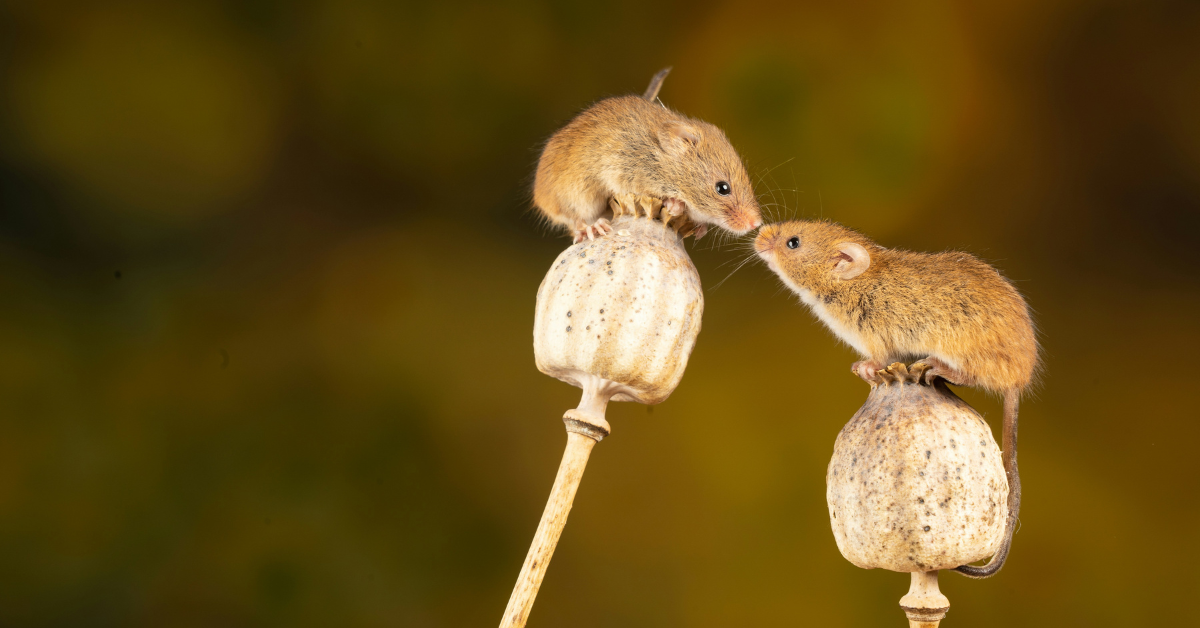
Can drinking alcohol kill hantavirus?
I hate to be the one to be the bearer of bad news, but no, drinking alcohol cannot kill hantavirus. While it would be nice to know that we're helping our health while tossing back a few cold ones, this method is ineffective when it comes to protecting our health.
That being said, disinfecting alcohol can be used to help keep you safe while cleaning, according to the Environmental & Disaster Restoration blog. The best way to do this involves dousing the area you intend to clean with the liquid.
It, along with bleach or other household disinfectants, are most effective when used to wet down any area with dead rodents or signs of droppings before you begin cleaning them up.
This not only helps you to keep the virus from becoming airborne. The Mayo Clinic says you should let the cleaning solution sit on the area for no less than five minutes before you begin cleaning, first wiping up the mess with paper towels. Next, you'll need to go over it again with a mop and more disinfectant.
When you're done, you'll need to carefully dispose of the paper towels you used to clean up, and then wash your gloved hands before disposing of the gloves and whatever facial covering you used to protect your airways. Once that's done, the Mayo Clinic says you should once again wash your hands with soap and water, ensuring that there's no remainder of the virus on your skin before you move on.
Can hantavirus be treated?
Unfortunately, the U.S. Centers for Disease Control and Prevention (CDC) says that there aren't any current treatment plans that are specific to hantavirus. Currently, they treat the symptoms of the virus, which can include providing breathing support or intubation.
Additionally, the virus has been known to disrupt kidney function as well, which can require dialysis.
While it's clear that it's not easy to treat, it is easy to prevent, which is why you should use caution in areas with known rodent infestations.