
A Blood Test May Be Able To Predict the Start of Alzheimer’s Disease Symptoms
Researchers were able to use this test to create a "clock" to determine when symptoms could start.

Published March 20 2026, 9:28 a.m. ET

Alzheimer's disease is a devastating condition that can impact a person's cognitive abilities, impacting both memory and critical thinking skills, which eventually makes them unable to perform some of the most basic tasks.
There is no known cure for Alzheimer's, and many of the treatments are used in an effort to manage symptoms and slow the progression of the disease. Even then, anyone who has had experience with this condition knows that there is only so much that can be done.
That being said, scientists have been working on a test for the disease that will allow them to identify and diagnose it earlier, hopefully giving them a clearer understanding of when and how quickly symptoms will progress, while also allowing them to start administering medications to slow the disease in its early stages.
Researchers believe they have found a blood test that can identify Alzheimer's, and it may even help alert people to the condition before symptoms start.
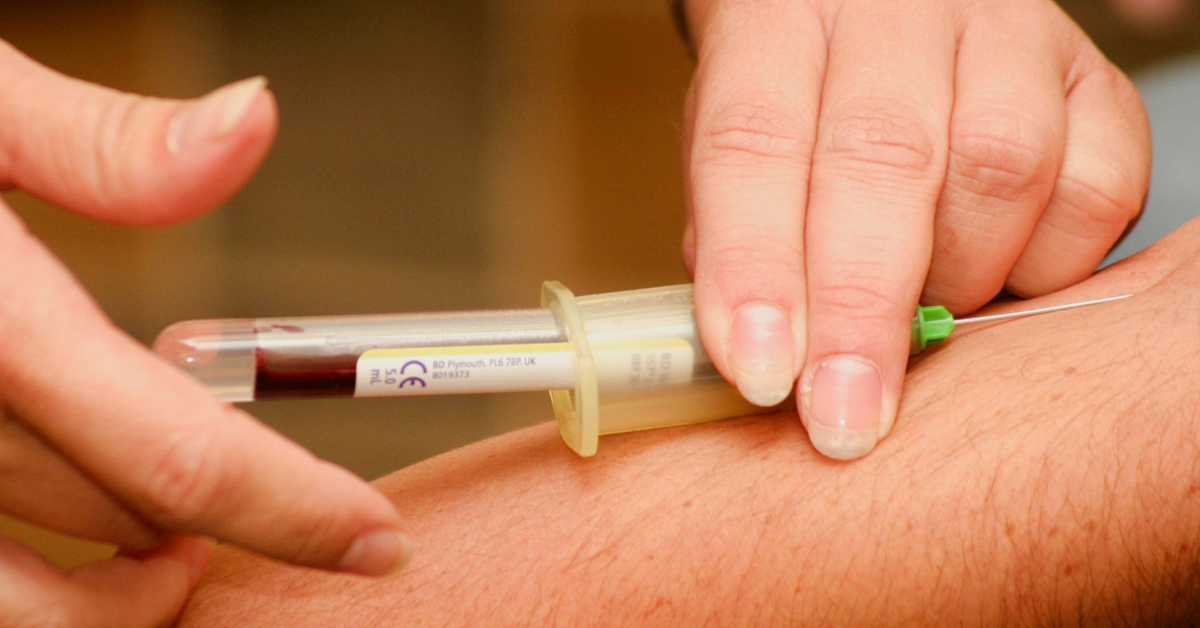
Researchers have found a blood test that may detect Alzheimer's.
A March 17, 2026, research update from the National Institutes of Health says that researchers believe they have developed a blood test that detects the protein p-tau217. They say that the presence of this protein serves as a prediction for the future buildup of plaques and tau tangles in the brain, which are believed to be responsible for the symptoms of the disease.
Researchers from Washington University in St. Louis then used those blood tests to develop a timeline "clock" for symptoms.
According to the NIH, they are able to use the clock as a model to determine when symptoms are most likely to begin. For example, they found that elevated p-tau217 levels at the age of 60 would typically mean that symptoms would start 20 years later. However, they found that those whose p-tau217 levels became elevated at a later age, like in their 80s, would begin to experience similar symptoms in just 12 years.
This means they believe that the blood test can predict when symptoms will start.
What is Alzheimer's — and is there a cure?
According to the Alzheimer's Association, the disease is a form of dementia that impacts a person's behavior, memory, and thinking. It's believed to be responsible for between 60 and 80 percent of all dementia cases, and it typically impacts people ages 65 and older.
The progressive disease will worsen over time, and typically begins with mild and sometimes undetectable symptoms. However, as a person ages, these symptoms become more apparent until they eventually impact their daily life.
While there are no true cures for the disease, The Harvard Gazette says that there is promising research that says that both diet and lifestyle changes could help stall, and in some cases improve, Alzheimer's symptoms.
Among them are a diet rich in certain nutritional supplements, like omega-3 fatty acids, as well as daily exercise and group socialization activities that took place at least three times a week.