
Scientists Find Stronger Than Ever Evidence Linking Air Pollution to Alzheimer's
Published Feb. 19 2026, 5:52 a.m. ET

Woman covering her nose against air pollution.
Air pollution can cause far more damage than previously believed. According to a recent study published in PLOS Medicine, the tiny particles in polluted air are way more harmful. The long-term exposure to PM2.5, which is extremely small pollution particles, is linked to a higher risk of developing Alzheimer’s disease. Scientists now believe these particles may not only affect the lungs but also reach and impact the brain directly. In simple terms, breathing polluted air for years could contribute to the growing number of Alzheimer’s cases diagnosed around the world each year.
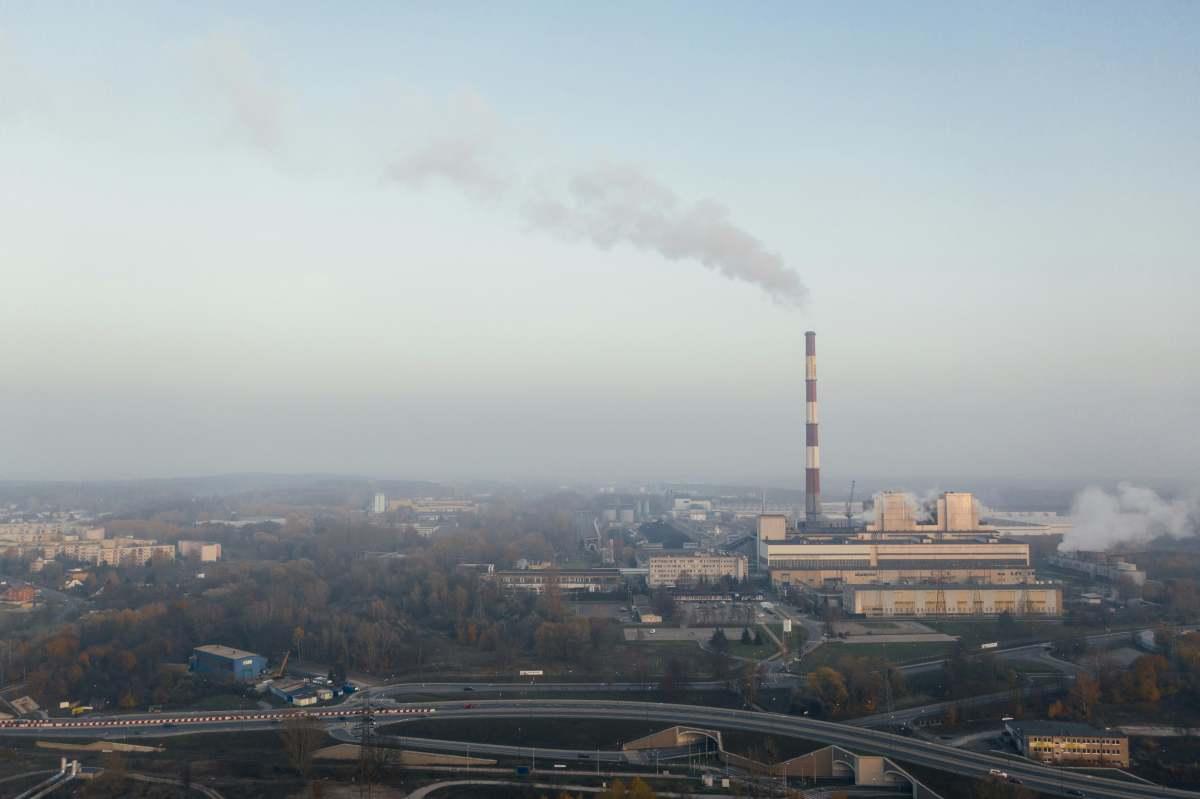
Industries emitting CO2 into the atmosphere.
Researchers at Emory University in the United States conducted a study, and their findings connected air pollution to brain-related illnesses. When research was previously conducted, PM2.5 particles in polluted air were linked to neurodegenerative diseases, including Alzheimer’s. This new study takes things a step further by strengthening that connection. “Alzheimer's disease is the most common form of dementia and a growing public health challenge, especially in aging populations. Our findings suggest that PM2.5 exposure was associated with increased Alzheimer's disease risk, primarily through direct rather than comorbidity-mediated pathways,” researchers wrote in the study.
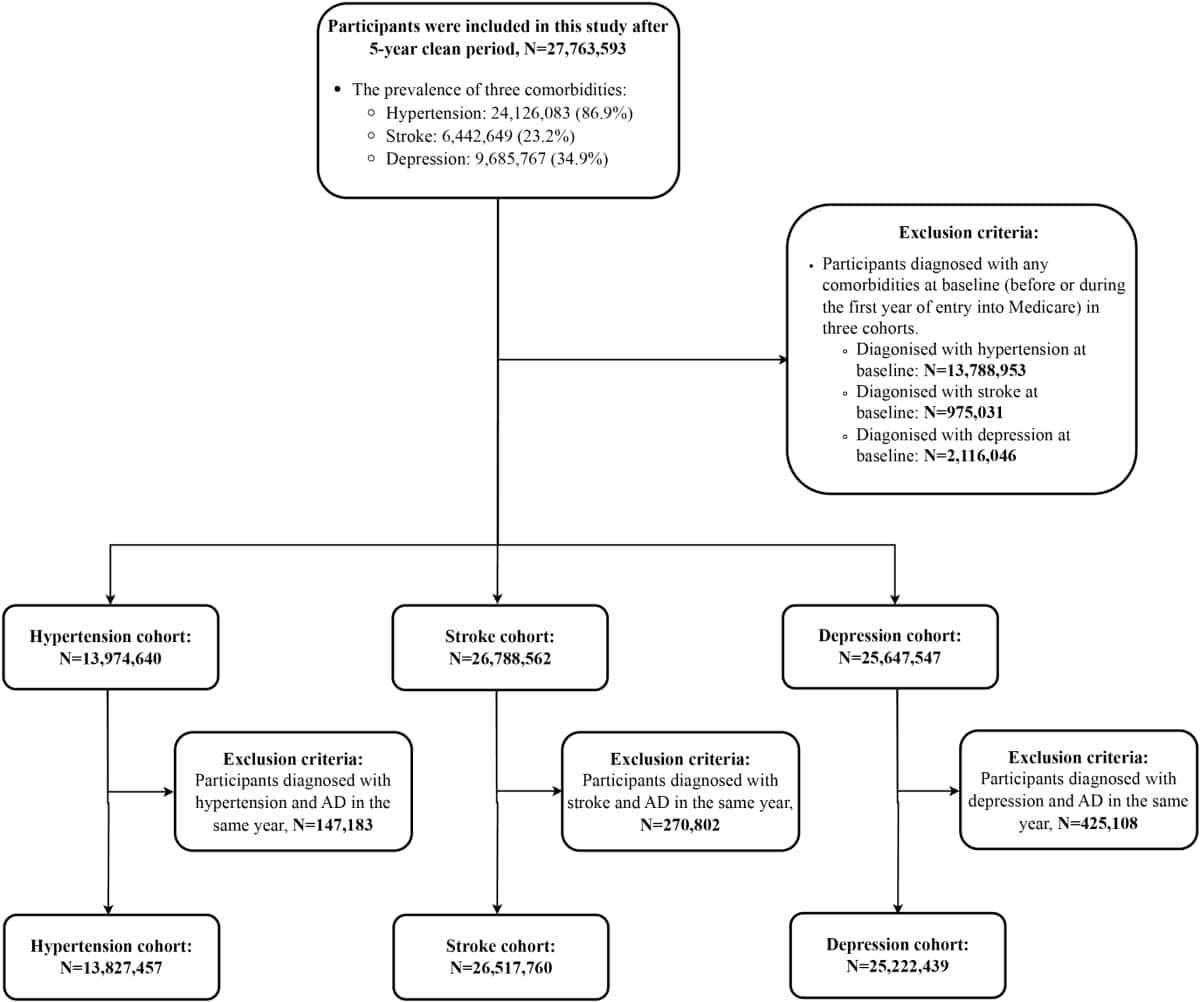
Flowchart of study population selection and exclusions.
The research was conducted by analyzing health records from more than 27.8 million Americans aged 65 and older over 18 years. They compared people’s medical histories and Alzheimer’s diagnoses with estimated air pollution levels in the areas where they lived. The team used local ZIP code data to measure long-term exposure. What stood out most was its strong connection. “We examined 5-year average exposure immediately preceding disease onset and were unable to estimate exposures earlier in life due to the lack of historical exposure data,” The researchers explained.
Even after researchers looked for other health conditions that can increase Alzheimer’s risk, the link between higher air pollution exposure and a greater chance of developing the disease remained clear and significant. “It is likely that the disease process began earlier, and our findings may therefore reflect the correlation of relatively recent exposure with past exposure levels,” the authors wrote.
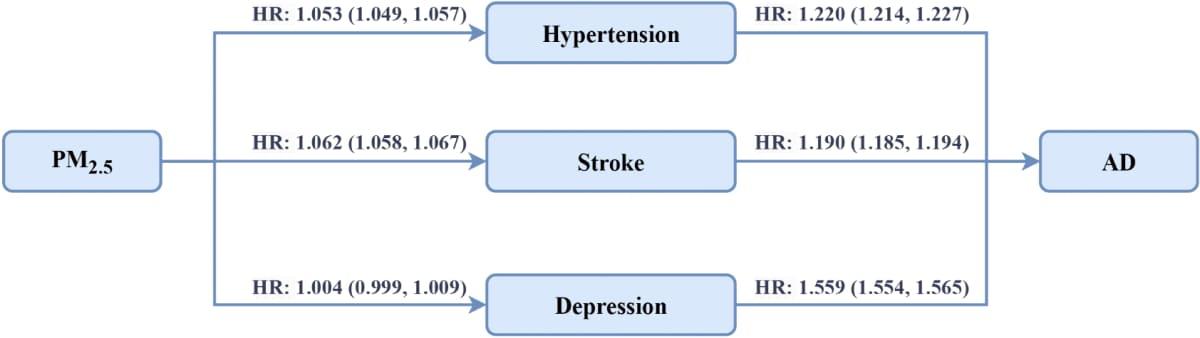
Illustration of the association of PM2.5 exposure, comorbidities, and incident AD.
In simple terms, the study suggests that pollution can increase the risk of Alzheimer’s without the need for underlying diseases. Scientists earlier believed pollution first harmed the heart or overall health, which then raised the chances of developing Alzheimer’s. However, this study suggests that air pollution itself may directly cause the disease. This means that polluted air could affect brain health on its own. However, since this is an observational study, it cannot prove that air pollution directly causes Alzheimer’s disease.
The team estimated pollution using environmental data based on where people lived, rather than measuring the exact amount of pollution each individual experienced. It also did not account for air quality inside homes or workplaces, which can vary from person to person. Another interesting discovery was made. The people who had previously suffered a stroke showed a slightly higher risk of developing Alzheimer’s. This suggests that brains already affected by stroke damage may be more vulnerable to the harmful effects of air pollution over time.
“The observed effect modification by stroke may reflect an underlying biological vulnerability in cerebrovascular pathways. Stroke-related neurovascular damage can compromise the blood–brain barrier, facilitating the translocation of PM2.5 particles or their associated inflammatory mediators into the brain,” the team wrote. Future studies will likely explore in more detail exactly how air pollution affects the brain. For now, researchers say pollution should be considered one of several important risk factors linked to Alzheimer’s disease.