
A Simple Question Could Predict Whether Your Job Will Exist in 5 Years
Will your job exist in 2030?

Published March 30 2026, 2:18 p.m. ET

As of February 2026, the U.S. unemployment rate was around 4.4 percent, according to USA Facts. That means a little over 4% of the U.S. labor force was out of work in February, translating to around 7.6 million people.
To put that into perspective, the unemployment rate was at 3.5 percent in January 2020, right before COVID-19 hit. Between then and now, the highest the rate reached was 14.8 percent in April 2020, when the U.S. was in lockdown.
While COVID-19 was a fluke that temporarily upended the job market, many worry that other things on the horizon could potentially cause greater disruptions, like rising fuel prices, tariffs, and the increased reliance on Artificial Intelligence (AI). That has left many people wondering how to tell whether their job will still exist in five years.
According to some, there's actually an easy way to make that determination, and to plan for what comes next. Here's what you need to know.
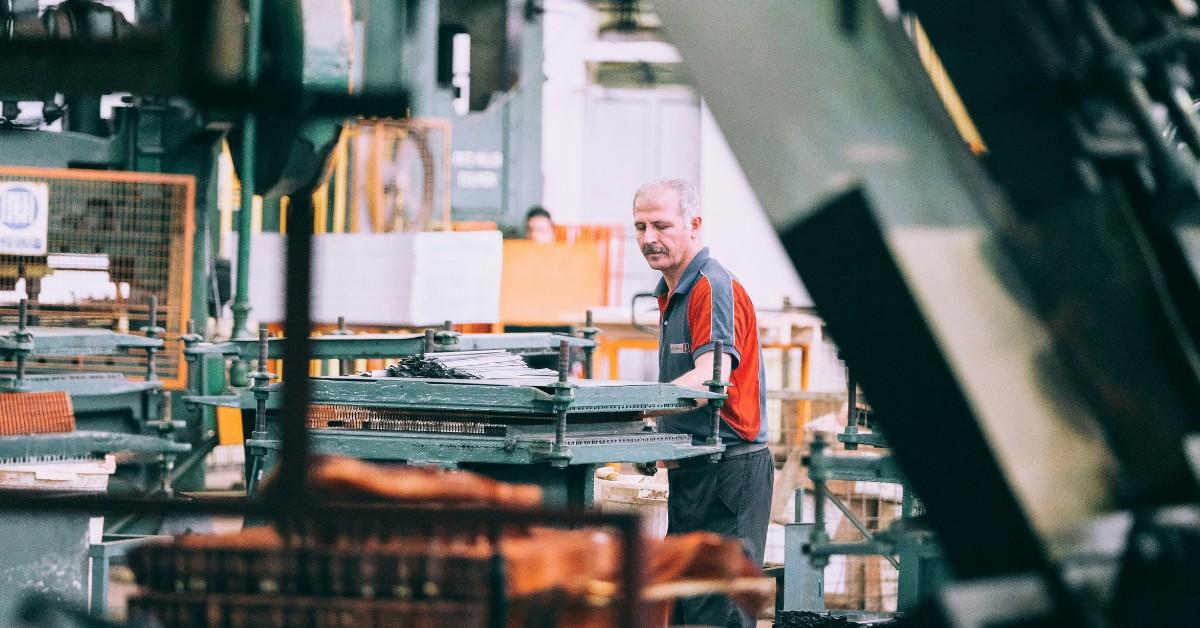
Will my job still exist in five years? As yourself this question.
According to The Atlantic, there is a way to somewhat accurately predict if your job will exist in five years, and it involves determining just how much adaptation both you and your job can handle.
The writer separates careers into two different categories: coal or horses. So, are you the coal or the horse?
Both were once ubiquitous in the U.S., but each has fallen out of favor in major ways. And while you can still find coal and horses around, they are now doing much different jobs.
Coal, for example, isn't as widely used as an energy source since the development of many other technologies, like wind power, solar, natural gas, and nuclear energy.
But that doesn't mean that coal has completely fallen out of favor, since many industries (like electric utilities) still heavily rely on it. Coal-fired electrical plants use the substance to create the steam used to drive the turbines that create the electricity that many people still use today.

And while we may not still rely on coal as much to heat our homes, it does still have a place in other areas of our lives, from grilling burgers to producing synthetic petroleum-based fuels.
However, when horses were largely displaced on farms, and as a means of travel in favor of vehicles, they didn't adapt to find new jobs.
According to The Atlantic, there were an estimated 26,493,000 working horses in 1915, compared to the current estimate of just 700,000.
The comparison of horses and coal to the American workforce may seem like an unusual one, but it highlights how some roles can be eliminated when something better or more cost-effective comes along, while other roles can be changed and adapted.
So, when it comes to whether or not your job will be around in the next five years, you have to see which category it falls into: that of a horse or that of coal.
These are the jobs most at risk of elimination due to AI.
While the horses had the rise of the automobile to contend with, and coal had other, cleaner energy sources to deal with, modern workers mostly share a single threat: AI.
According to Newsweek, there are several industries that may see their jobs replaced in the next few years, and they include careers like:
- Interpreters and translators
- Sales reps
- Writers and authors
- Customer service representatives
- Ticketing agents
- Broadcasters
- Historians
- Passenger attendants
If your career falls into one of those groups, then the answer to the question, "Will my job still be around in five years?" Maybe no.
However, there is some good news out there, and Newsweek also shared a list of roles that were more likely to have longevity, which included a list just as long, including careers in the medical field.
While nothing is certain and the job market can and will change at any moment, it seems like there are some ways to predict the future of your career.