
Big Tech's AI Tools Are Affecting Your Food Demands. New Report Highlights Catastrophic Disruption
Published March 4 2026, 5:41 a.m. ET

(L) Peruvian woman drying corn on the cob (R) Farm Worker Using Virtual Reality AI to Analyze Plant Disease in Sugarcane Fields. (Cover Image Source: Getty Image | (L) hadynyah | (R) KDP)
Imagine having a supermarket with dozens of food items slinging in the shelves and still eating only five foods for the rest of your life. Not great. Yet, farmers across the world today are reportedly becoming more focused on growing only five crops: corn, rice, wheat, soyabeans, and potatoes. Enter the big corporate titans. A report by the thinktank IPES-Food exposes how these agrobusiness giants are quietly manipulating the food system and disrupting it. Using AI and algorithms, the companies are influencing farmers into choosing what the world eats and what not.
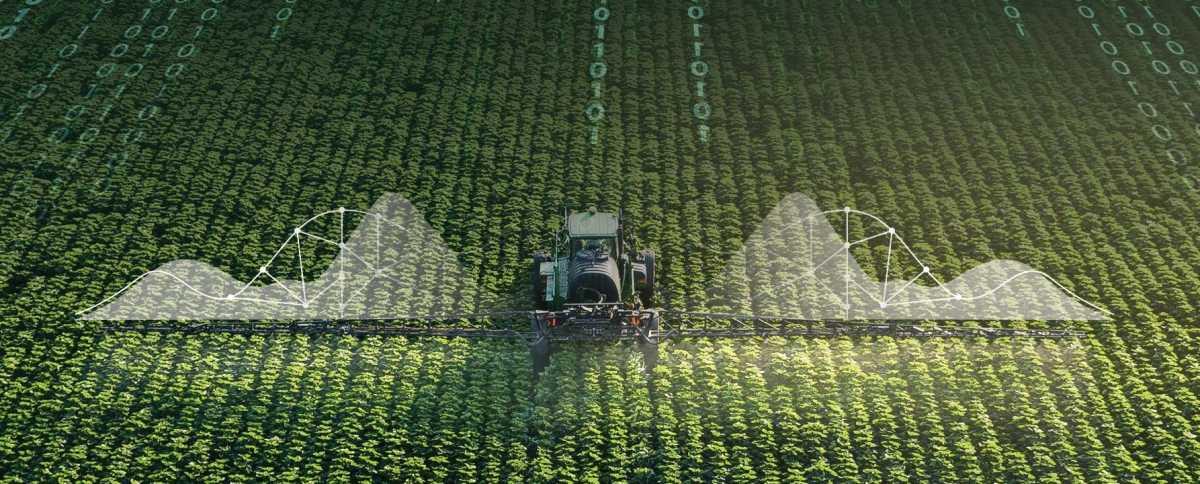
Illustration showing how AI is influencing the farmer-led systems across the world
“We are witnessing a quiet takeover of farming by Big Tech,” ruminates Lim Li Ching, IPES-Food co-chair. Ching reflected that tech giants are consolidating control over agriculture and biological heritage, sidelining farmers who already know how to grow food in sustainable and resilient ways. This, she said, “is not the future farmers asked for.” Media and journalists are approaching leaders like Google, Microsoft, Amazon, IBM and Alibaba for comment, per The Guardian, but no solid solution has emerged so far.
Currently, big companies tell farmers what to grow based on what’s most productive and profitable. They feed their algorithms with information collected from drone sensors and satellites, to monitor climate conditions, soil health, and a suite of factors. Bundled with this data, they tell the farmers which crop to grow based on the area they are working in. Experts believe the data is tweaked on their self-serving agendas and interests. Consequently, farmers are forced to buy seeds laced with chemicals of industrial machines. “Companies are playing with the food system, and we can’t afford to have that played with,” said food expert Pat Mooney.
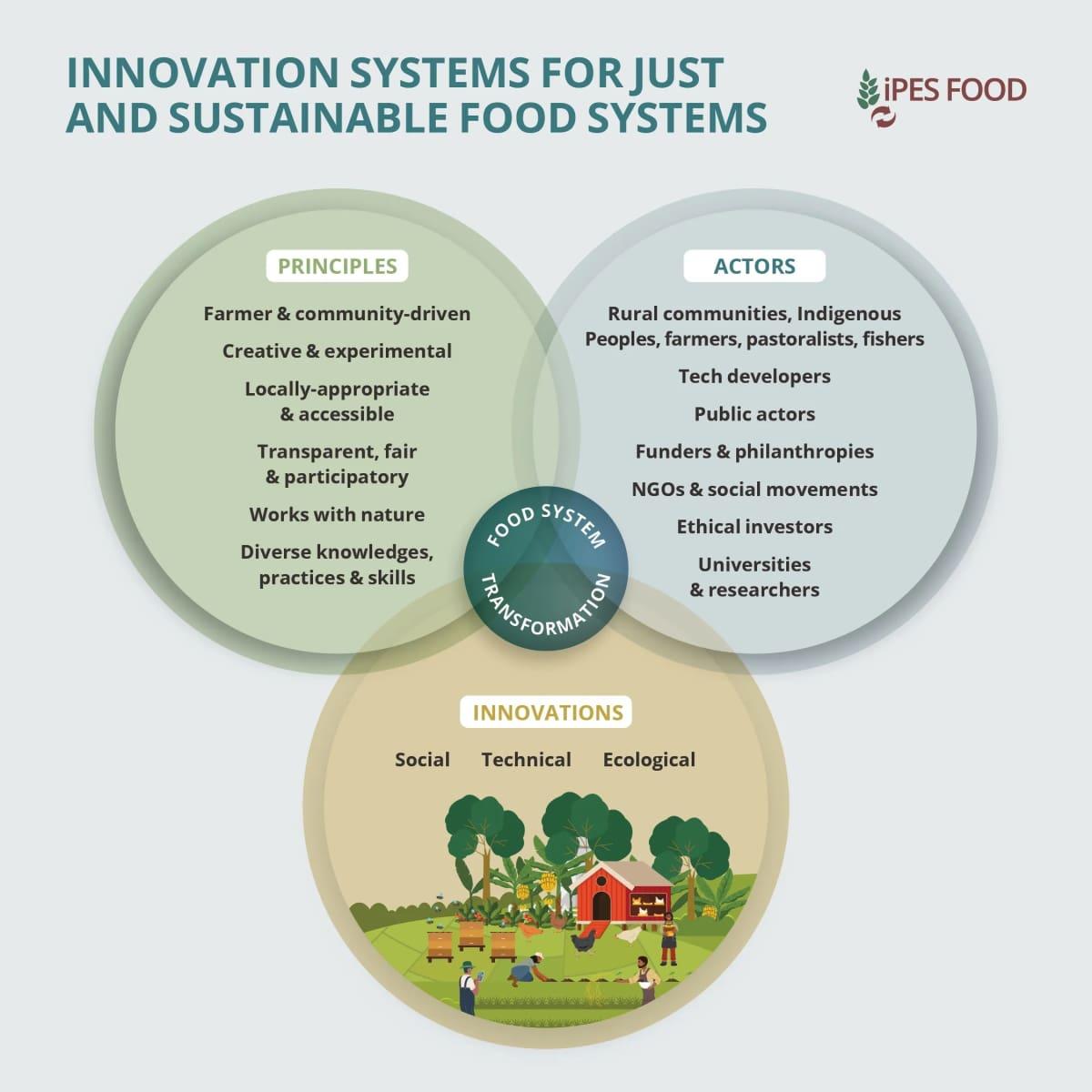
Food experts suggest farming systems that are sustainable not just innovative
To add more concern to the scenario, the policymakers and investors are easily lured by the digital tools companies advertise and propose, the report warns. According to the forecaster Fortune Business Insights, the industry for farming-related digital tools was around $30 billion last year and is projected to reach $84 billion by 2034.
Real innovation however, doesn’t come from the Silicon Valley, as food expert Nettie Wiebe puts it. The conglomeration of farmers, farmworkers, and Indigenous Peoples working together, developing tools, restoring soil fertility, managing bugs, breeding crops for changing climates; that’s real innovation. Farmers, she said, already know how to maintain a resilient system without locking us in debt or dependency.
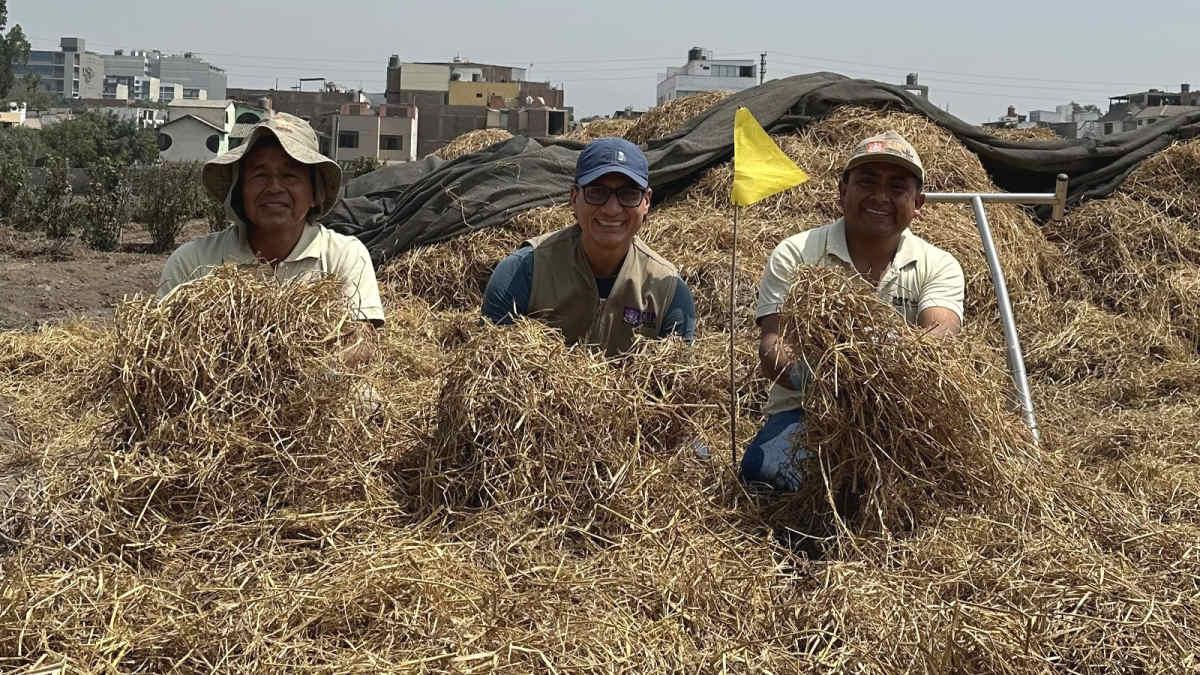
In the highlands of Peru, farmers are trading smoke for soil health. Instead of burning crop residues, they’re using straw to cover their potato fields, a simple technique called mulching that protects the soil, boosts yields, and reduces pollution.
The solution is the integration of farmers-led systems with scientific innovation, suggests Yiching Song. “If we are serious about climate action, policy and investment must recognise and actively support these systems, not sideline them,” Song asserts. More focus needs to be directed into a bottom-up approach, so farmers can remain grounded in their realities and not entrenched in the burden of technology. The global food system is already broken and beyond repair, which means policymakers should direct their funding to encourage local farmers and support their innovations.
Under the shadow of innovation, which has become a buzzword, farmers are forced to relinquish their ancestral cultivating intelligence and succumb to corporate control. In the world of business, meanwhile, tongues wag to increase farmer dependency, re-enforce high-cost, high-input production models, and magnify the concentration of control. Amid the collapsing food security, IPES-Food calls for a reorientation from top-down to bottom-up systems and sustainable initiatives, also change the narratives of agricultural innovation. Ching asserts that it’s time to reclaim the rightful innovation for people and the planet and choose a different path.