
Diver Planted 400,000 Corals on a Dying Reef in Bali. Then, Surprising Visitors Showed Up
Published Feb. 20 2026, 9:12 a.m. ET

A woman planting corals in Padangbai, Bali.
Just off the coast of East Bali in Padangbai, a reef is exploding with fish life. A mysterious orange-green fish with a toothy smile spends 90 percent of the day munching on algae that would otherwise smother and kill corals. A school of shiny silver-grey barracuda wafts nearby. Mola Mola, the largest living bony fish in the world, offers divers and tourists the opportunity to swim alongside it.
Other young candidates, like damselfish, butterflyfish, and cuttlefish, glide and swirl around, stippling the crystalline waters with bobbles of bright color. All these fish wouldn’t have been there if Leon Boey hadn’t invested years of effort in planting corals. Boey, the founder of LivingSeas Asia, manages this one-of-a-kind dive center that focuses on dive education, dive courses, and coral reef restoration. He shared his experience with BBC Discover Wildlife.
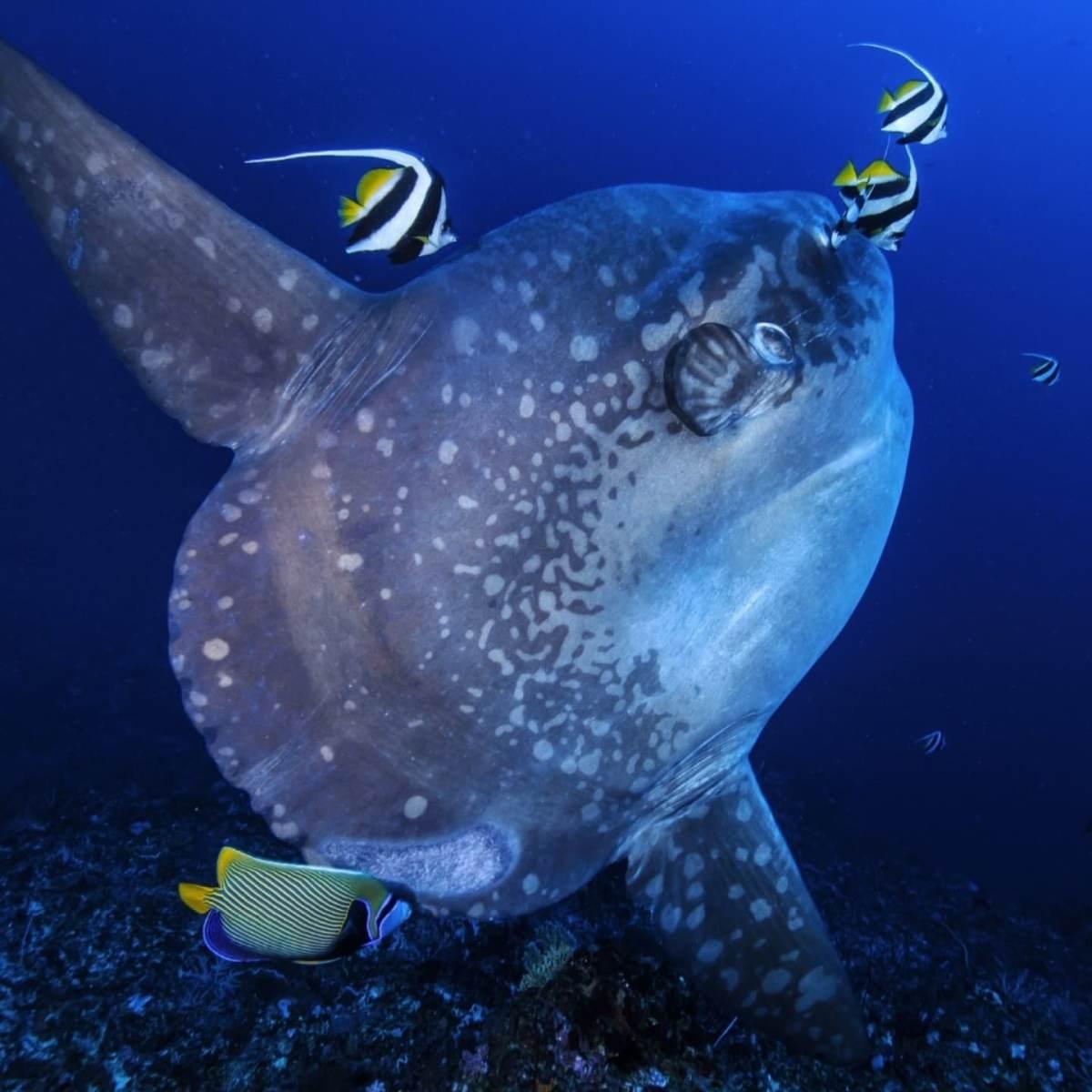
Mola Mola, world's largest living bony fish, swims in Bali
Reefs aren’t just giant beds of swaying and dancing corals. They are underwater cities that support the whole planetary life, not just the life under the water. Phytoplankton, the tiny aquatic plants that generate more than half of the planet’s oxygen, seek nutrients from corals. Lately, however, corals have been suffering due to climate change and pollution.
An Instagram video shared by LivingSeas shows that more than 50% of the coral reefs have been lost since 1950. The lively pulsing of the reefs was now reduced to dull whispers. Fish were disappearing. Being the largest coral reef area, Indonesia was suffering the most. Meanwhile, Boey had already decided to breathe life back into these reefs. It started in 2015 with a replanting side project.
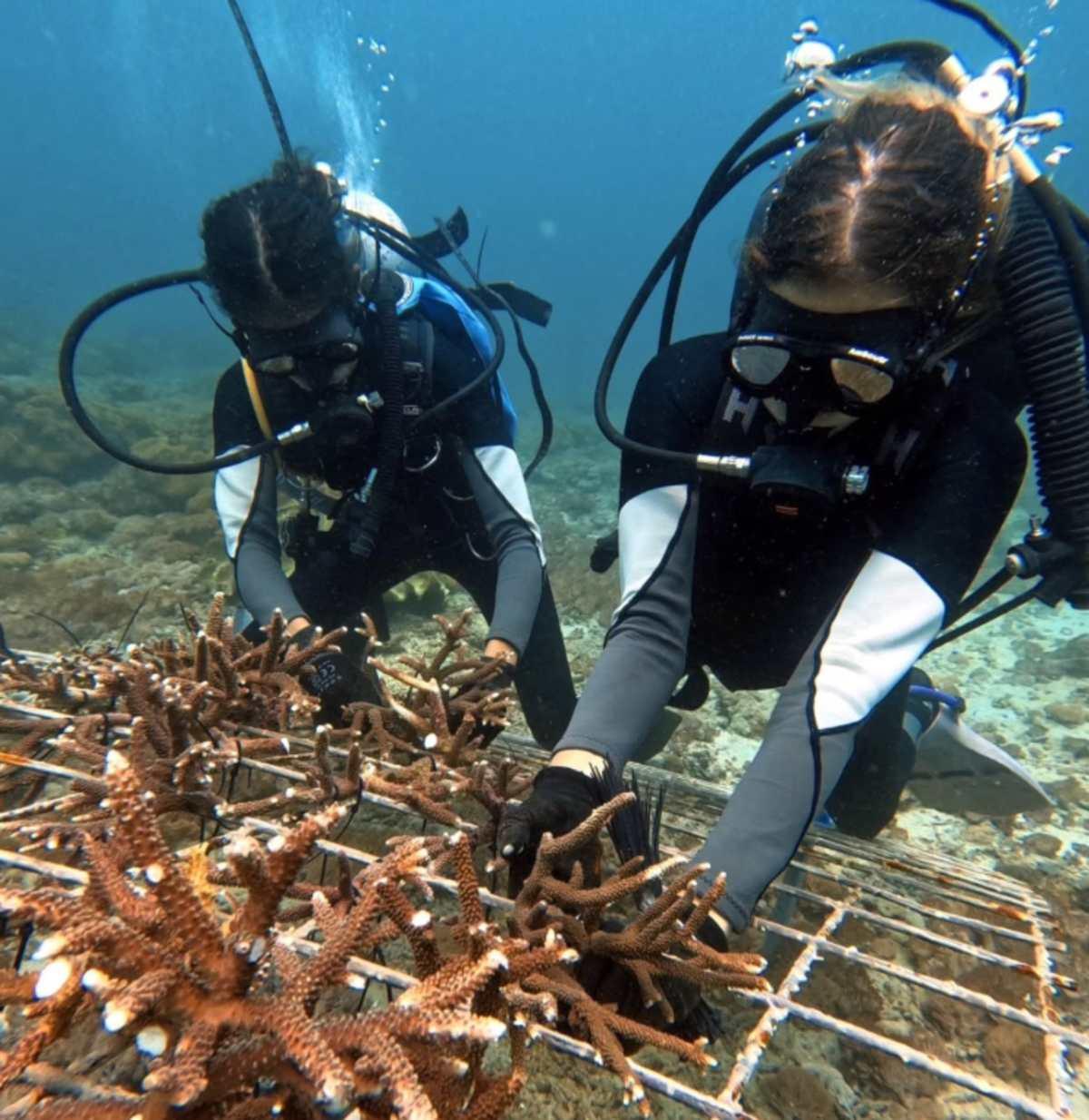
Leon Boey's team at LivingSeas Asia planting corals
The project was working well until everything changed disastrously in 2020. The pandemic struck, and Bali lost the majority of its tourism. “I decided that we would go full tilt into restoration and see if we could build and scale that into a business,” Boey recalled. His efforts paid off. Over the next few years, restoration work brought the reef back to life, with an exciting twist. At that time, he was only focused on planting the corals, but soon enough, he realized that the corals were dramatically attracting schools of fish.
Earlier, where there were only clusters of fringing corals, now appeared the colorful shoals of fish. Little fish, big fish, predatory fish. “The fish life has exploded on the site on its own,” he described. Unlike the former days, today, when he plunges into the water to explore the reefs, he is often welcomed by gaggles of little fish, checking out his team’s work. “It's like they are little dogs, wagging their tails, showing appreciation to us for creating homes and food for them,” he described. Even dolphins, he said, have started to make an appearance, chasing schools of sardines that have spawned on the site.
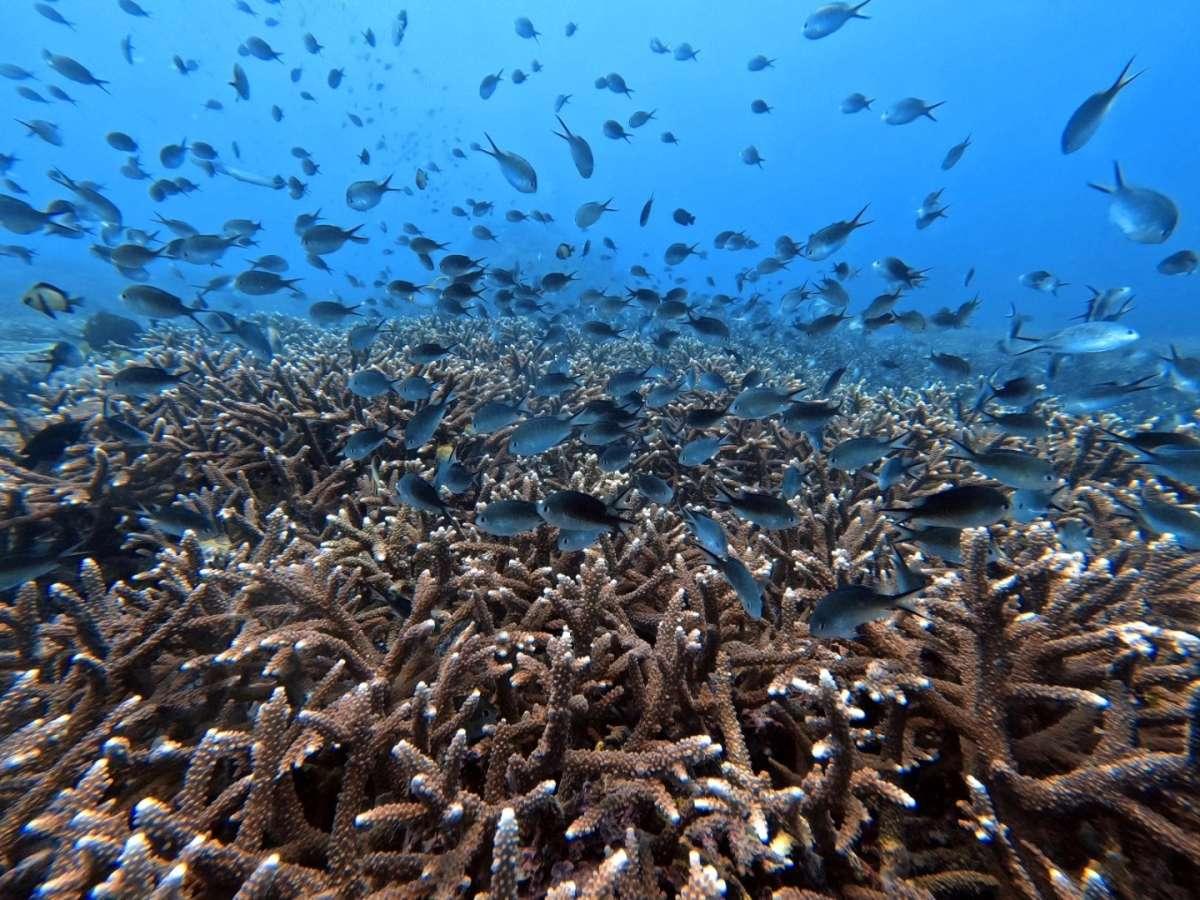
School of fish among corals in Padangbai, Bali.
To date, Boey and his team have planted around 410,566 corals, according to the bio of his company’s Instagram page. Looking ahead, he projected a vision of more than 500,000 corals planted this year. Despite the huge success, he feels this isn’t enough. “We are honestly running out of time to save them,” he warned. Corals, he said, are fading, quietly, reef by reef. To power up the mission, he is inspiring conservationists, tourists, and people across Bali to contribute to this change. His center, Living Seas, which is one of the largest coral reef restoration sites in Bali, regularly conducts coral planting internships and diving sessions for visitors to take a sneak peek into the process and learn from it. But it isn’t easy. Conservation, he said, is a “very long game” that requires time and patience, and one must become totally committed to it.