
Recycled Business Cards Are The New Couture: Environmentalism, Design, And Texture Shaping Your Identity
Business cards are considered recycled when they are created using post-consumer waste, FSC-certified paper, or other eco-materials.

Published Dec. 18 2025, 11:21 a.m. ET

The reality of modern environmentalism is that many products aren’t just eco-friendly alternatives; they are now the modern product that fits a customer’s needs, such as recycled business cards. Sustainable products, in the future, may become increasingly common, offering the same high-quality design you’d expect in business cards 50 years ago.
Jukebox produces recycled business cards in color or black and white, in traditional or fun designs for any business or personal need. Luckily, recycled cardboard is the most often recycled item today, so material availability keeps pricing affordable for most recycled business card options. “In 2023, 71-76 percent of cardboard was recycled. Ensuring that recycled fiber is collected and fed back into our manufacturing process is a key component of the circular product lifecycle,” Yahoo Finance stated, quoting an International Paper representative.
Recycled Business Cards With Great Options
Business cards are considered recycled when they are created using post-consumer waste, FSC-certified paper, or other eco-materials. The usual materials that go into their creation include kraft paper, hemp, or cotton blends. The goal of such recycled products is two-fold: to reduce landfill waste and energy use.
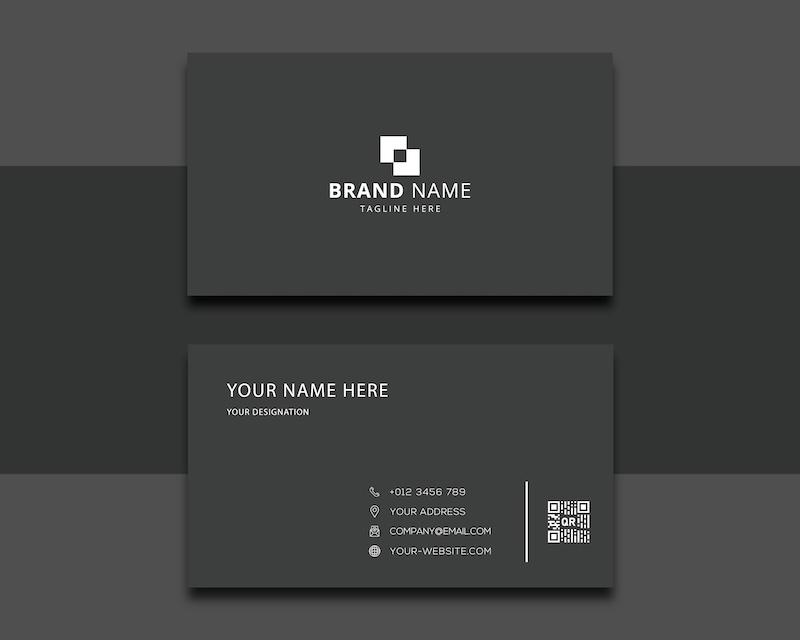
In previous decades, sustainable products and recycling were driven by an urgent need to protect the planet, especially by preventing Superfund sites and other environmental disasters. Today, sustainability helps reduce environmental impact and helps corporate entities understand they must be responsible stewards in partnership with individual citizens.
Modern companies also rely on their brand perception to show customers and cohorts that they value the environment and have continuous plans to help lessen climate change. Another major factor in maintaining an excellent reputation is sustaining quality. The use of high-end recycled paper stocks can closely resemble the appearance and feel of paper made from old-growth or non-recycled wood products.
Design, Cost, and Supplier Decisions Made Easy
The usual business card company offers various textures and finishes, and cards that can be customized with embossing, foil, or unique shapes. Their papers are compatible with both minimalist and luxury designs, created in-house or provided independently by the customer.
Rising costs across all product categories now include an expected upcharge for sustainable options. The ROI in brand perception and sustainability remains helpful, and some companies could be eligible for tax benefits or sustainability credits in their local area.
Choosing the Best Supplier
As you consider the best brands that supply recycled business cards, look for material sourcing information on the company’s website, which should clearly state FSC certification. Printing methods vary among distributors, some using eco-friendly inks and processes that are safe and gentle for the environment. Companies that use these processes often highlight them on their website and in their mailers. A question you should ask, if specifics aren’t available on the website, is whether the card seller offers design consultations or custom samples.

FAQs
What is the durability of these recycled business cards?
In a comparison of recycled vs. traditional business cards, high-quality recycled stocks are often just as thick and well-matted. Final quality may vary depending on the supplier.
Paper thickness is measured by a ruler, or caliper, while paper weight is measured by a scale in points or grams per square meter (GSM). Standard cardstock used for business cards is usually 14 pt, 16 pt, or 18 pt, with 14 pt being standard, and the two heavier weights used primarily for premium cardstock and the highest quality cardstock.
Is color printing the same on recycled paper as non-recycled paper?
The printer’s ability to print color on recycled paper is equivalent to other papers, and many printers offer full-color printing on recycled cardstocks with eco-friendly inks. Remember that some eco-friendly inks aren’t as vibrant in their coloration as traditional inks, so if you want an exciting card using bold colors, you might need to use traditional ink.
Is the cost greater for environmentally friendly business cards?
The small cost difference in choosing recycled products comes with the knowledge that the purchase has a positive impact. For the company, the brand value and sustainability aspect improve the corporate image and customer satisfaction. For customers, the outcome is the chance to contribute in a small way to sustainability efforts and to provide a product that puts a smile on the face of a business contact or new acquaintance.