
Trump Signs Executive Order Changing Cannabis to a Schedule III Drug
Changing regulations around cannabis could have big implications.

Published Dec. 19 2025, 3:23 p.m. ET

In the U.S., drug schedules are created by the U.S. Drug Enforcement Administration (DEA), and they can range from Schedule I to Schedule V, with Schedule I being those controlled substances that are viewed as having "no medical use," while also posing a high risk for both mental and physical addiction. Some of these types of drugs include heroin and peyote.
Schedule V drugs are those that are believed to have the lowest risks, and include things like Robitussin AC, according to the DEA.
However, with the rising acceptance and use of cannabis as a treatment for everything from anxiety to joint pain, many people are curious where it falls on the government scale. That's especially true when you consider that cannabis (or weed, as it's called in some regions) is actually legal to use recreationally in many states across the country.
Given an increased push to nationalize the process, many people are asking if weed is a Schedule II drug now, and what that means for them.
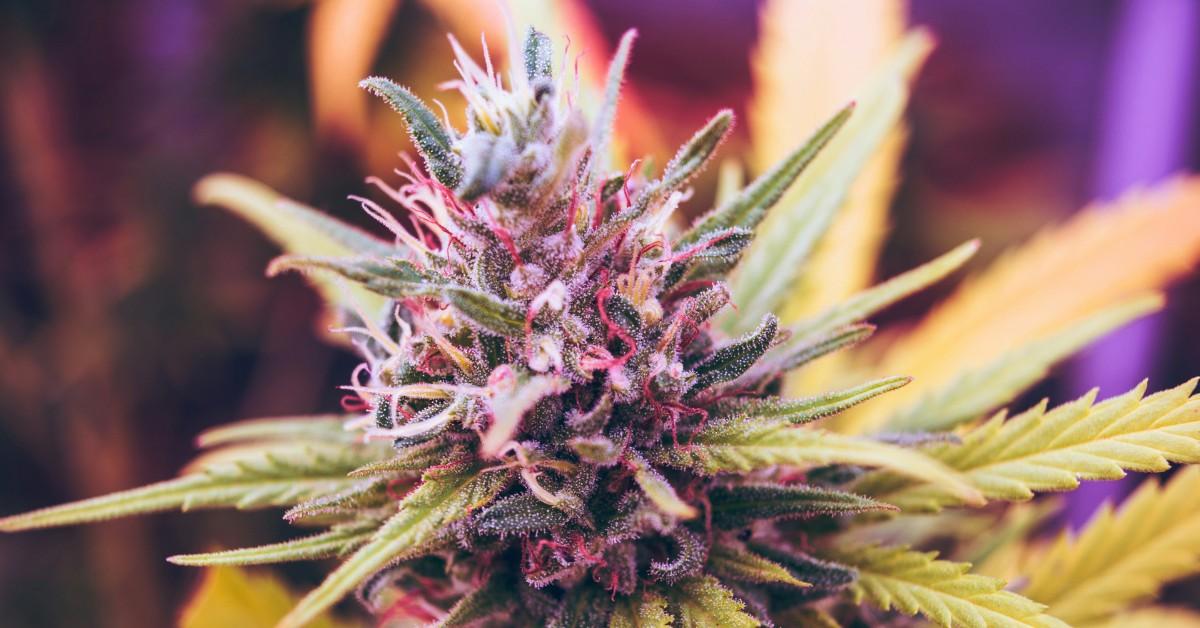
What does it mean that weed is a Schedule III drug?
On Dec. 18, 2025, Donald Trump held a press conference as he signed an executive order, officially changing weed from a Schedule I drug to a Schedule III drug. According to the BBC, this marks the biggest change to happen in U.S. drug policy in quite a long time, and it puts weed into the same category of drugs as Tylenol with codeine.
During the press conference, Trump said that people had been "begging" for this change, and that it had a lot of potential to help those who use it medically.
According to PBS, this doesn't just potentially allow some people to have easier access to the drug, but it can also open up research avenues as well.
"This reclassification order will make it far easier to conduct marijuana-related medical research, allowing us to study benefits, potential dangers, and future treatments," Trump said, telling reporters that he believed the impacts would be "positive." But not everyone agrees, and critics worry that it will normalize drug use instead.
Is marijuana legalized now?
However, getting access to legal weed isn't actually as easy as critics would have you believe, since changing the drug from a Schedule I to Schedule III narcotic doesn't actually legalize it at a federal level.
In fact, Trump even noted that the order wasn't legalization. However, this may have a positive effect on the bottom line of dispensaries in states where weed is legal. That's because the rescheduling could offer better tax incentives, according to USA Today.
Previously, many places selling Schedule I drugs weren't allowed to take certain deductions. With the updated classification, those companies could now write off more of their overhead when it comes to manufacturing the products.
That caused a bit of a boon in the industry immediately following the executive order, and shares of different companies involved in the manufacturing of the drug rose on Dec. 18.
However, immediately following the news, it seems that the only beneficiaries of this class change remain corporations and industries. Only time will tell if those perks trickle back down to consumers, both in states where pot is legal and in those where it's not.