
What Is Diet Stacking and Why Do Health Experts Warn Against This Problematic Trend?
"The psychological impact is also troubling."

Published Jan. 7 2026, 1:58 p.m. ET

At the dawn of a new year, consumers turn to many different sources for their fitness and nutritional inspiration. Sometimes, popular athletes serve as our models for perfect health, while trendy, fad diets inspire us to make necessary changes to clean up our diet. (Other times, social media fuels an unhealthy obsession with trends rarely rooted in sound science.)
As people seek to lose weight in the new year, some consumers have turned to diet stacking — but is this approach actually healthy?
And, for that matter, is diet stacking even safe to try, given the myriad ways in which any number of diets being employed may not be right for each individual body? Why are so many people employing the strategy of diet stacking when it seems logical that other methods may be more appropriate and safer?
Below, we explore the diet stacking trend and why experts warn against this strategy. Continue reading to learn more about why health experts say you should avoid diet stacking this year.
What is diet stacking?
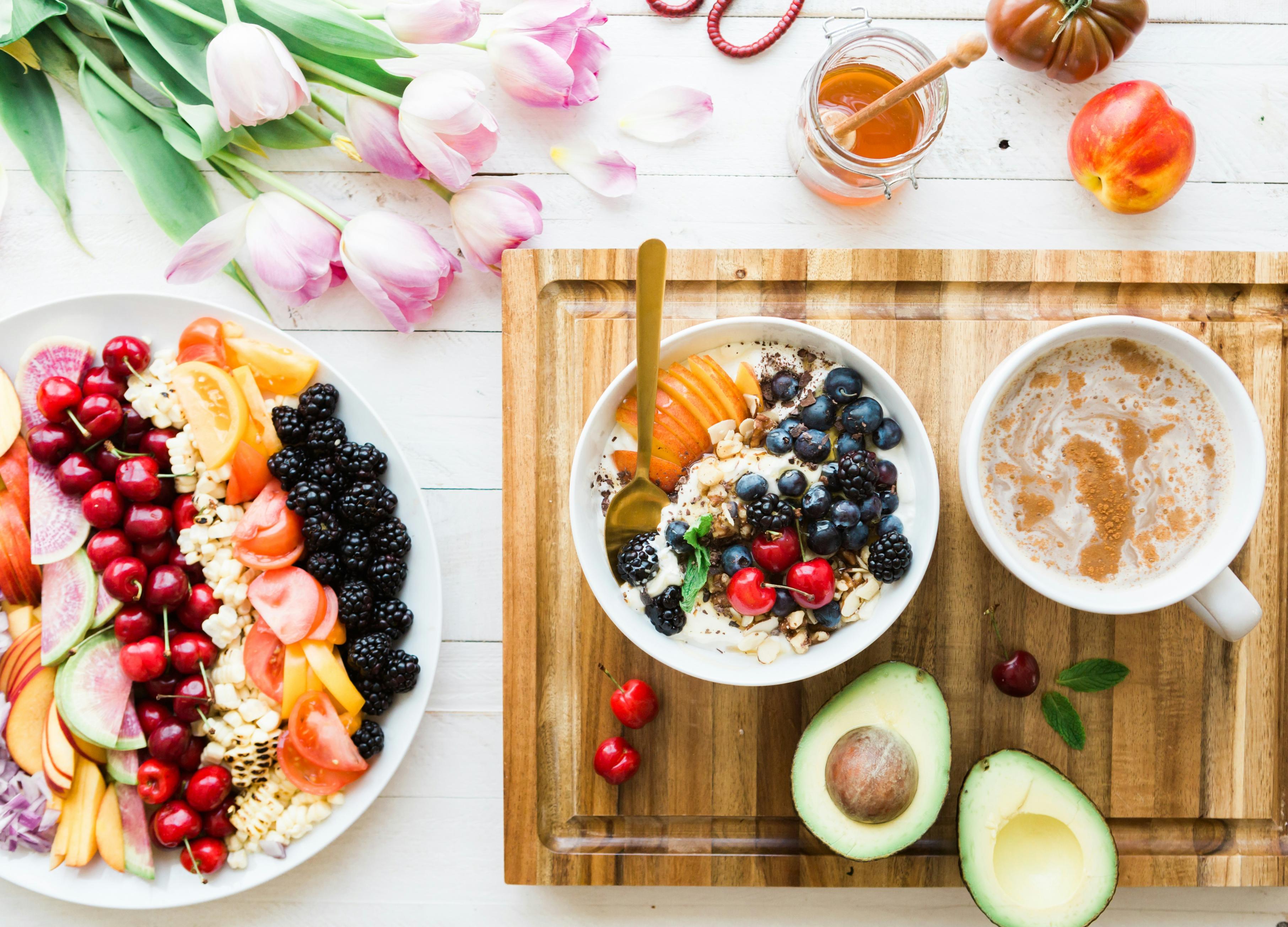
As Newsweek reports, diet stacking refers to a trend "in which people follow multiple dietary approaches at the same time—for example, combining vegetarian, gluten-free, low-fat, low-FODMAP or 'clean eating' plans—often without professional guidance."
Yes, you are the expert of your unique body, but making multiple sweeping changes to your diet and "stacking" several approaches on top of one another without the input of a primary care physician and dietitian can lead to unintended consequences.
"While each diet on its own may have evidence-based benefits, the team warns that layering them together can lead to increased physical, nutritional, and psychological risks," Newsweek writes, referring to a new research led by the Swinburne University of Technology in collaboration with Monash University that found diet stacking can lead to fatigue in the short term, as well as nutrient deficiencies and chronic health conditions in the long term.
From heart disease and Type 2 diabetes to obesity, osteoporosis, weakened immunity, and poor mental health, the research team strongly advises against diet stacking.
"People may accumulate diet strategies by layering them with additional restrictions such as gluten-free, low-fat, or ‘clean eating’ without considering whether they’re right for them or discontinuing diets that are ineffective," Swinburne University's dietitian and senior lecturer, Dr. Caroline Tuck, said via Newsweek.
Because multiple diet styles are being employed, the dieter does not have precise insight as to what is indeed working and what is not supporting their health, as well as what may be contributing to nutritional deficiencies. Without the consistent input from a primary care provider and a dietitian, coupled with blood work and other relevant testing, it's difficult to assess if some aspects of the diet stack are helpful or harmful.
Additionally, per the report, the impact of diet stacking on mental health can be dire.
"The psychological impact is also troubling. People with gastrointestinal conditions already face a higher risk of disordered eating, and the research suggests diet stacking may intensify that vulnerability," according to Newsweek. "Certain factors may further increase the risk, including body image concerns, perfectionism, psychological distress, social pressure, and more severe gut symptoms."
Ultimately, diet stacking could complement, but should never replace, medical treatment. When the proper dietary input is thoughtfully given from a well-rounded medical team, a patient or everyday consumer can mitigate some symptoms of chronic conditions.
But without professional guidance, consumers may very well be playing a risky game that results in even worse health than before they started diet stacking.