
Mental Health, Contraception Warnings Issued for Popular Weight Loss Drugs
Impacted drugs include Ozempic, Wegovy, Saxenda, Trulicity and Mounjaro.

Published Dec. 4 2025, 1:26 p.m. ET
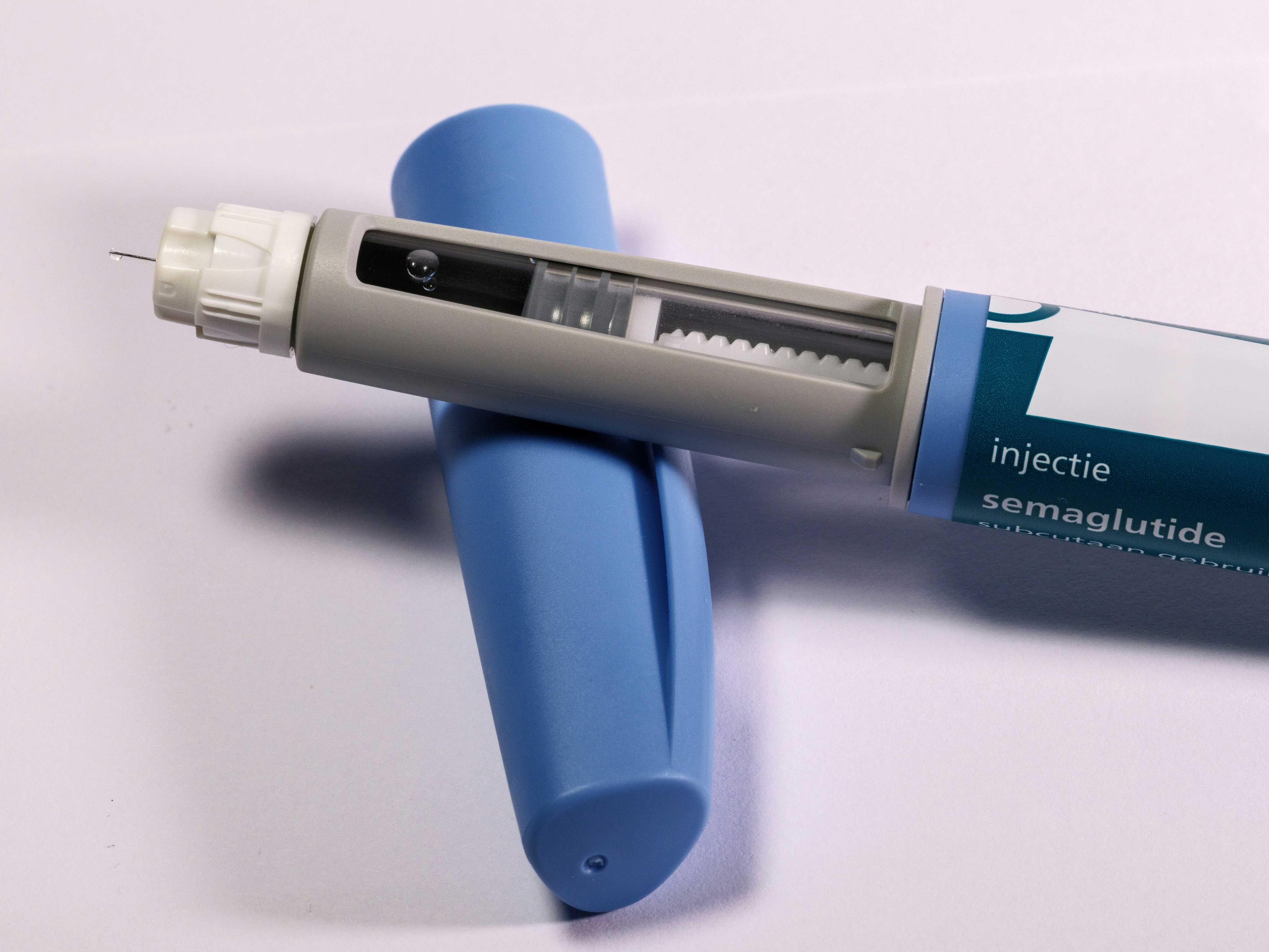
If the terrifying ingredients contained within some weight loss medications, as well as the startling number of counterfeit knock-offs that have flooded the market, don't scare you, perhaps this will: global health officials have issued multiple warnings pertaining to the negative impact on mental health and reduced effectiveness of oral contraception when taking popular weight loss and diabetes drugs, such as Ozempic.
If you have been prescribed a similar drug, you'll want to read this.
If you already experience mental health struggles, and you are taking a drug for weight loss or diabetes, it is imperative that you consult with a primary care provider in conjunction with a licensed mental health professional in order to receive the proper care you deserve.
All of that said, let's dive into the latest warnings about weight loss and diabetes medications, what health officials have to say about their potential impacts, as well as the important information you should know.
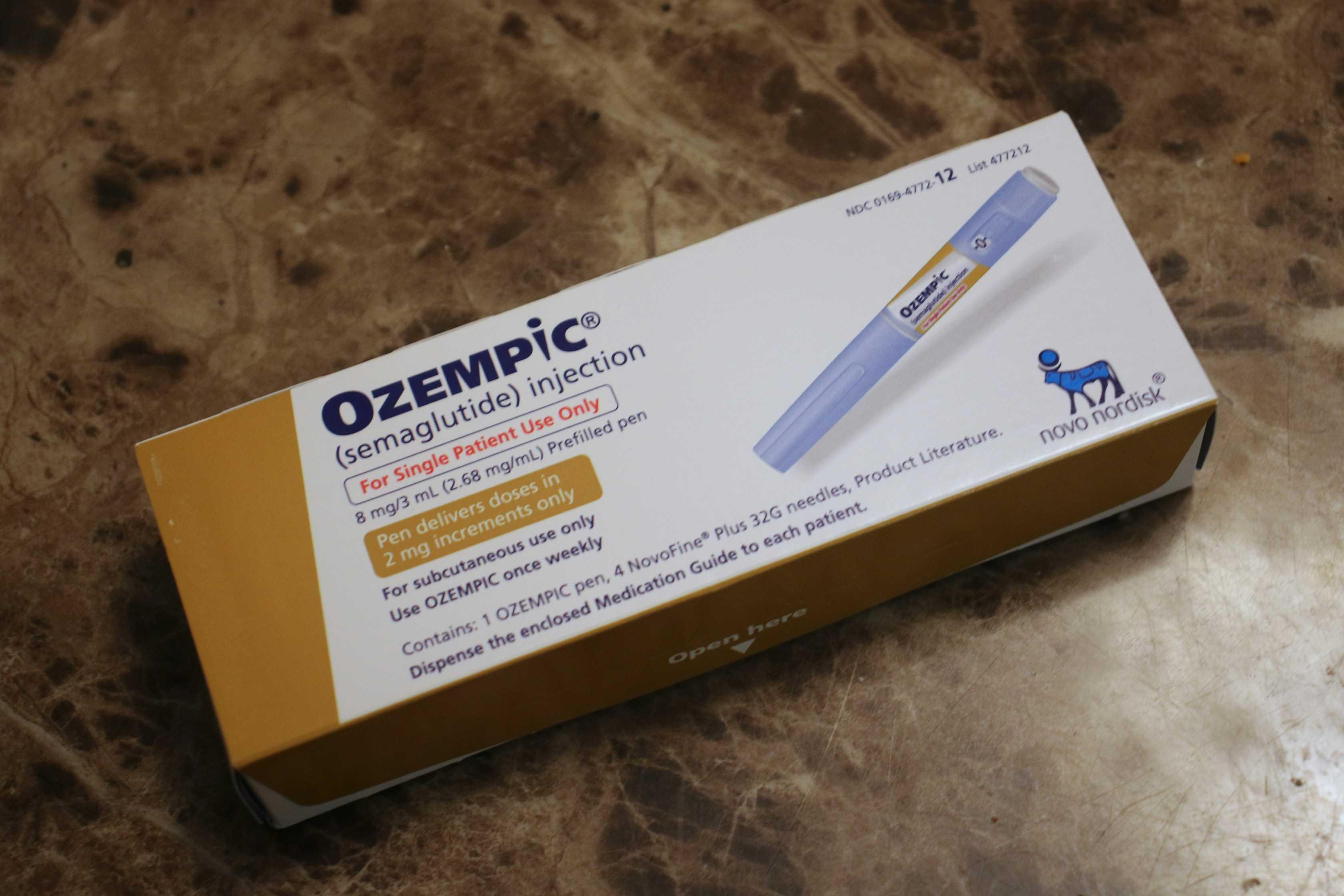
A mental health warning has been issued for weight loss drugs.
According to a startling report in The Guardian, the Therapeutic Goods Administration — a governing body in Australia's Department of Health, Disability, and Ageing — says that suicidal behaviour and ideation have been reported by some individuals who have been prescribed GLP-1 receptor agonists. This class of medications includes popular names like Ozempic, Wegovy, Saxenda, Trulicity, and Mounjaro.
"A 2024 study [analyzed] the World Health Organization’s global database of adverse reactions and found reports of suicidal thoughts were slightly higher than expected for semaglutide, even when compared to other diabetes drugs," according to the report in The Guardian.
Through September, The Guardian reports that the Therapeutic Goods Administration's database contained 72 reports for suicidal ideation, six reports of depression-based suicide, four reports of suicide attempts, two reports of completed suicide, and one report of self-injurious ideation.
Further complicating this data and accompanying warnings is the fact that some health officials believe there is a subset of patients taking GLP-1 receptor agonists who have preexisting mental health concerns.
A warning was also issued for peope who take oral contraceptives while on GLP-1 drugs.
Additionally, the Therapeutic Goods Administration issued a warning that for individuals who take oral contraceptives, there is the potential for the reduced effectiveness of the contraceptive when taken in combination with the first dose, or an increasing dose, of Mounjaro.
"[The Therapeutic Goods Administration] added that none of the GLP-1 RA class of medicine should be used during pregnancy," according to the report in The Guardian.
It appears that this may be related to the process wherein drugs like Mounjaro delay gastric emptying. One health official explained that the delay in gastric emptying, in turn, means that an oral contraceptive pill may not be properly absorbed by the user, thus impacting its effectiveness for those who engage in sexual activities.
This trend, it would appear, has been anecdotally shared across social media platforms.
If you are attempting to get pregnant, or you are engaging in sexual activity without the intent to get pregnant, you should consult a trusted primary care provider either way to discuss how the use of GLP-1s may affect your safety.
As well, if you experience mental health struggles, you must share these concerns with your doctor — especially, as reports indicate, if you are taking certain drugs for weight loss or diabetes.