
Is Hyaluronic Acid Safe for Kids? Here’s What Experts Say About the Skincare Staple
Opinions are mixed between brands and healthcare experts.

Published Jan. 22 2026, 2:37 p.m. ET

We live in an enlightened period of time when skincare routines are prioritized by people of all ages. Indeed, families are now emphasizing skincare products that are safe for kids, demanding dietary supplements that are safe for younger family members, and questioning whether certain self-care staples are safe for kids.
For a super skincare staple ingredient such as hyaluronic acid, families understandably wish to know whether or not it is safe for kids to use on their bodies.
Below, we explore what credible healthcare experts — as opposed to biased brands and influencers — have to say about the safety of hyaluronic acid for use among kids. Of course, families should consult with their trusted family doctor, in conjunction with a pediatric dermatologist, in order to receive the most personalized, well-rounded guidance for their children's safety.
That said, continue reading to learn more about whether or not hyaluronic acid is safe for kids to use on their skin.
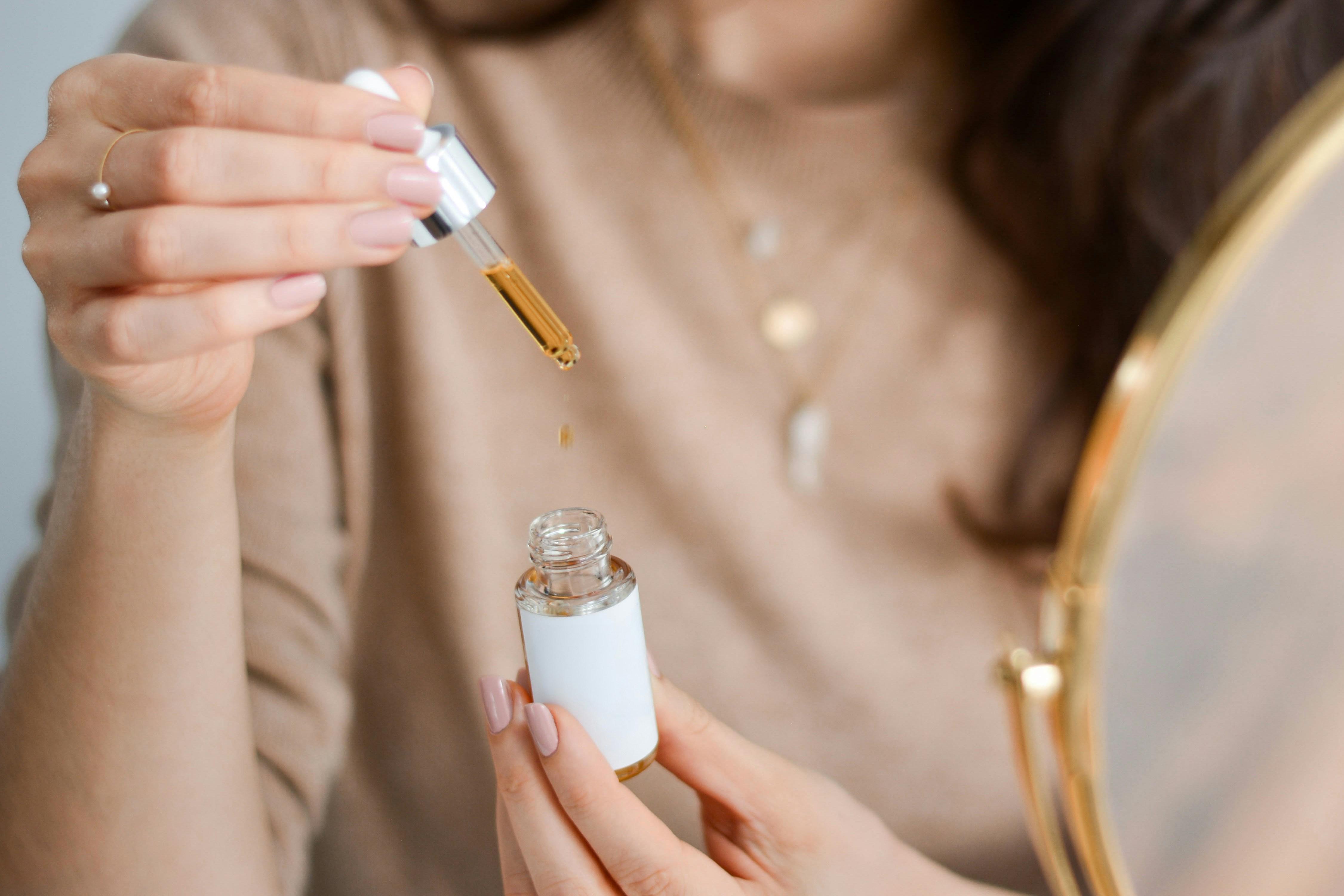
Is hyaluronic acid safe for kids?
Dr. Teresa Wright, MD, the Chief of Pediatric Dermatology for the U.S.-based Le Bonheur Children's Hospital system, notes that: "Preteens have youthful, plump skin and not necessarily many extra dead skin cells to eliminate. Another potentially harmful ingredient is hyaluronic acid, which draws moisture to the skin—but it is a form of acid."
Nevertheless, a dermatologist like Dr. Dustin Portela (who has more than 2 million followers on TikTok) has a video testing products with his daughter.
Opinions are mixed within the healthcare community. The question, therefore, remains: Is hyaluronic acid safe for young kids, or is it not?
Dr. Jennifer Tan and Dr. Jennifer Huang from Boston Children’s Hospital's Dermatology Program say that hyaluronic acid is indeed safe for teens and tweens to incorporate into their skincare routine, especially if those users have dry skin.
Per Dr. Tan, "Hyaluronic acid is a great moisturizing ingredient and promotes hydration. It retains water and helps add moisture to the very top layer of the skin, which can be useful for dry skin. Hyaluronic acid is also suitable for acne-prone skin and sensitive skin."
Dr. Abigail Waldman, a dermatologist at Brigham and Women's Hospital, agrees, telling CBS News: "Steer [teens and tweens] towards a hyaluronic acid serum or even a peptide serum. They are useful to just add a little moisture."
Teens, tweens, parents, and dermatologists continue to post skincare routine recommendations at an astounding rate on social media platforms because they perform so well with users.
As Dr. Daniel Sugai, known to his 1 million-plus TikTok followers as "Dr. SPF," tells his followers, "I am all for the younger generations to start skincare routines early, but I repeat: teenagers don’t need serums with antioxidants like vitamin C and hyaluronic acid. So stay out of Sephora and keep it affordable!"
Ultimately, your child's skincare routine should be informed by their unique chemistry, any health concerns or ongoing dermatological conditions, and the expert input from both a family doctor and pediatric dermatologist.
While popular TikToks from accredited dermatologists may be helpful, informative, or even fun to watch, a doctor who knows your kid's health and history intimately will provide the safest and most accurate care that your child deserves.