
Choline Is All the Rage — Here’s Where To Find the Best Source of the Nutrient
The nutrient is believed to help with everything from brain health to mood regulation.

Published March 30 2026, 6:28 p.m. ET

Every once in a while, a new superfood gets to take the main stage and become the "it" item everyone's talking about. From antioxidant-packed berries to the anti-inflammatory properties of turmeric, every few years we learn about the healing properties of something new. In 2026, the nutrient of the day appears to be choline. This nutrient is believed to be jam-packed with essentials needed to help improve brain function and mood.
And the best part of this one is you may already be eating it.
That's because choline can be found in some super common foods that many of us eat every day. However, not all foods are created equal when it comes to being a good receptacle to get high doses of choline. For example, those with egg allergies may be missing out on choline, while vegans may struggle to find natural sources all together.
But, the good news is that there are other options. Keep reading to find out the best sources of choline and how you can naturally add more of it to your diet.
What are the best sources of choline?
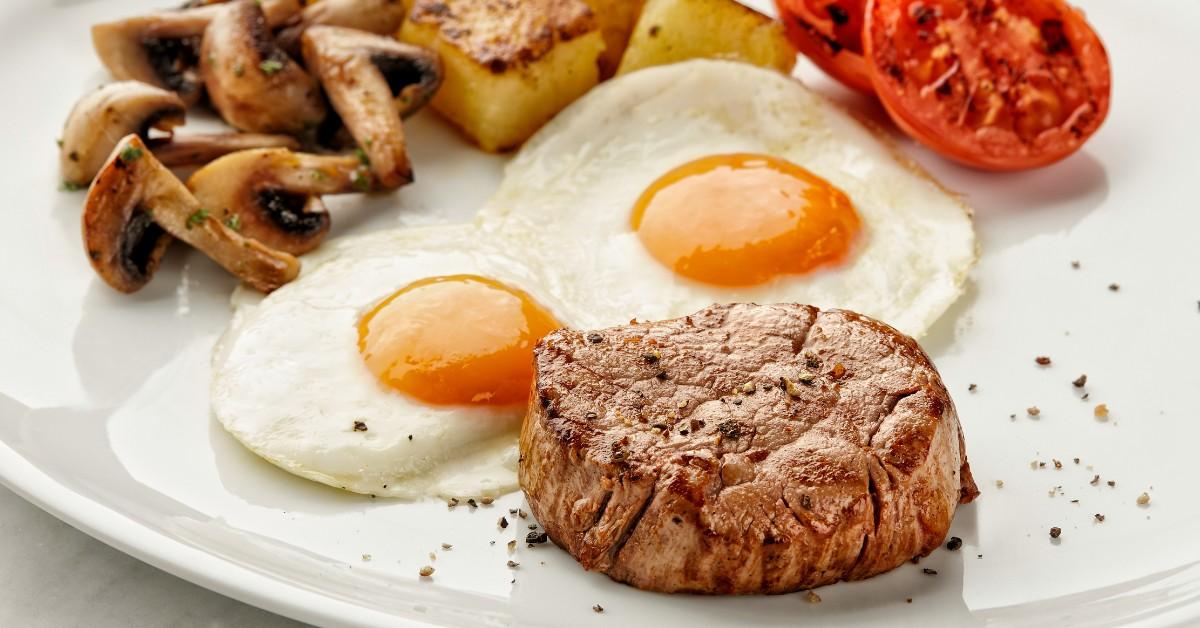
According to a registered dietician who spoke with Real Simple, the best natural sources of choline are things like chicken, eggs, fish, milk, and beef. Obviously, that doesn't work for those who don't consume any animal products or byproducts. Fortunately, it can also be found in certain vegetarian and vegan foods, according to Healthline, and they include:
- Shiitake mushrooms
- Soybeans
- Wheat germ
- Cauliflower
- Broccoli
- Brussels sprouts
- Almonds
- Lima and Kidney Beans
- Red potatoes
- Quinoa
According to Real Simple, an estimated 90 percent of the population isn't getting enough choline through diet alone, which is why it's so important to know where the nutrient can be found so you can be sure you're getting enough of it.
As to why you need choline, well, that's because it's linked to benefits like slowing cognitive decline, improving both memory and mood, and promoting better verbal and visual memory. And as good as it is for your brain, it may be even better for your mood.
What is choline's impact on your mental health?
According to research published in the Nature journal Molecular Psychiatry, research seems to indicate that those with anxiety disorders may have lower levels of choline in their brains than those without, amounting to about an 8 percent difference. While that number may not sound like a huge one, researchers advised against writing it off, noting that even at low levels like that it can make a significant difference when it comes to brain chemistry.
Researchers even went as far as calling choline an "essential nutrient," especially when it comes to mood control. While they are still conducting additional research to see if increasing choline levels in the brain can make a difference in mental health, they do believe there is a discernable pattern there.
That being said, researchers do not advise anyone struggling with anxiety or depression to run out and take choline supplements. Instead, they suggest looking at your diet as a whole and checking to see if you're eating a well-balanced collection of foods that are known to provide choline to the brain — like those omega-3 fatty acids found in salmon — first.