
Do Peptides Live up to the Hype? Find Out More About What These Amino Acids Can Do
Plus, are peptides FDA approved?

Published April 27 2026, 3:33 p.m. ET

If you frequent certain online circles, chances are you've heard of peptides. People are raving about these little amino acids, saying that they can perform a range of functions from controlling blood sugar to helping with the signs of aging. And while many high-profile people have sung their praises and promoted certain brands and products online, there's a growing curiosity about just how effective these chemical chains are.
After all, normally, when something sounds too good to be true, it is.
That has left many wondering whether or not peptides are safe to use. And with some people like Joe Rogan claiming that they help with recovery after injuries, a lot of people just want to know whether they are worth the hype (and investment) and how to decide which ones to use for different needs.
Curious about the effectiveness of peptides? Keep reading to find out everything we know, including what the U.S. Food and Drug Administration (FDA) has to say about these injectables
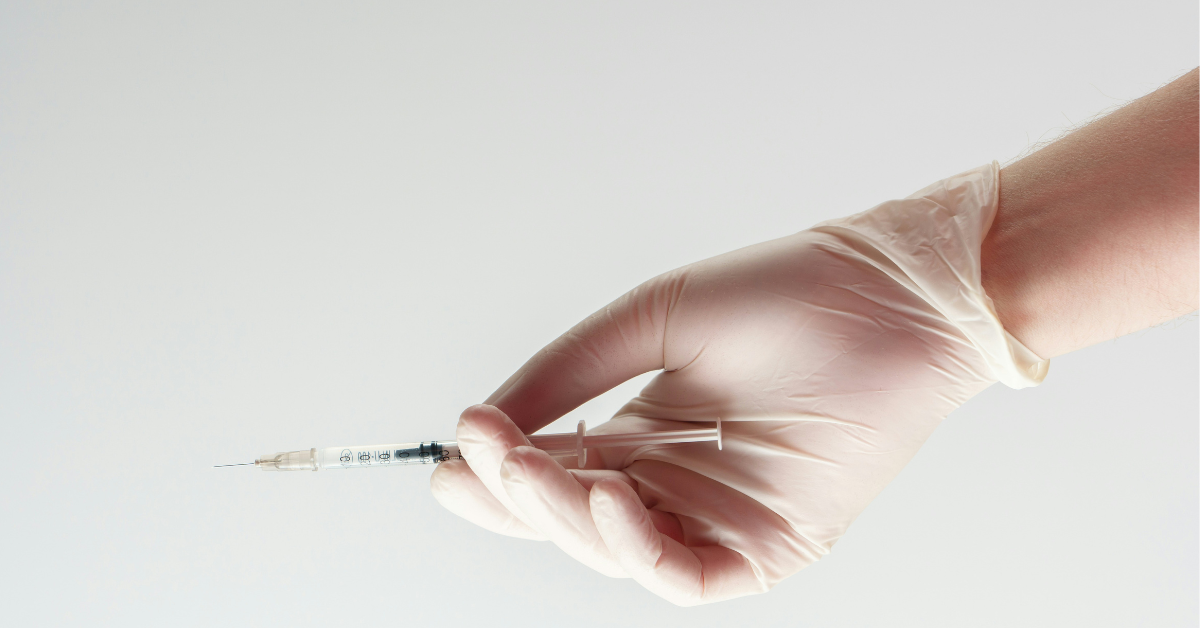
Are peptides safe?
The short answer to whether or not peptides are safe is an easy one: yes. Peptides are naturally occurring in the human body, and by and large, they are safe to use. In fact, they can already be found in many prescription drugs, including those used to control blood sugar or stimulate weight loss, like Wegovy and Mounjaro, according to The Guardian.
That being said, not all peptides are created equally, and there are likely some on the market that lack FDA testing and approval.
Are peptides the same as steroids?
While Game Day Men's Health notes that peptides and steroids can often be discussed together, the two compounds are not exactly the same.
Peptides are made up of short chains containing amino acids, which are used as a signal within the human body. Essentially, they act as messengers and they work with your cells to keep them on the right track when it comes to things like cell communication, regulating hormones, and even helping with your sleep cycle.
Steroids, on the other hand, can be made of both natural or synthetic compounds, and in the case of anabolic steroids, they are designed to mimic testosterone or testosterone-like compounds that will allow you to quickly build bigger muscles and recover faster from injuries.
This is, of course, different than corticosteroids (such as prednisone), which are used to help suppress the immune system and reduce inflammation. Unlike anabolic steroids, these don't help with muscle mass development.
Are peptides FDA approved?
Some peptides, like those used in GLP-1 drugs that are already on the market, have received approval; others have not. PBS notes that Robert F. Kennedy Jr. plans to have a meeting with the FDA during the summer of 2026, where he is expected to push for the easing of the restrictions placed on more than a handful of peptide injectables.
The Health and Human Services Secretary is an open supporter of peptides, perhaps hinting at his willingness to support more widespread use.