
Do You Know Which Foods Actually Go in Your Refrigerator's Crisper Drawer?
You're probably storing the wrong items in there.

Published Dec. 18 2025, 3:31 p.m. ET

There are few things worse than buying fresh produce, and then having it go bad before you ever get a chance to enjoy it. While some people may know that there are ways that you can store your produce that will make it last longer, depending on what type it is, there's actually a secret weapon for keeping your fruits and veggies looking and tasting their best for longer, and it's likely already in your home.
Your refrigerator's crisper drawer is designed to help with this very problem.
Of course, the trick to getting the most out of the drawer that is found at the bottom of your refrigerator involves knowing what foods go in your crisper drawer.
Once you figure that out, you'll need to learn how to adjust the drawer's settings to maximize the benefits. After that, you should be able to keep your produce fresh for a little while longer, giving you more opportunities to add those essential fruits and veggies to your diet to help you stay healthy and fit.
What foods go in the crisper drawer?
Before we get started, it's important to understand what a crisper drawer is. The crisper drawer is the name for one of the two bottom drawers in your refrigerator. These bins often include controls that allow you to make adjustments for airflow or humidity, according to AllRecipes. This is important because it helps to control the levels of ethylene gas, which is released by some foods as they begin to ripen.
This gas can speed up the ripening process for some foods (like lettuce), which makes them go bad more quickly. Having the ability to control the presence of this gas and other variables can help you keep your food fresher or help speed up the ripening process, depending on whether you increase or decrease airflow.
Most fridges will have a high humidity option and a low humidity option. The low-humidity drawer should be reserved for all fruits other than berries and watermelon.
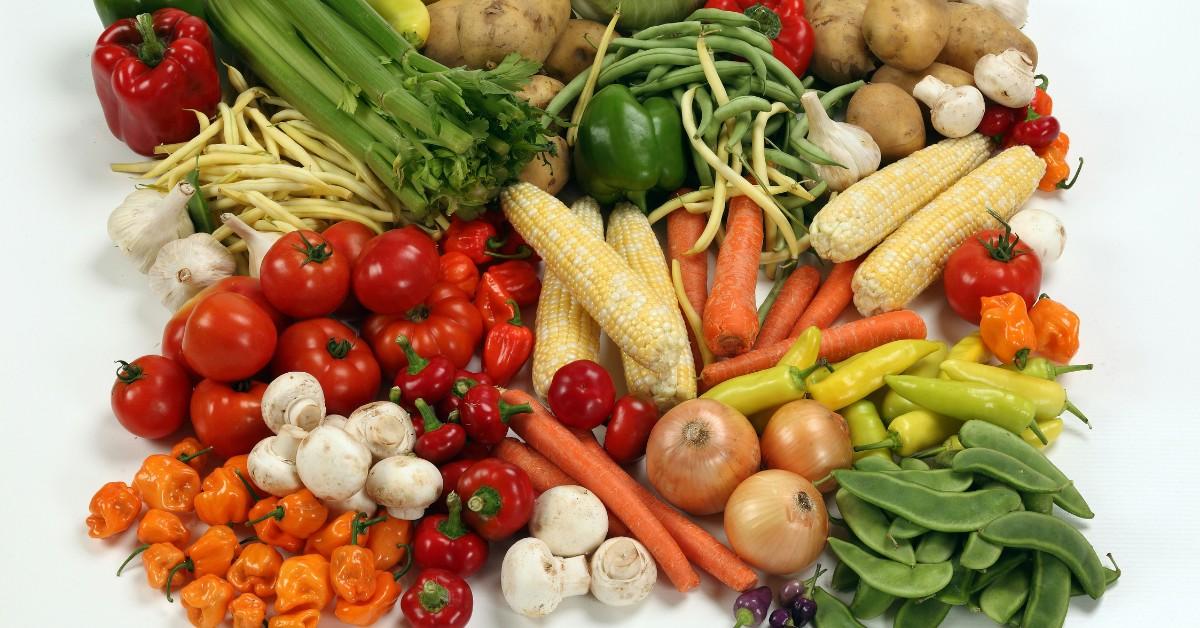
Your high-humidity drawer should include fruits and veggies with thin skin, like lettuce, asparagus, eggplant, and similar foods. You can also stash your fresh herbs here.
Now, you may have noticed that this essentially breaks the crisper drawer into two separate categories: Fruits and Vegetables. This would be an easy way to remember what goes where, and for the most part, it would be correct. However, no matter how you decide to use your drawers, it's important not to overfill them.
What are the settings for your crisper drawer's fruits and vegetables?
As we mentioned, those high-humidity-loving vegetables should go in one drawer, while the low-humidity fruits should go in another. However, some appliances allow you to set the settings yourself. On the simpler models, this means sliding your vent open or closed (remember, a closed vent will lead to higher humidity while an open one will lead to lower levels).
With more complex "smart" refrigerators, these changes can be made using a digital keypad. In these cases, it's best to consult your owner's manual before making any changes to the humidity levels.