
The 2026 Dirty Dozen List Is Out — Here Are the Most Contaminated Fruits and Veggies
More than half of the samples of kale that were tested contained cancer-causing pesticides.

Published March 25 2026, 1:18 p.m. ET

Savvy shoppers know the best way to keep their bottom line on point is to budget carefully and make a plan before heading to the store. However, there are those who like to go a step further and research some of the health benefits of the food they are purchasing for themselves and their families before heading out.
For those who place a premium on eating clean, there's really no better resource than the Environmental Working Group's (EWG's) annual Dirty Dozen list.
This report breaks down the fruits and vegetables that have the highest pesticide contamination. The 2026 Dirty Dozen list has been released, and of the 47 popular produce items tested, the EWG says that there are 12 that are among the highest offenders when it comes to pesticide levels.
EGW has shared this list, along with a companion piece that gives shoppers an idea of what the "Clean Fifteen" foods are — a list of low pesticide foods — to help you shop smarter. Here's what they have to say.
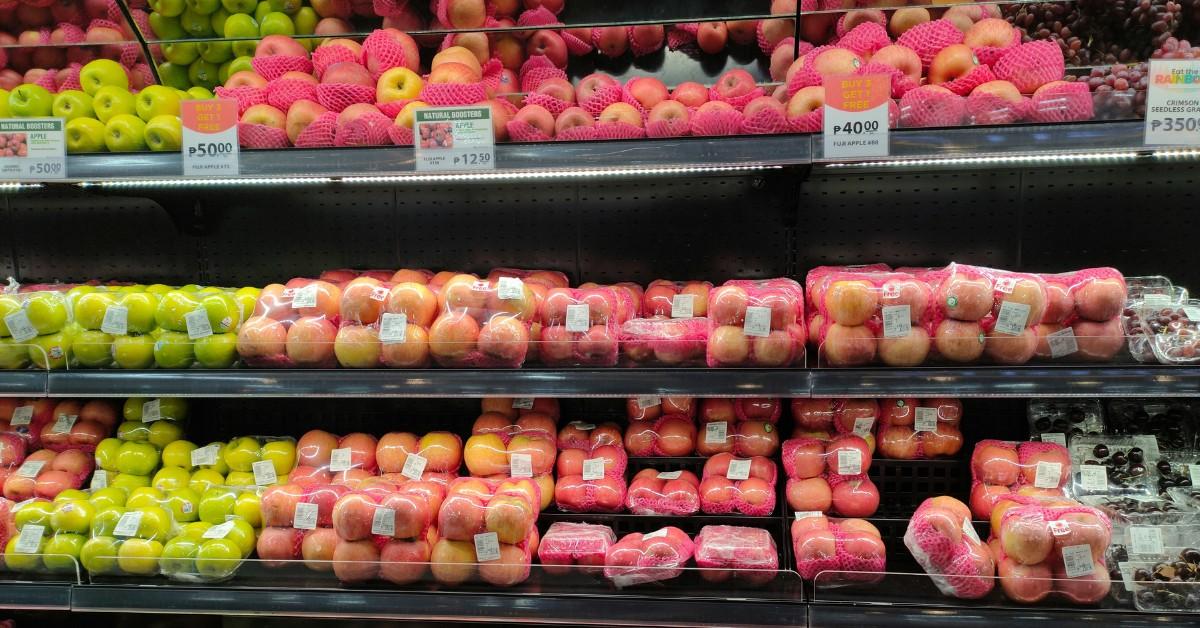
The EGW has released the 2026 Dirty Dozen list.
EGW went public with its 2026 list on Mar. 24, 2026, sharing it on its website and on social media. According to them, these are the 12 fruits and veggies that were deemed to be the ones "most contaminated with pesticides," and they include:
- Spinach
- Kale, collard, and mustard greens
- Strawberries
- Grapes
- Nectarines
- Peaches
- Cherries
- Apples
- Blackberries
- Pears
- Potatoes
- Blueberries
"Spinach has more pesticide residues by weight than any other type of produce," a note about the list said.
Meanwhile, more than half of the samples of kale that were tested contained possibly cancer-causing pesticides.
Another notable finding was the one about blackberries, since the EWG says that blackberries were new to the list after getting tested by the U.S. Department of Agriculture for the first time since 2023. Pears were also determined to be among the most contaminated fruits on the list, while potatoes earned that title in the vegetable category.
The EWG's Clean Fifteen list has also been released.
The Clean Fifteen list was also shared by EWG, and it featured 15 fruits and veggies with lower levels of pesticides. According to an Instagram post about the findings, these are the fresh foods with the lowest levels of all of the ones that were tested:
- Pineapple
- Sweet corn (both fresh and frozen)
- Avocados
- Papaya
- Onion
- Sweet peas (frozen)
- Asparagus
- Cabbage
- Cauliflower
- Watermelon
- Mangoes
- Bananas
- Carrots
- Mushrooms
- Kiwi
According to EWG, almost 60 percent of these items had no traces of pesticides at all.
Some other notable things about the Clean Fifteen list include the fact that cauliflower and mangoes both moved up on the list, which means their levels of pesticide residues have gone down since the last round of testing.
While the EWG notes that this information should be shared so that shoppers can make informed decisions about what they buy, the group doesn't want this information to dissuade anyone from reaching for fresh fruits and veggies when they're looking for a healthy option.
"Fruits and veggies are essential to a healthy diet – however they’re grown," the caption on the Instagram post about the lists said. "And with prices up on just about everything, what matters most is buying the produce you can access and afford." That being said, those who can afford to splurge on groceries should opt to buy the organic versions of some of the biggest offenders, opting for traditionally grown produce from the Clean Fifteen list.