
Sustainability Isn’t a Category Anymore — It’s a Standard
Consumers don’t need to overhaul their lives. They’re just asked to make slightly better choices.

Published May 8 2026, 1:18 p.m. ET

Not long ago, sustainability felt like something you had to go out of your way — and your budget — to support. Whether it was niche sweeteners, specialty milks, or shampoo bars, they often came with a price tag that made you pause.
These days, it looks a little different.
Sustainability is showing up in places you don’t necessarily expect: in your morning coffee, your dog’s daily routine, your gym equipment, and even in the parts keeping your car on the road. More often, it’s happening quietly and without the branding spectacle.
From coffee to pet care to beauty and beyond, a new wave of companies is offering a glimpse of a future where sustainability isn’t a niche category, but the baseline.
Sustainability That Goes Beyond the Product
For many brands, sustainability starts with sourcing. But increasingly, it’s about the entire system behind the product.
Fresh Roasted Coffee offers a clear example of this approach. The Pennsylvania-based company not only operates a solar-powered roasting facility, but also builds sustainability into its supply chain. Its coffees are roasted fresh to order using energy-efficient Loring™ Smart Roasters, then immediately packaged, nitrogen flushed, and shipped directly to customers to preserve freshness and reduce waste.
That means your coffee isn’t sitting on a shelf for weeks. Instead, it’s roasted, packed, and shipped while it’s still at peak drinkability, helping reduce waste by producing only what’s needed, when it’s needed.
That focus on process is paired with transparency: the company publishes monthly sustainability reports detailing energy production and estimated carbon impact. It’s the kind of behind-the-scenes work that doesn’t always make headlines, but arguably matters more.
Everyday Essentials, Reimagined
In other cases, sustainability shows up in the smallest, most routine parts of daily life.
Take Earth Rated, a company known for its best-selling poop bags. It’s a product category most people don’t spend much time thinking about. But across millions of pet owners, those everyday items carry real environmental weight.

By using materials like 65% certified post-consumer recycled plastic and focusing on performance with a leak-proof design, the brand makes it easier for consumers to make better choices without changing their habits. Beyond bags, its lineup extends to grooming wipes and pet toys, applying the same material and design philosophy across categories.
When sustainability fits into daily life, that’s when it really starts to scale.
Self-Tan Meets Skincare
In beauty, sustainability is increasingly tied to ingredient transparency and product formulation, not just packaging.
NUDA approaches sunless tanning through a skincare lens, infusing its formulas with botanicals, oils, and antioxidants designed to nourish the skin while delivering that post-vacation glow (minus the actual sun exposure). Its products are vegan and Leaping Bunny-certified, aligning with growing expectations around cruelty-free and clean beauty standards.

Products like these are helping shift consumer expectations, showing that a product can deliver results, feel good on your skin, and still align with your values.
Circular Design in Everyday Fitness
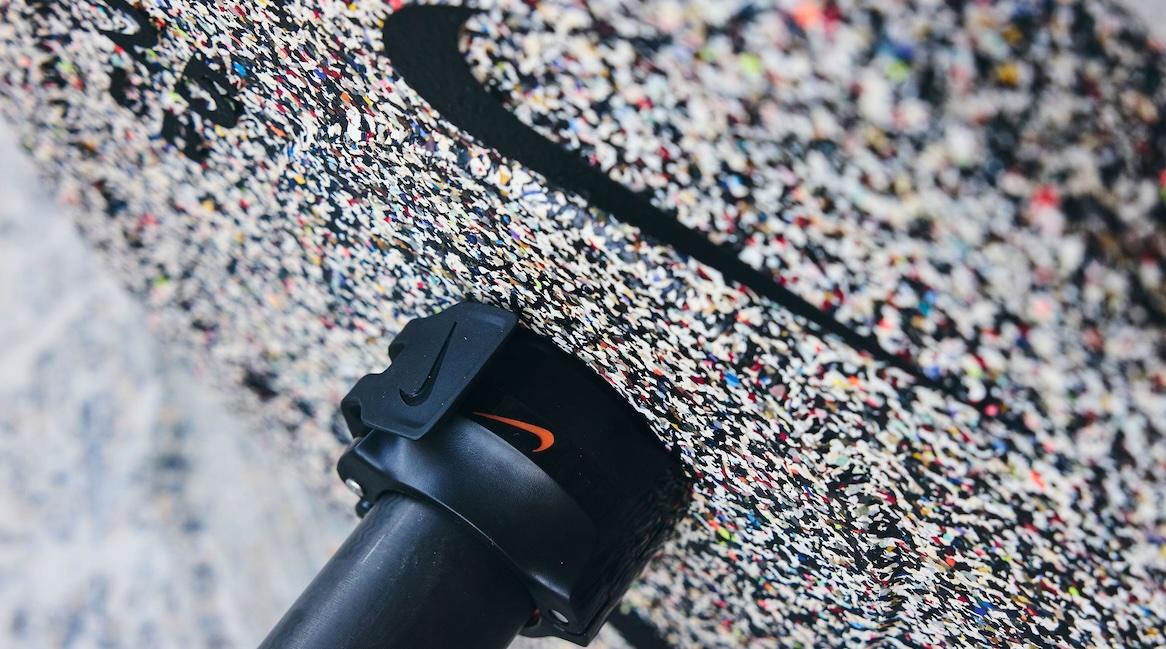
Even established brands are rethinking how materials can be reused at scale.
Nike Strength incorporates Nike Grind rubber, made from recycled footwear manufacturing waste, into products like its dumbbells. The result is equipment that not only reduces material waste but also carries a distinct visual identity, with flecks of color pulled from past shoe designs.
It’s a small but tangible example of how waste can be reworked into something functional, built to last, and even a little more visually interesting.
Sustainability Built Into the System
Not all sustainability is visible to consumers. In some cases, it’s embedded in the infrastructure that supports everyday life.
That’s the case with Team PRP, which connects more than 350 automotive recyclers into a standardized national network. By making recycled original equipment manufacturer (OEM) parts more accessible, the organization helps extend the life of vehicles already on the road.
It’s not the flashiest example of sustainability, but it might be one of the most impactful. Keeping parts in circulation reduces waste and lowers the need for new manufacturing, all while helping people keep their cars running longer.
Sustainability, Without the Label
There was a time when “sustainable” felt like a category you had to seek out. Now, it’s increasingly something you expect, even if you’re not consciously thinking about it while buying coffee, cleaning up after your dog, or picking up a set of dumbbells.
That said, we’re not quite there yet. Fast fashion still dominates. Cheaper, less sustainable options are often the default. In the end, price still matters. Convenience still matters. And for most consumers, sustainability isn’t always the deciding factor (at least not yet).
So yes, the idea of sustainability as a true “standard” might still be aspirational. But more and more brands offer a glimpse of what a more conscientious future could look like.
Consumers don’t need to overhaul their lives. They’re just asked to make slightly better choices. And over time, as those options become more accessible and the price gap continues to shrink, that “standard” starts to feel a lot less like wishful thinking and a lot more like the direction things are actually heading.