
Ebola Outbreak Has Sickened Hundreds and Killed Dozens in the Congo
Researchers are working to determine what type of strain this is.

Published May 15 2026, 3:23 p.m. ET

There are few illnesses and diseases that can strike fear into the hearts of experts simply by hearing their names, and Ebola has to be near the top of that list. This highly contagious and deadly disease has been around since it was first identified in 1976 in the Democratic Republic of the Congo (DRC).
Africa's Centers for Disease Control and Prevention (Africa CDC) is monitoring the situation, which is unfolding in a remote part of the Congo that is the center of many armed conflicts.
This presents an added layer of complication for officials who worry that the disease could quickly spread due to fighting, population movement, and the close proximity this area has with some neighboring areas that are part of some of the region's larger hubs.
While nobody likes hearing the word "outbreak" post-Covid, it's always important to stay aware of what is going on, especially when these type of illness clusters start to pop up. Here's everything we know about the new Ebola outbreak.
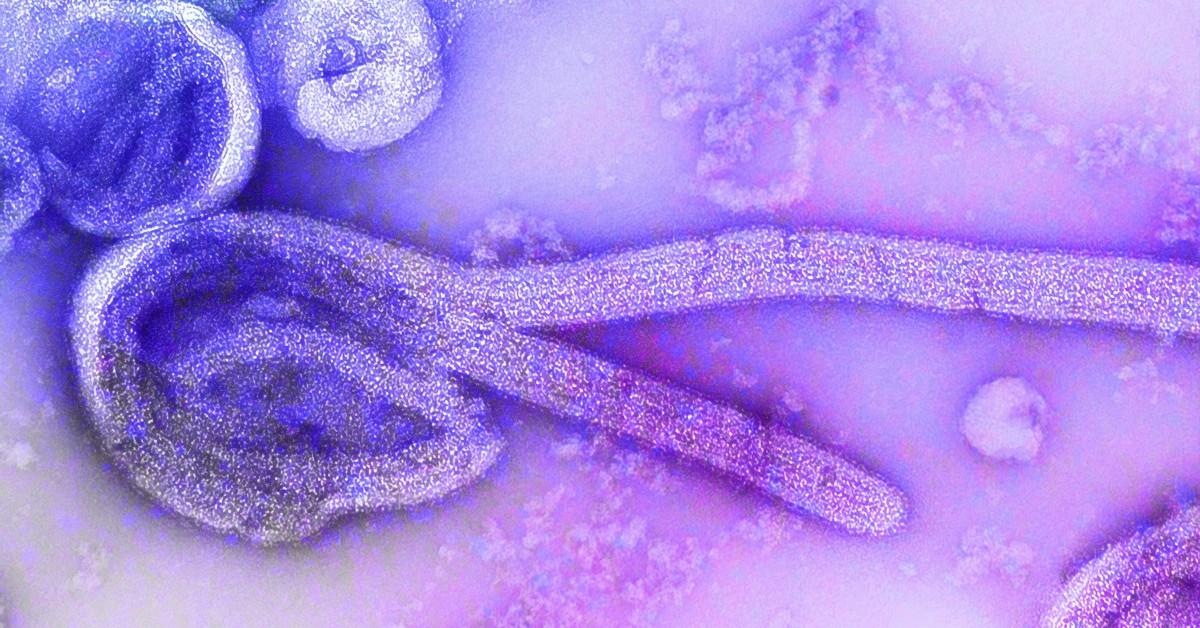
There's a new Ebola outbreak in the DRC.
Ituri's Mongwalu and Rwampara health zones are experiencing an Ebola outbreak, according to PBS. As of the time of publication, there were 246 suspected cases of Ebola and 65 deaths. And while only four of those deaths have been confirmed by laboratory analysis, experts in the region feel safe in declaring this an outbreak.
Ituri is located in a very rural part of the DRC with poor infrastructure and roads, and it's about 620 miles from Kinshasa, the nation's capital.
However, the rural location doesn't isolate the surrounding area. African CDC is worried that the proximity between Ituri and neighboring areas, especially Uganda and South Sudan, can lead to further spread. This, coupled with the fact that there is a large number of people moving through the region as they try to avoid armed groups, could cause the virus to spread.
As of now, officials aren't sure what type of strain they are working with, and whether their vaccine will be effective.
What does Ebola do to the body?
Ebola is caused by a virus known as hemorrhagic fever, according to Johns Hopkins Medicine. Once infected, it can cause severe inflammation throughout the body, damaging soft tissues as it spreads. The infection can cause clotting issues, which lead to uncontrolled bleeding, sometimes creating a frightful scene for caregivers and the sick.
This condition can also cause organ failure, brain inflammation, seizures, shock, and eventually death. Unfortunately, Ebola is very hard to treat.
And while officials have FDA-approved monoclonal antibody treatments that are effective against the Zaire strain, there are six known species of the virus. Johns Hopkins notes that there are only four that can affect humans (the Zaire strain among them), but officials have yet to declare what type of strain the new Ebola outbreak stems from, potentially making it that much harder to treat.
Fortunately, experts are working diligently to treat the ill, contain the infected, and stop the spread.