
NASA Debuts Plans for the World’s First Permanent Moon Base
The agency hopes to have the base built before the end of Donald Trump's term.

Published March 25 2026, 3:49 p.m. ET

For just about as long as space travel has been possible, people have theorized about what it will take to develop the first off-Earth settlements. And while some imagined us floating around in massive space stations that travel through space and time, others have theorized that we'll end up with permanent settlements on more hospitable planets in our solar system.
While the most preferable idea would be to find a second Earth to start, it looks like NASA has its sights set on someplace closer.
That's because NASA has announced its plans to build a permanent moon base. The space agency shared its very expensive plans at the Ignition event on Mar. 24, 2026, highlighting its plans and explaining why America needed to be among the first to colonize space.
These plans have been in talks for quite some time, however the real announcement included the space agency's planned timeline for this impossible sounding mission, as well as the eye popping price tag it says will come along with it.
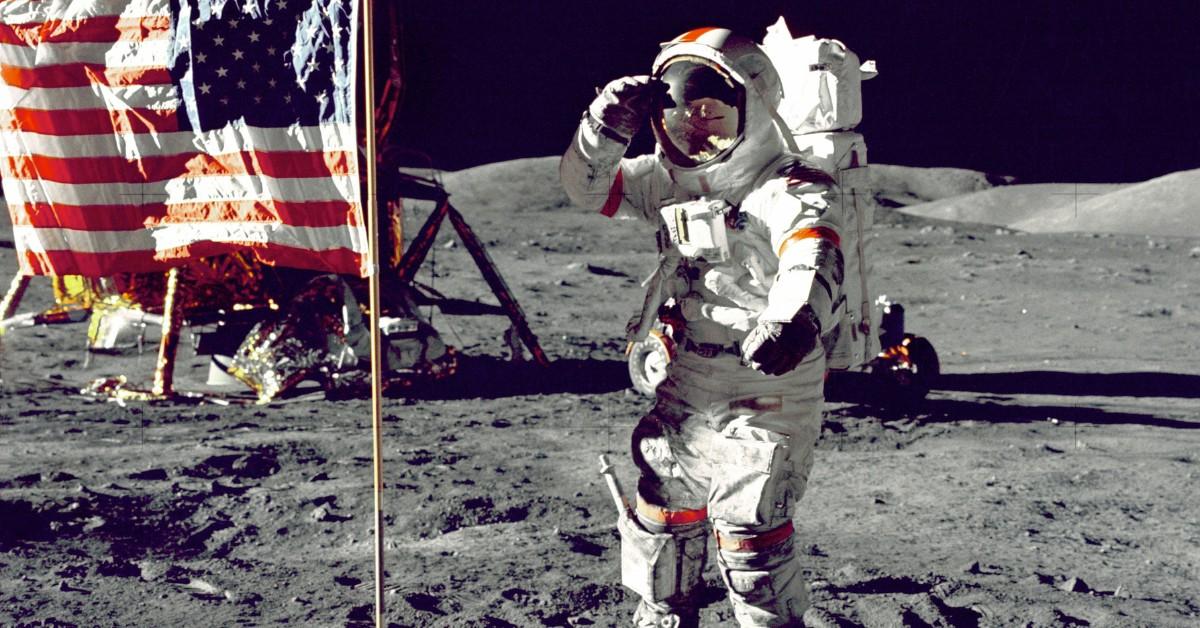
NASA has announced plans for a $20 billion permanent moon base.
According to ABC News, NASA Administrator Jared Isaacman spoke to a packed room during the Ignition event, where he said that NASA planned to spend $20 billion getting Americans back in space and settled on the moon. Isaacman said that this plan would not only include the framework of the new base, but it would establish America as a leader in space.
The administrator spoke with world leaders from 35 countries as well as U.S. Congress members as he described his plans.
What will it take to build NASA's moon base?
The plan to construct the moon base was also shared by Isaacman, who said that NASA would begin this project with Artemis IV and Artemis V. After these ships land on the moon, NASA plans to send new astronauts to the moon every six months after, using the help of some commercial space agencies as well, which will allow them to gradually build a long-term base where people can live and work on the moon's surface.
This is a break from the agency's previous Gateway plans.
The agency formerly said that it would use a space station to orbit the moon while building the moon base. But now, due to the race against time to get there and begin establishing construction before Chinese astronauts, NASA says a full pivot is necessary to ensure its plan's success.
What is the timeline for NASA's moon base?
Isaacman shared NASA's three-step plan for the moon settlement, which begins with phase one testing. During this time, the agency will work with commercial partners to send the technology and materials to the moon to test things like communications, tools, and navigation.
From there they will move on to phase two, which will include building semi-habitable structures on the moon. After that comes the final phase, which includes establishing a lot-term presence.
This will involve building larger vehicles and habitats, which will enable the agency to transition away from those shorter trips into a permanent settlement on the moon.
As for the timing, it looks like the Artemis launches aren't slated until 2028, but Isaacman is hopeful that things will move quickly after that happens, and would like to see this project started before the end of Trump's final term in office.