
NASA Plans to Set First Nuclear Reactor on the Moon — But Two Major Countries Are Also in the Race
Published Jan. 16 2026, 4:08 a.m. ET

An astronaut on the moon standing next to an American flag.
NASA is aiming for the sky quite literally. The plan to put nuclear reactors on the moon and around its orbit has been confirmed by the agency and the U.S. Department of Energy (DOE). In mid-January 2026, they renewed their commitment to support the development of a fission surface power system for use on the lunar surface. Setting up nuclear reactors will be the first step toward a larger goal: NASA's Artemis program. The Fission Surface Power Project aims to support the goal of establishing a permanent human presence on the lunar surface and conduct research for future crewed missions to Mars. The signed memorandum is a testament to America's efforts in enhancing space exploration and aligning with President Donald Trump's vision of American space superiority.
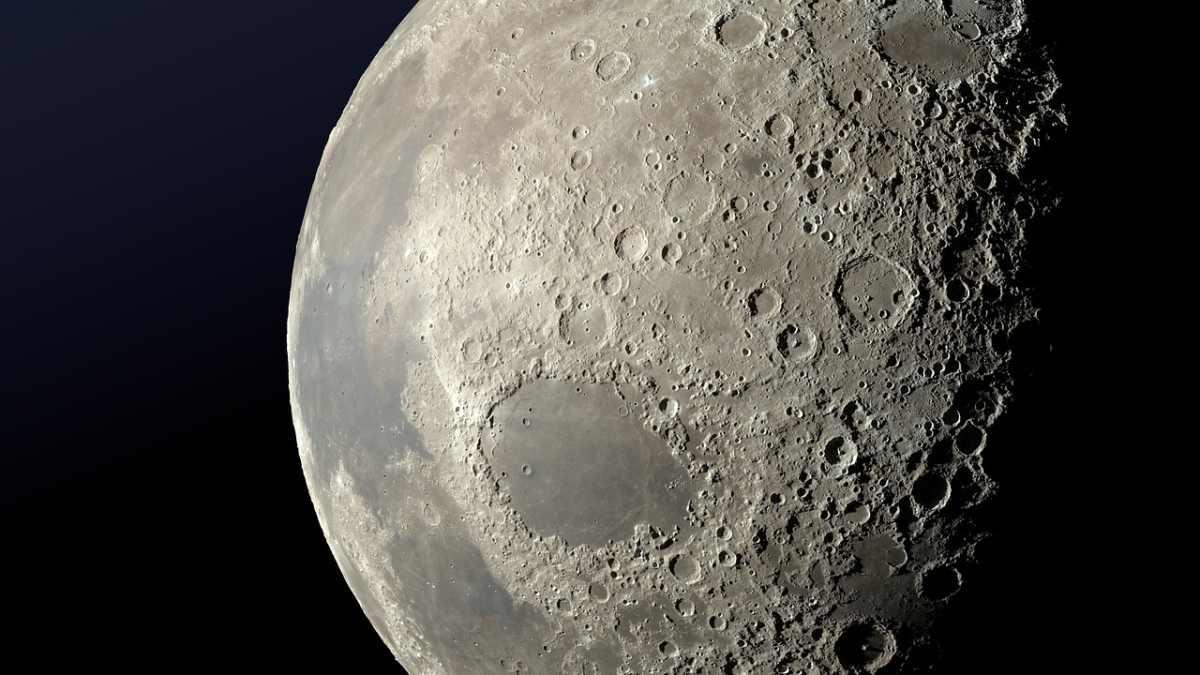
A close-up view of the far side of the moon.
"Under President Trump's national space policy, America is committed to returning to the Moon, building the infrastructure to stay, and making the investments required for the next giant leap to Mars and beyond," said NASA Administrator Jared Isaacman, per NASA. "Achieving this future requires harnessing nuclear power," he added. In addition to setting up nuclear reactors on the moon, the project will also initiate development of a lunar surface reactor by 2030. However, America is not the only country to achieve this feat; two other countries are in the race to accomplish it. Russia also plans to put a nuclear power plant on the moon within the next 10 years with the aim to set up a joint Russian-Chinese research station, as per Reuters.
In 1961, Yuri Gagarin, a Soviet cosmonaut, became the first human to go to space in a historic moment. It highlighted Russia's dominance in space exploration at that time. However, over the years, the country has been falling behind the U.S. and China in spatial missions. The crash of the crewless Luna-25 spacecraft on the moon in 2023 was a major setback to Russia's ambitions. Now, in collaboration with China, Russia plans to establish a permanently functioning lunar station to set up a base for future long-term explorations. "We're in a race to the moon, in a race with China to the moon. And to have a base on the moon, we need energy," said U.S. Transport Secretary Sean Duffy. Two powerful countries have joined hands against NASA and the U.S. DOE's joint venture and declared a "race" to the moon.
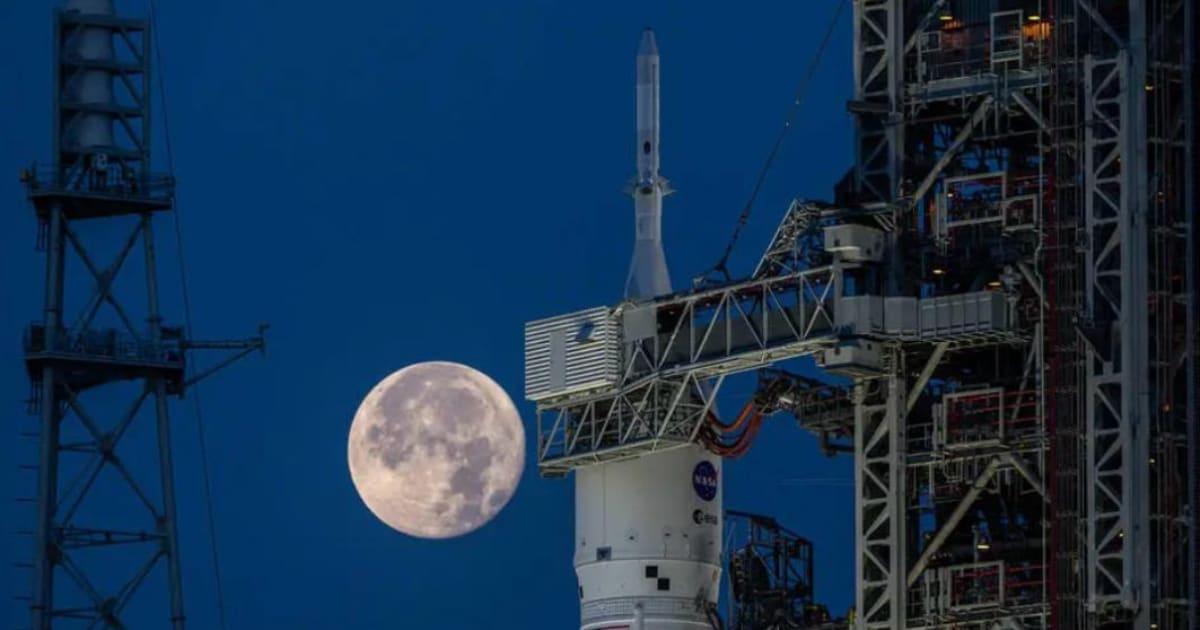
A snapshot of Artemis I SLS (Space Launch System) rocket and Orion spacecraft at Launch Complex 39B at NASA’s Kennedy Space Center in Florida
America is confident of setting up a lunar space station and bringing the country to the forefront of space explorations. "History shows that when American science and innovation come together, from the Manhattan Project to the Apollo Mission, our nation leads the world to reach new frontiers once thought impossible," said U.S. Secretary of Energy Chris Wright. "This agreement continues that legacy," he added. Wright believes that the epic collaboration between the DOE and NASA will produce one of the "greatest technical achievements" in the history of space missions. That being said, the Russia-China partnership seems equally promising, with both countries feeling determined about the goal and the endless possibilities it could produce.
Regardless of who wins the race, establishing a lunar space station would be an indisputable feat. Isaacman believes that the collaboration between the U.S. DOE and the space agency will eventually bring about the "Golden Age of space exploration and discovery." The successful establishment of a fission surface power system producing safe yet efficient electrical power will allow it to operate without the need for refueling.