
Sleep Apnea Sufferers May Soon Be Able To Reach for a Pill To Deal With Their Condition
A European clinical trial is showing promising results.

Published March 13 2026, 6:35 p.m. ET

Has anyone ever told you that you snore? Or perhaps, commented about how you sleep with your mouth open, or about how you appear to stop breathing during the night? If so, you may have sleep apnea. The condition isn't an entirely uncommon one, and it causes disruptions to your sleep due to things like blockages in your airway and other health conditions.
While some who experience sleep apnea may not be aware of it unless someone makes a comment about their sleep, others may feel its effects.
That's because sleep apnea can cause symptoms over time. Those facing some of the more unpleasant side effects — like waking without feeling rested — may head to the doctor for treatment. But a lot of people find that the cure is worse than the disease, so to speak, since CPAP machines are commonly prescribed to help.
Researchers say that there may be other options on the horizon, after they have had success with clinical trials using an epilepsy drug as treatment for sleep apnea.
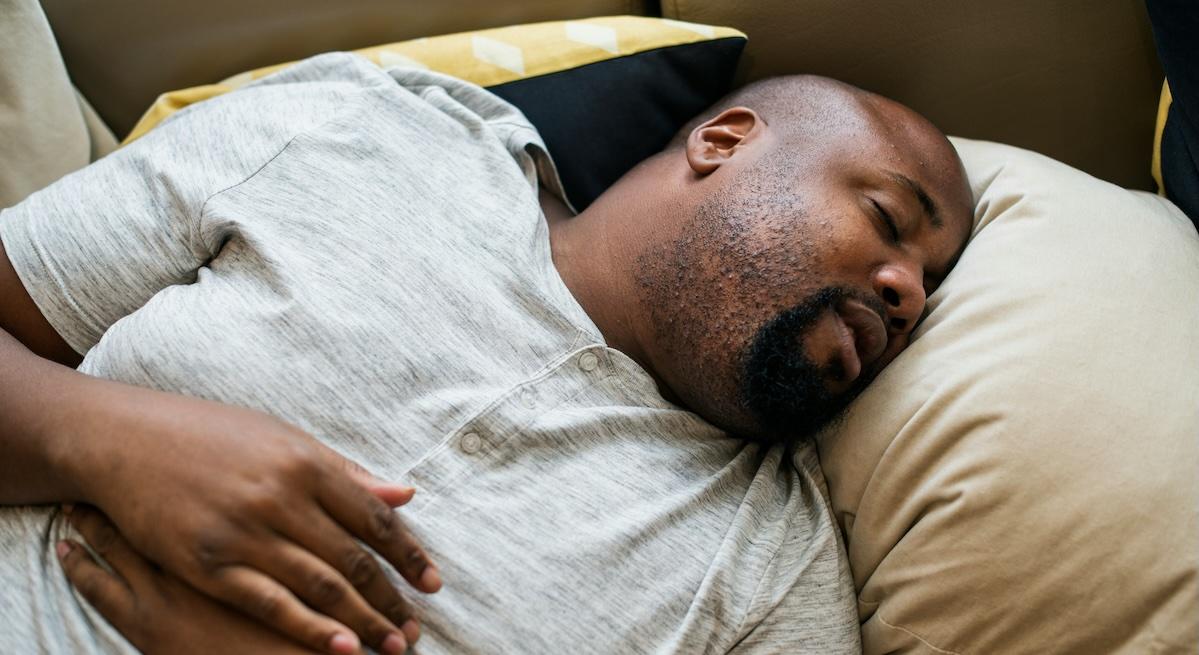
A clinical trial in Europe has had success with using an epilepsy medication to treat sleep apnea.
Science Daily reports that a European clinical trial found that people taking sulthiame for their moderate to severe sleep apnea experienced fewer breathing interruptions than those who didn't. According to the study, recipients of the drug saw 47 percent fewer breathing pauses, which led to improved nighttime oxygen levels.
As such, researchers believe that the drug, which is traditionally used to treat epilepsy in children, could be an alternative to using CPAP machines.
The study involved 298 people, and it was carried out across four different European countries as part of a double-blind study. Experts believe that research participants saw better results due to the drug's ability to help stabilize breathing and increase respiratory drive, lowering the risk of upper airway collapse during sleep.
If researchers are able to get the medication approved for this new use, it could be a game changer for those who have obstructive sleep apnea.
What is sleep apnea?
If you've never heard of sleep apnea before, it can sound like a terrifying condition. But, according to the Cleveland Clinic, it's actually quite manageable once you get diagnosed.
As we mentioned, sleep apnea can cause interruptions in breathing due to airway collapse (this is known as obstructive sleep apnea) or because your brain isn't working to control your breathing during sleep as it normally should (this is known as central sleep apnea).
Both types trigger your body to wake up during these episodes, disrupting sleep in the process. If left untreated, sleep apnea can lead to undesirable symptoms, like fatigue, trouble concentrating, headaches, and more. If your sleep apnea goes untreated for long enough, symptoms can not only become more pronounced, but you may also begin to experience other issues, like issues with your heart.
As such, many doctors will prescribe a CPAP machine to help keep your airway open at night.
Of course, this machine can often feel worse than the symptoms to some people, since it involves sleeping with a breathing apparatus over your mouth that hooks up to a machine that can be noisy for you and those in your home. A pill could make sleep apnea treatment more accessible, which would make it so more people could comfortably receive help with the condition.