
The Role of Data Science in ESG & Sustainability Reporting
Being sustainable isn't just about putting out a report once a year.

Published March 6 2026, 1:33 p.m. ET

A few years ago, companies did ESG reporting because they felt like they had to. Now, it's a bigger deal. The rules are getting tighter, investors are asking harder questions, and just saying you’re going to do “something” in the future isn’t good enough. We're talking numbers, solid evidence, and a narrative that stands up to scrutiny.
This shift has elevated data as a crucial component for sustainability. You have to be able to measure something in order to report it — and you can’t measure it well if you’re not equipped with good systems and a clear plan. This is where data science is useful. It enables companies to stay on top of what is actually happening, identify issues earlier and avoid actions that could destroy their reputation.
Here's how that looks in the real world.
Turning Good Intentions Into Measurable Action
Many companies say they want to be more sustainable, but it’s hard to pull off. It’s easy to say you want to reduce your footprint or improve diversity. Showing real progress that satisfies auditors and investors? That's much harder.
That’s likely a big reason that more people are learning how to analyse data than ever before by signing up for programs like a graduate certificate in data science. The point isn't to make everyone a programmer. It's to help them understand how data works — how it's gathered, cleaned, and what it all means. Then, they can ask smarter questions and not just guess their way through things.
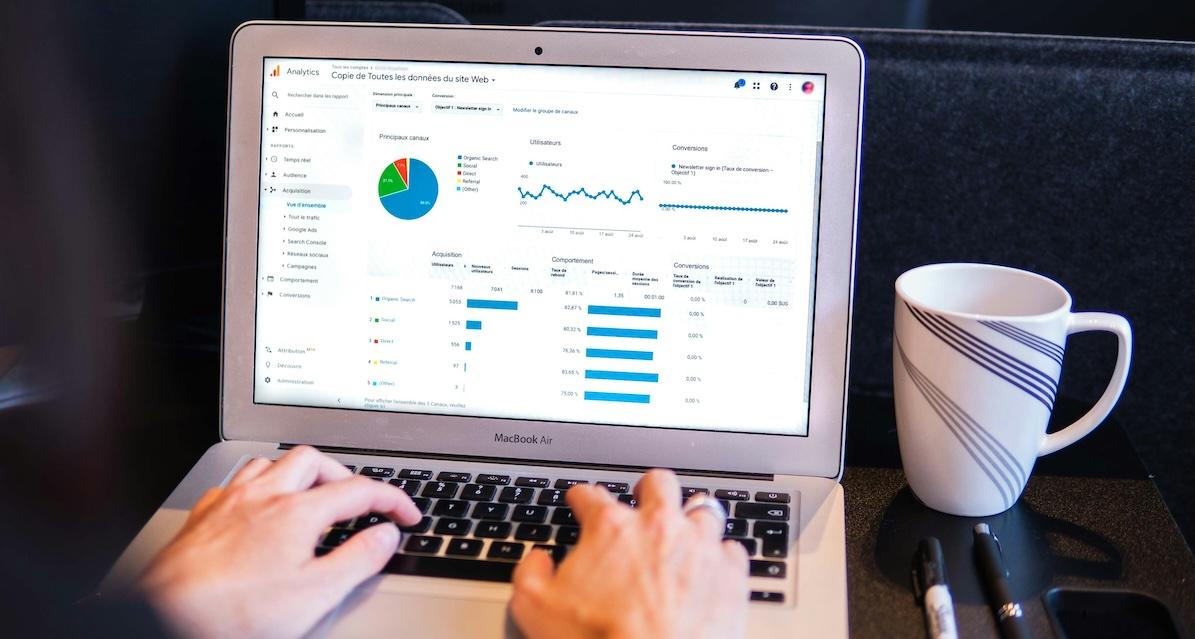
When teams really get the numbers, things genuinely change. Instead of vague goals, discussions become more concrete. Targets become clearer, and everyone becomes more accountable. Eventually, sustainability feels less like PR and more like real change.
Making Sense Of Complex And Messy Data
ESG data can get crazy. You have emissions data coming from all kinds of different places: suppliers, energy systems, transport, and what’s happening inside the company. Social and governance stuff? Even harder to wrap your head around, particularly in larger organisations.
Without a proper structure, things get messy and don’t match up. Different teams collect data their own way, and the reports don't line up. That’s where data science can be of service. It can be used to get everyone on the same page, fix errors, and bring everything into one view.
You don’t have to get super fancy with it. Sometimes it's as simple as setting clear definitions, using the same templates, or automating data. The nice thing about this is that it makes everything a lot more transparent. Leaders can easily see what's improving, what's not, and what needs to be monitored.
Strengthening Transparency And Trust
Losing people’s trust is one of the big problems with ESG. These days, people are more sceptical about greenwashing, and they don’t trust businesses as much as they did in the past. If the numbers don’t add up, or you don’t have evidence, you’ll lose trust in a millisecond.
Data can solve this by providing clear and seamless reporting. Instead of simply guessing, businesses can actually demonstrate how they arrived at their numbers and, crucially, where the data came from. This comes in handy should regulators, investors or customers have questions. And it also boosts the confidence of everyone in the company to boot.
When leaders trust the data, they're more likely to invest in green projects because they can genuinely see the positive results.
Identifying Risks Earlier
Sustainability risks are easy to miss early on. Problems with supply chains, rule changes, bad weather, and worker issues can creep up on you. If businesses are just going by the yearly reports, they end up reacting too late.
Using data to monitor performance allows companies to track patterns over time. This can include trends in energy use, supplier performance, or employee turnover. Small shifts may indicate bigger problems down the road.
Seeing these things early helps leaders make changes before problems get out of hand. It also helps with better long-term planning, which is becoming increasingly important as ESG expectations grow.
Improving Decision-Making Across The Business
ESG isn't some side project or function anymore. Today, it’s a major factor in procurement, operations, finance, and strategy. This means that the data being collected needs to be useful, not just collected.
Clean data enables businesses to make better decisions every day. Procurement teams can choose to work with sustainable suppliers, finance departments can evaluate long-term risk exposure, and leaders can channel investment into things that are good for the environment and the business. Data science is really helpful here. It’s what turns reports into useful information, and that information into action that actually sticks.
Eventually, sustainability stops being just something businesses do to check a box and starts changing how the whole company works. When the data is clear and reliable, it becomes part of everyday decision-making rather than something you report on once a year.
Supporting Continuous Improvement, Not Just Compliance
A lot of companies still see ESG as just a reporting exercise. But the real opportunity lies in improvement. Once you have good data, teams can experiment and see what works and adapt as they go.
A company might test a new energy system, change the way they deal with shipping and logistics, or tweak programs for employees, for instance. With the right information, it becomes easier to see what’s working and do more of it. Without it, you’re just left guessing.
This move from just following the status quo to actually learning and improving is how sustainability gets baked into a company’s culture, not just something organisations respond to.
Final Thoughts
Data science in ESG isn't all that complicated. It’s really about being clear, organised, and responsible. It helps companies actually make real changes, instead of just talking about it. As people expect more, businesses that invest in data capabilities will be ready to keep up. They'll be quicker to respond to new rules, create more trust, and base choices on reality, not just hypotheticals.
In short, being sustainable isn't just about putting out a report once a year. It’s about having a daily read on what’s happening every day and improving things over time. Data helps you do that.