
Plans to Remove Wild Horses From This U.S. State Spark Debate
The U.S. Bureau of Land Management would like to see around 14,000 wild horses rounded up.

Published March 26 2026, 4:01 p.m. ET

Wild horses were once synonymous with the American West. In fact, all you have to do is say "wild horses" and images of cowboys in big hats with lassos probably come to mind, as they chase after a group of muscular horses as their hoofs pound the Earth.
But as the world has modernized, finding a horse wandering the countryside alone and free of human tethers has become a little rarer, as these beautiful creatures have been herded into distinct areas for their own safety.
But that doesn't mean that there aren't any wild horses left to roam the American countryside. In fact, there are still multiple places across the U.S. where you can find wild horses, and some of those locations may even surprise you.
That's because not all wild horses reside in the West. In fact, you can find some wild breeds of horses on the East Coast as well; all you need to do is know where to look. Keep reading to find out exactly where these beautiful animals still roam.
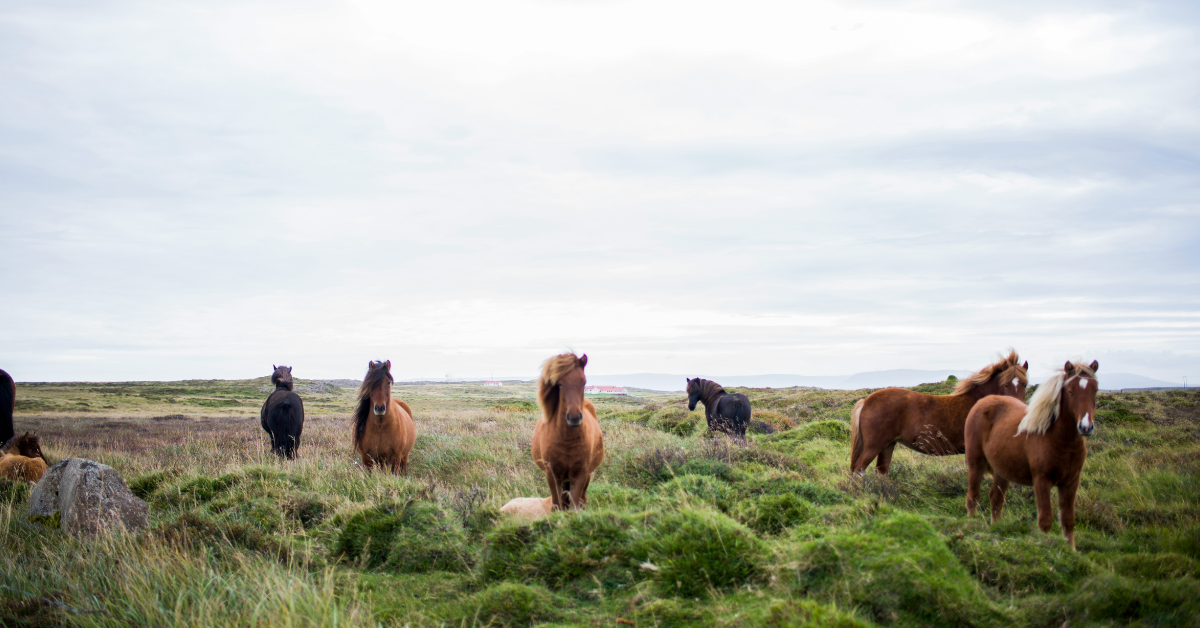
Where can you find wild horses in the U.S.?
There are almost a dozen states in the U.S. where wild horses can be found. Most of these herds currently live on land managed by the U.S. Bureau of Land Management (BLM), where they are cared for "in a manner that is designed to achieve and maintain a thriving natural ecological balance on the public lands," according to the government agency.
Here, they are protected by the Wild Free-Roaming Horses and Burros Act. The states where these herds and lands are managed by BLM include:
- Arizona
- California
- Colorado
- Idaho
- Montana
- New Mexico
- Nevada
- Oregon
- Utah
- Wyoming
Additionally, there are wild horses that call some unmanaged acres home in those states as well. The agency says that many of these herds were moved here intentionally to avoid things like conflicts with privately owned lands,, or due to potential conflicts and dangers with other animals or habitats.
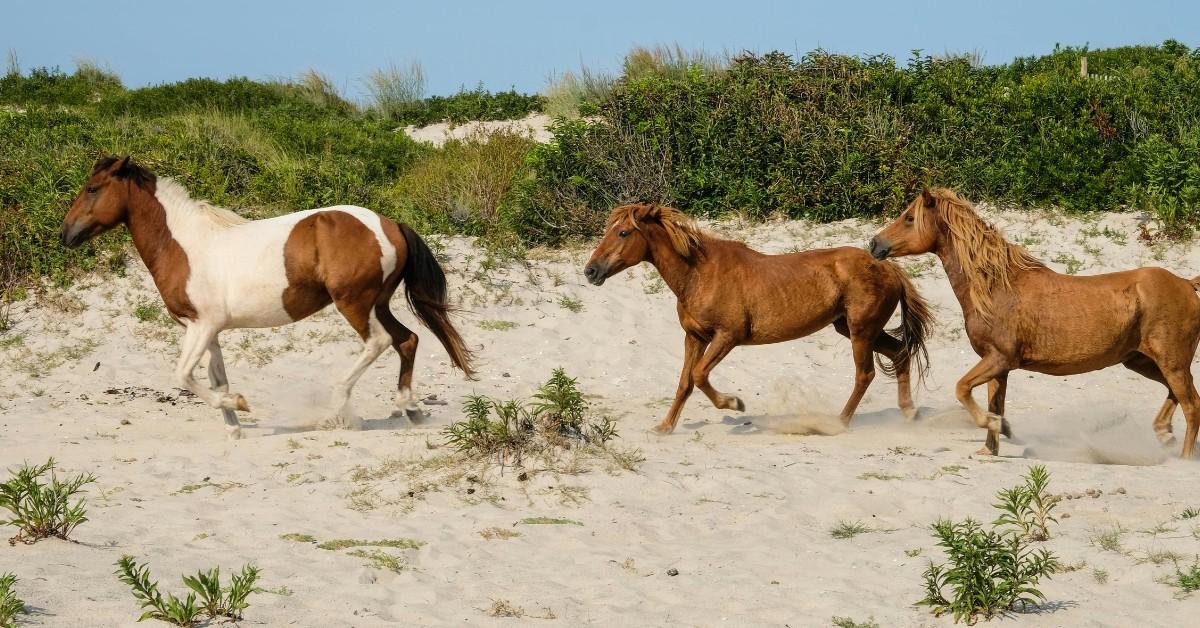
Additionally, there are some wild horses not living on BLM lands, and Fodor's says that they include those found in places like Assateague Island and the Outer Banks.
The horses in North Carolina's Outer Banks were believed to have been brought there by explorers. Meanwhile, the Assateague Island horses are not technically wild, but instead they are said to be feral horses that escaped from a life of domestication, likely coming from both the Virginia side and the Maryland sides of the island.
The U.S. government wants to remove some wild horses.
According to the Colorado Sun, the population of wild horses located in the western part of the country will go down if federal land managers have their way. That's because the U.S. Bureau of Land Management would like to see around 14,000 wild horses rounded up from the region, where they will be pushed into corrals.
These wild mustangs would then spend the rest of their lives living in captivity, which seems like a terrible position to put these gorgeous creatures in.
However, the BLM officials claim that this would be preferable to what would happen to the horses in the wild, as record droughts hit the region, stressing the land and the horses who call it home.
Additionally, wildfires have ravaged some of the feeding grounds these horses need to survive, which could leave some herds starving to death without intervention.