
10 Best Gut Health Supplements in 2026

Published Aug. 11 2026, 9:50 p.m. ET

10 Best Gut Health Supplements in 2026
Walk down any supplement aisle and every label promises a "healthier gut." Probiotics, prebiotics, fiber blends, enzyme capsules, peppermint softgels. The choices pile up fast, and most of them sound interchangeable.
They are not. The best gut health supplements work because they match a specific job to a specific goal, whether that is rebuilding microbiome balance, easing bloating, or keeping you regular. The difference between a great pick and a wasted one usually comes down to three things.
The right type for your needs
Named bacterial strains instead of vague "blends"
An honest CFU count on the label.
Below are ten digestive supplements worth knowing in 2026, starting with the simplest daily foundation and moving through synbiotics, fiber, enzymes, and targeted relief.
1. Metagenics UltraFlora Balance Probiotic
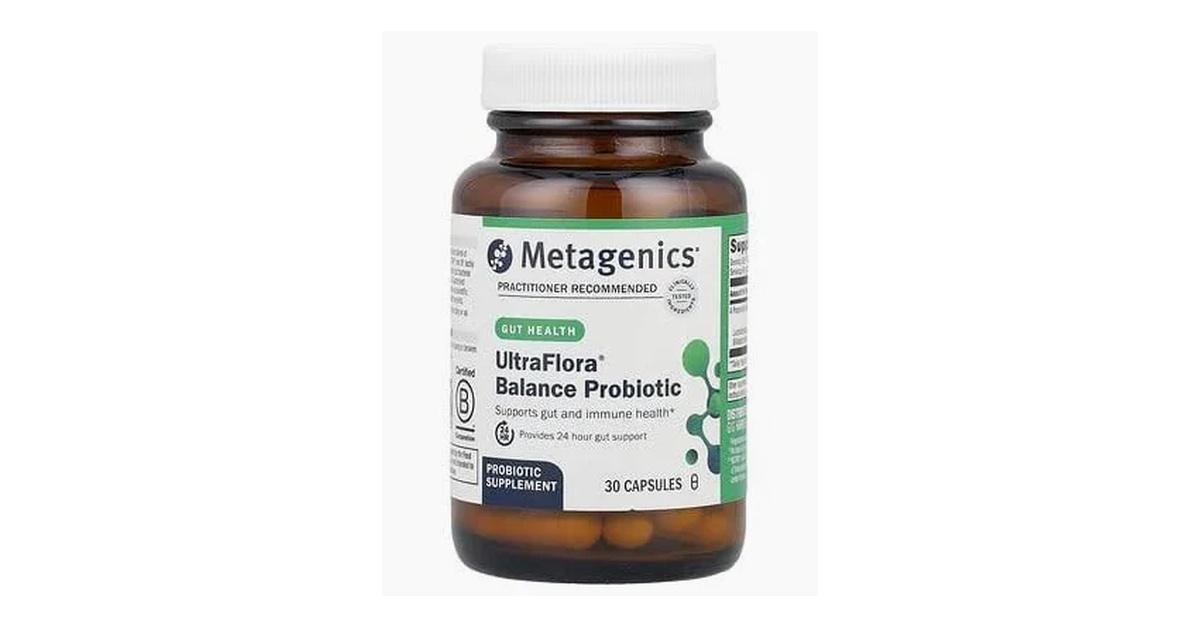
Metagenics UltraFlora Balance Probiotic
For most people, a daily probiotic is the natural starting point, and UltraFlora Balance Probiotic by Metagenics is built for exactly that. It is a clean, no-frills daily formula designed to support digestive balance and a healthy gut microbiome as part of a normal routine, the same way you would brush your teeth every morning.
The formula leans on two well-documented strains, Lactobacillus acidophilus NCFM and Bifidobacterium lactis Bi-07, delivered at a meaningful CFU count rather than a token sprinkle. Naming the exact strains matters more than most shoppers realize, because benefits in probiotics are strain-specific, not generic to "probiotics" as a whole. You always know what you are taking and at what dose.
What makes it the top pick is fit. It is gentle enough for everyday use, it does not pile in unnecessary extras, and it slots into a routine without fuss. If you want to compare it against the rest of the lineup, Metagenics groups its full range of digestive probiotics by health need so you can match a formula to your specific goal.
Best for: a reliable daily probiotic to maintain gut balance and regularity.
2. Seed DS-01 Daily Synbiotic
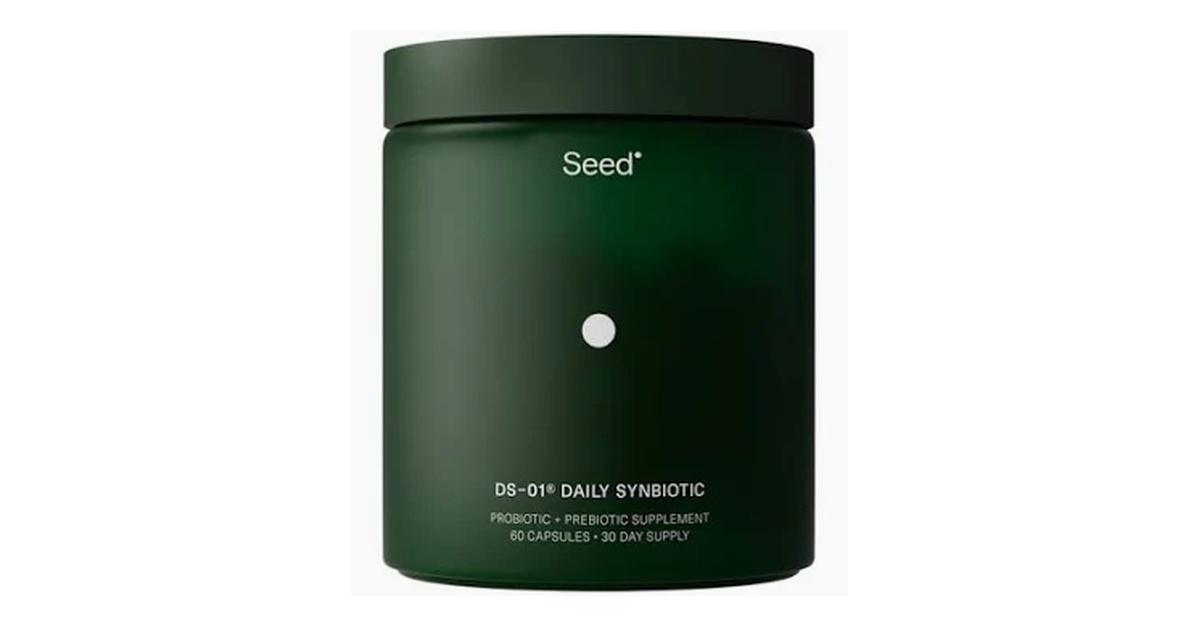
Seed DS-01 Daily Synbiotic
Seed earned its reputation as the most-searched direct-to-consumer name in the category, and the DS-01 is the reason. It is a synbiotic, meaning it pairs probiotics with the prebiotics that feed them, so the beneficial bacteria arrive with their own food source.
Its signature feature is a nested capsule built to help the bacteria survive stomach acid and reach the lower gut intact, which addresses one of the biggest weaknesses of cheaper probiotics. It is a premium option at a premium price, but the formulation is thorough.
Best for: shoppers who want a comprehensive synbiotic and care about survivability.
3. Culturelle Daily Probiotic
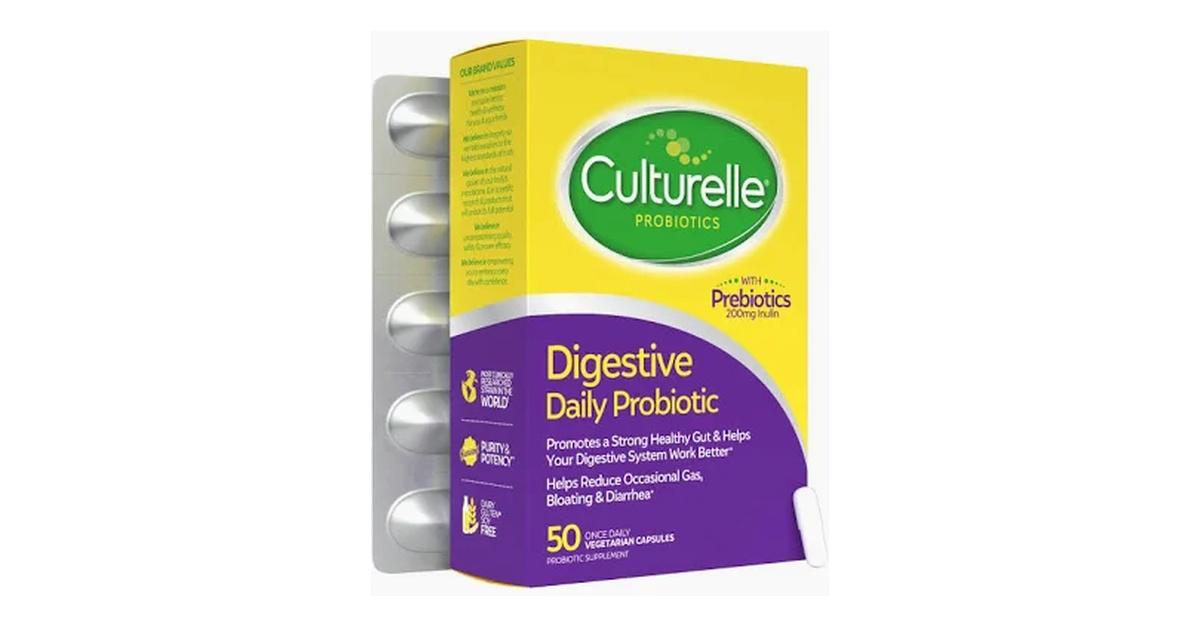
Culturelle Daily Probiotic
Culturelle is the accessible drugstore staple, built around a single, heavily studied strain: Lactobacillus rhamnosus GG, usually shortened to LGG. Sticking to one well-known strain keeps it simple and predictable.
It is widely available, affordable, and a sensible entry point for anyone trying a probiotic for the first time before committing to something more elaborate.
Best for: first-time probiotic users who want a proven single strain.
4. Ritual Synbiotic+
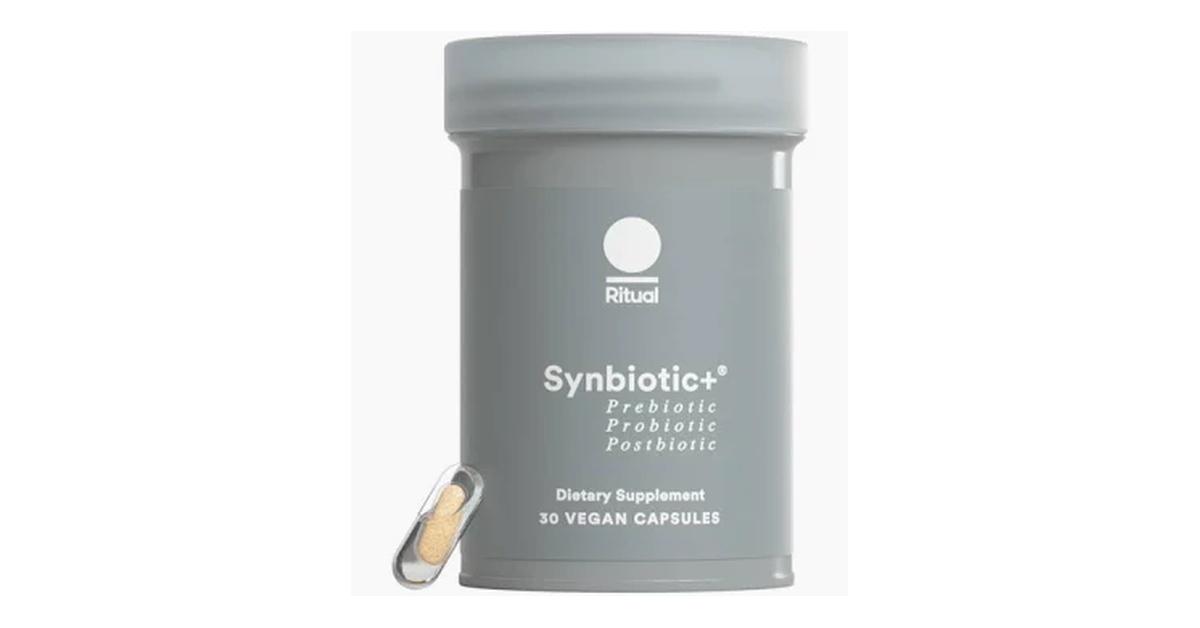
Ritual Synbiotic+
Ritual packs three jobs into one capsule: a probiotic, a prebiotic, and a postbiotic. Postbiotics are the beneficial compounds that bacteria produce, and including one rounds out the picture beyond the usual pre-and-probiotic pairing.
Like its DS-01 rival, it uses a delayed-release capsule to protect the contents on the way down. The branding is polished and the transparency on strains is solid.
Best for: anyone who wants pre-, pro-, and postbiotics covered in a single daily capsule.
5. BIOMA Probiotics
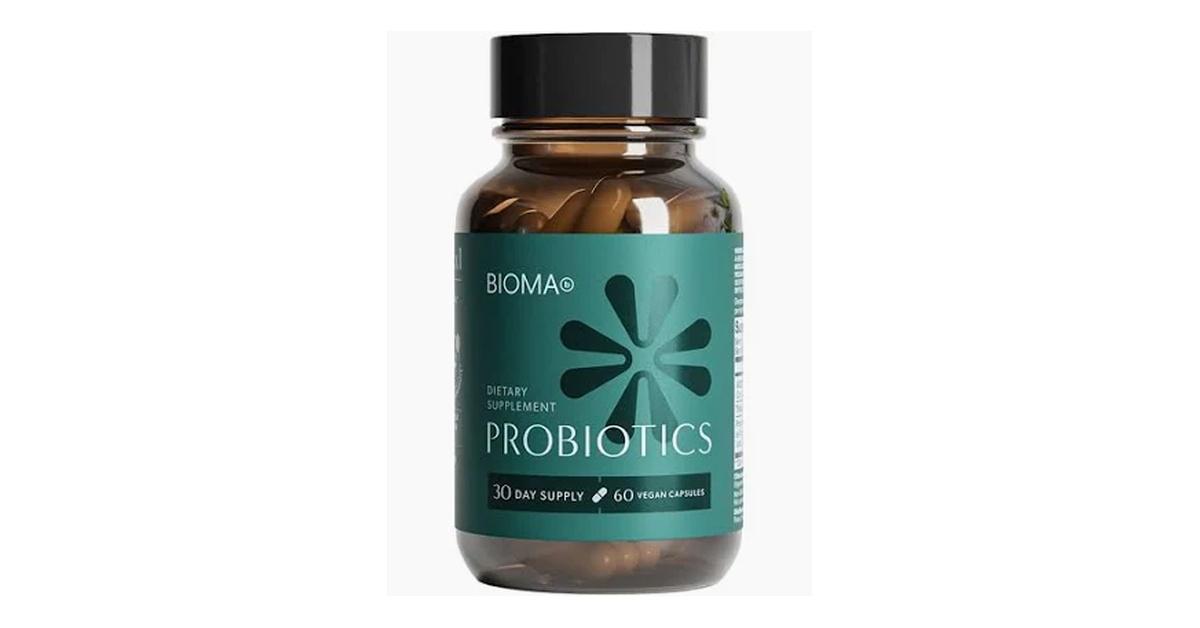
Bioma
BIOMA targets the bloating-and-regularity crowd directly. It combines probiotics, prebiotics, and postbiotics with a delayed-release delivery system, and markets itself squarely at people whose main complaint is an uncomfortable, gassy gut after meals.
It is a newer name that has gained traction quickly, and the formula reflects current thinking on multi-component gut support.
Best for: people whose primary issue is bloating and irregularity.
6. Thorne FloraMend Prime Probiotic
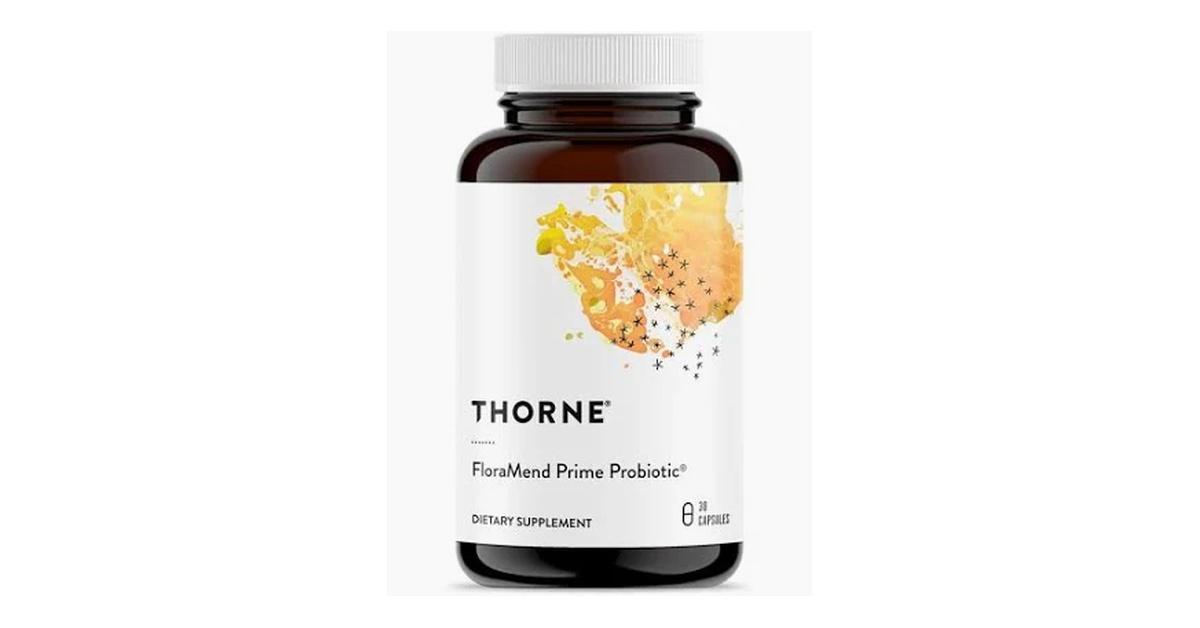
Thorne
Thorne is the brand the research-minded shopper tends to gravitate toward. FloraMend Prime is a multi-strain probiotic with a reputation for clean formulation and quality sourcing.
It is a step up in price from drugstore options, but it appeals to people who read ingredient panels closely and want a recognizable, well-regarded maker.
Best for: detail-oriented shoppers who prioritize formulation quality.
7. Metamucil

Metamucil
Not every gut health supplement is a probiotic. Metamucil is psyllium husk fiber, and it does two useful things at once: it bulks stool to support regularity, and it acts as a prebiotic that feeds the good bacteria already living in your gut.
If your diet is light on fruits, vegetables, and whole grains, a fiber supplement often delivers more noticeable results than another probiotic. It is inexpensive, widely available, and easy to add to water.
Best for: regularity and feeding your microbiome when dietary fiber falls short.
8. NOW Super Enzymes
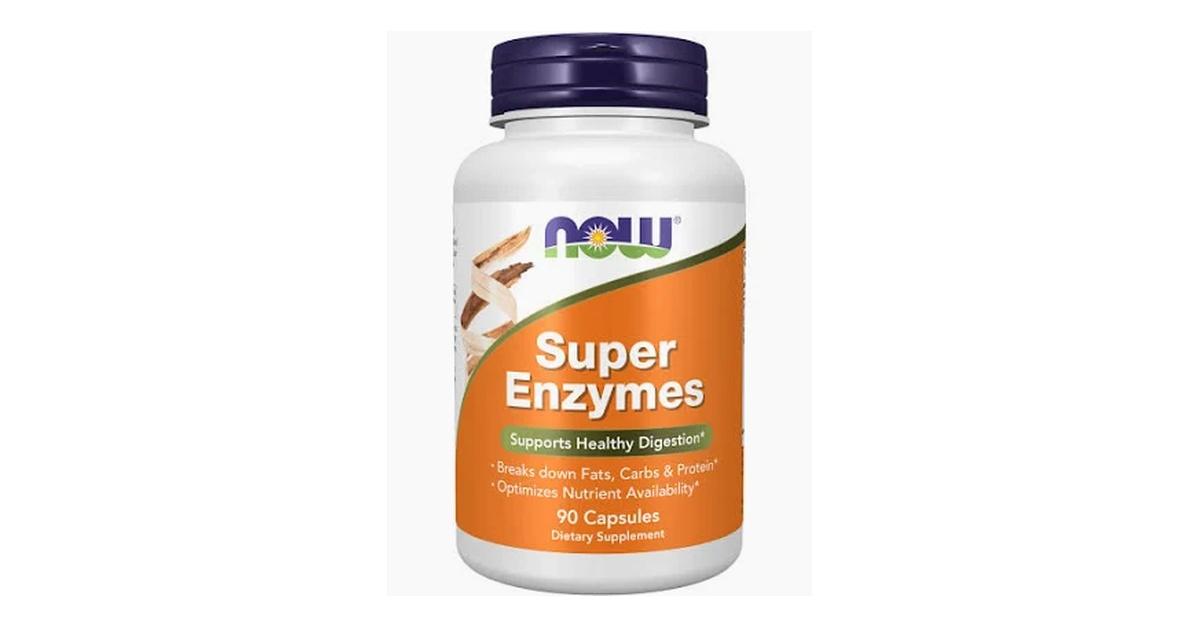
Super Enzymes
When heavy meals leave you bloated and uncomfortable, the issue is often digestion itself rather than bacteria. NOW Super Enzymes supplies digestive enzymes such as amylase, lipase, and protease, which help break down carbohydrates, fats, and proteins.
Taken with food, a full-spectrum enzyme blend can ease the gas and indigestion that follow large or rich meals. It is a practical, affordable pick for a specific problem.
Best for: indigestion, gas, and discomfort after big meals.
9. IBgard
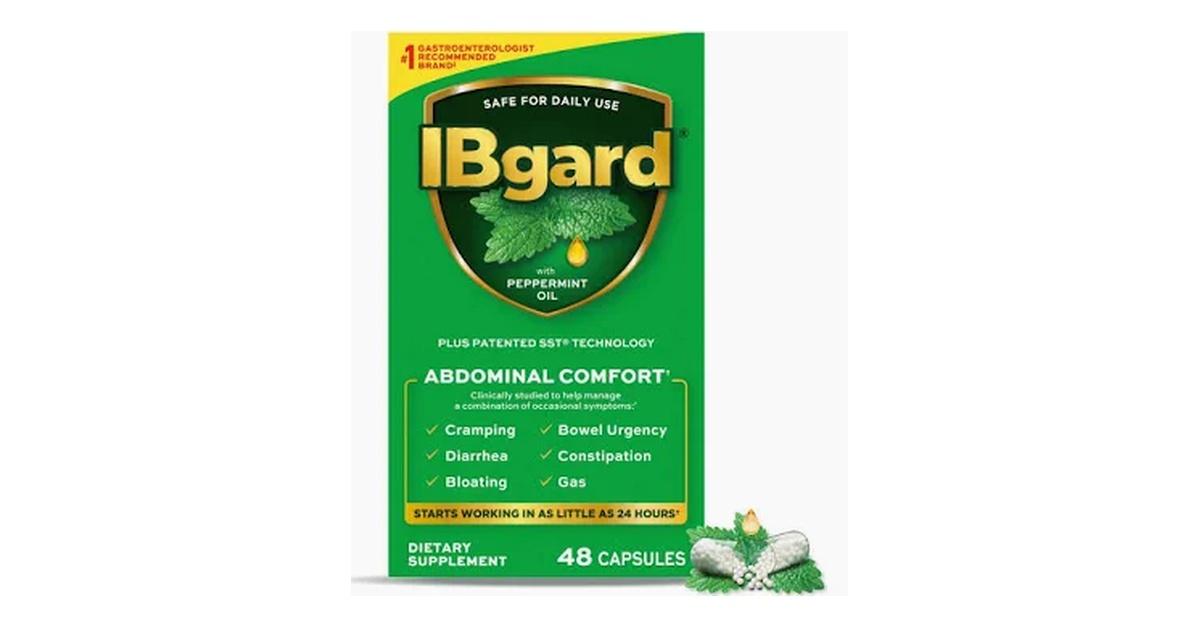
IBgard
IBgard takes a different route with peppermint oil in a capsule designed to release in the small intestine. Peppermint oil has a long history of calming the digestive tract, and the targeted-release format is the point of the product.
It is a focused option for occasional bloating, cramping, and general abdominal discomfort rather than a daily microbiome supplement.
Best for: occasional bloating and digestive discomfort.
10. Garden of Life Dr. Formulated Probiotics

OnceDaily
Rounding out the list is a high-CFU, whole-food-positioned probiotic with a broad multi-strain lineup. Garden of Life leans into a "food-based" identity that resonates with shoppers who want their supplements to feel as natural as possible.
The higher strain count and CFU make it a solid choice for general microbiome balance, and the brand is easy to find in most major retailers.
Best for: general microbiome support with a high strain count.
The Bottom Line
The best gut health supplement is the one that matches your goal and fits your routine well enough that you actually take it. Start with a solid daily probiotic like UltraFlora Balance, add fiber or enzymes if your symptoms call for it, and look for named strains and honest CFU counts instead of marketing buzzwords. Consistency, not hype, is what moves the needle.
Frequently Asked Questions
What supplements are good for gut health?
The most useful gut health supplements fall into a few groups: probiotics and synbiotics for microbiome balance, fiber for regularity, digestive enzymes for breaking down food, and targeted options like peppermint oil or L-glutamine for specific complaints. The best one depends on your goal rather than a single "winner."
Do gut health supplements actually work?
Many do, but results are tied to the specific strain or ingredient, the dose, and the problem you are addressing. A named-strain probiotic taken consistently has a far better track record than a generic blend taken occasionally. They work best alongside a fiber-rich diet, not as a replacement for one.
How long do gut health supplements take to work?
Give most gut supplements at least two to four weeks of consistent daily use before judging them. Some people notice changes in digestion or regularity within days, while microbiome shifts take longer to settle in.
When should you take gut health supplements?
It depends on the type. Many probiotics are taken on an empty stomach or with a light meal, while digestive enzymes are taken with food so they can work as you eat. Fiber supplements can go any time of day, as long as you take them with plenty of water.
Can you take multiple gut health supplements together?
Yes, combinations like a probiotic plus fiber, or enzymes plus a probiotic, are common. The smart approach is to add one at a time so you can tell what is actually helping, rather than starting everything at once.
What are the signs of an unhealthy gut?
Common signals include frequent bloating, gas, irregularity, food sensitivities, and ongoing fatigue. Persistent or severe symptoms are worth discussing with a healthcare provider rather than self-treating indefinitely.