
NASA Launches Pandora Telescope to Study Habitable Worlds in Ways James Webb Can't
Published Jan. 19 2026, 9:42 a.m. ET

Artist’s concept of NASA’s Pandora Space Telescope
NASA’s new exoplanet telescope, Pandora, was finally launched on January 11, 2026. It was sent into space aboard a SpaceX Falcon 9 rocket from Vandenberg Space Force Base in California. This new advanced telescope is dedicated to making the search for other habitable planets more efficient. Exoplanets are planets that orbit stars way beyond our solar system. But they are very hard to study because they appear as tiny, faint points from Earth. Pandora’s new technology, combined with NASA’s James Webb Space Telescope (JWST), will help scientists study these distant planets and the stars they orbit in greater detail.
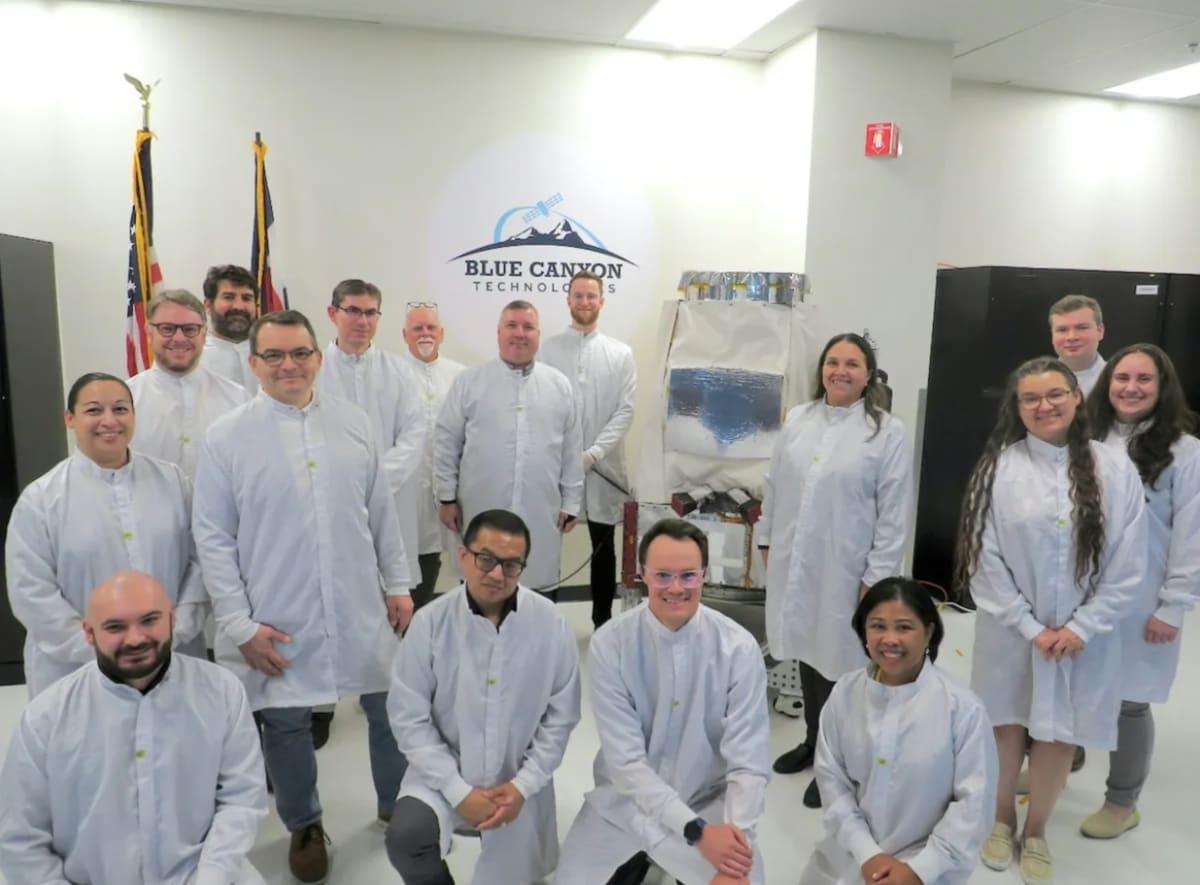
Members of the Pandora SmallSat team
“We built Pandora to shatter a barrier — to understand and remove a source of noise in the data — that limits our ability to study small exoplanets in detail and search for life on them,” said Daniel Apai, co-investigator of Pandora from the University of Arizona. The idea to build Pandora came into action following an unexpected email from two scientists at NASA to Apai. They wanted to quickly build a new space telescope that could help solve a major problem known as stellar contamination, in time to support the James Webb Space Telescope. Apai said, “This was an exciting idea, but also very challenging. Space telescopes are very complex, and not something that you would normally want to put together in a rush.”
Astronomers use a simple method to study exoplanets. They observe when a planet moves in front of its star, so that some of the star’s light passes through the planet’s atmosphere. Scientists can learn about the atmosphere by studying the filtered light. Starlight passing through a planet’s atmosphere can reveal the presence of water vapor, hydrogen, clouds, and even possible signs of life. The technique worked perfectly for a while, but astronomers started to notice some star spots. Since most stars are active and covered with spots, the signals seen from exoplanets can be affected. The James Webb Space Telescope was not able to reach its full potential on its own, which led to the development of Pandora.
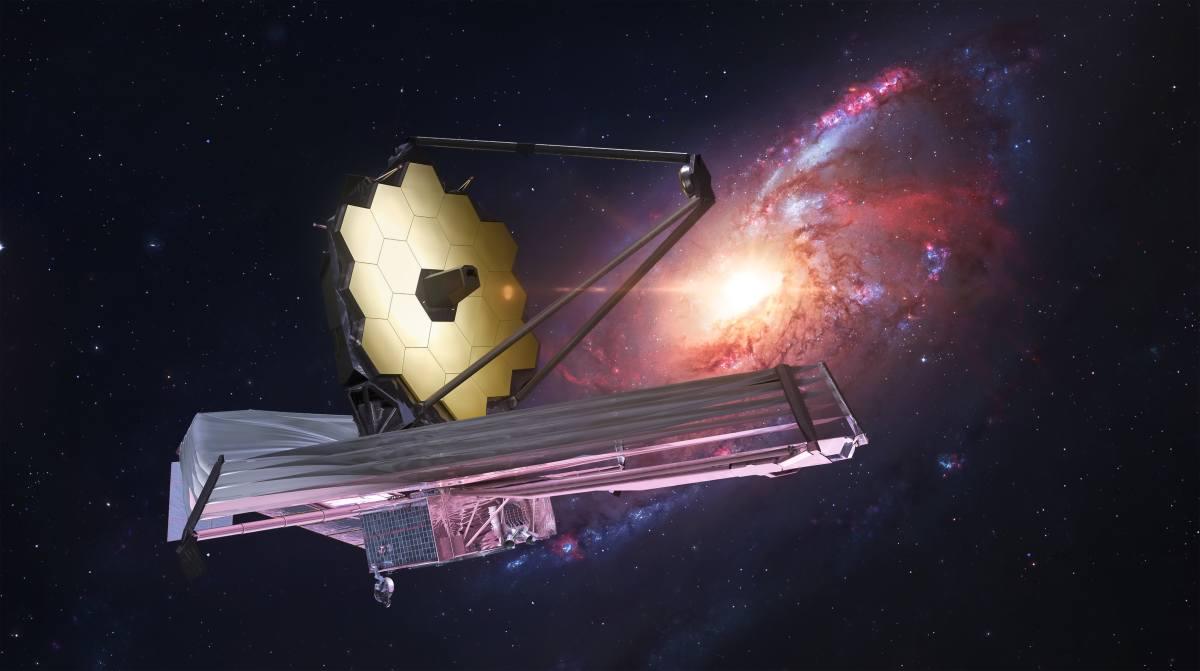
NASA's James Webb Space Telescope
Pandora does not function the same way JWST does, and it also collects significantly less light. However, it can do something Webb cannot. Pandora can patiently watch stars over long periods to understand how their atmospheres change. Because it can observe a single star continuously for 24 hours straight, it can detect even the smallest changes in a star’s brightness and color. But JWST is not built for returning to the same planet using the same instruments, and it almost never monitors host stars for long periods. But Pandora will revisit each target star about 10 times in one year, spending more than 200 hours on each one.
Now, scientists will be receiving detailed information to understand how changes in stars affect the signals seen when planets pass in front of them. Pandora also studies those planetary traits, just like Webb, and by combining data from both telescopes, scientists can study the atmospheres of exoplanets in greater detail than ever before. “After the successful launch, Pandora is now circling Earth about every 90 minutes,” said Apai.