
Something Is Killing Sea Urchins Worldwide — And Scientists Fear It’s Only the Beginning
Published Jan. 30 2026, 4:11 a.m. ET

(L) A healthy sea urchin; (R) A sick and dying sea urchin. (Cover Image Source: Atlantic and Gulf Rapid Reef Assessment (L) K. Marks; (R) Kimani Kitson-Walters)
An 'apocalypse' under the sea is uprooting an entire species. Mass die-offs of black sea urchins (Diadema africanum) in the Canary Islands began in mid-2022, and the situation has only worsened. When a team of international researchers recorded the declining population of the years, they found the die-off rate to be high enough to cause permanent local extinction. However, what's more concerning is that this apocalypse could have a domino effect on the sea urchin population worldwide. According to a study published in the journal Frontiers in Marine Science, several mass die-off events have occurred since 2022, specifically in the Atlantic and Indian Oceans. “D. africanum mass mortalities in the Canary Islands may represent a potential link in what may be considered a marine pandemic,” the authors wrote.
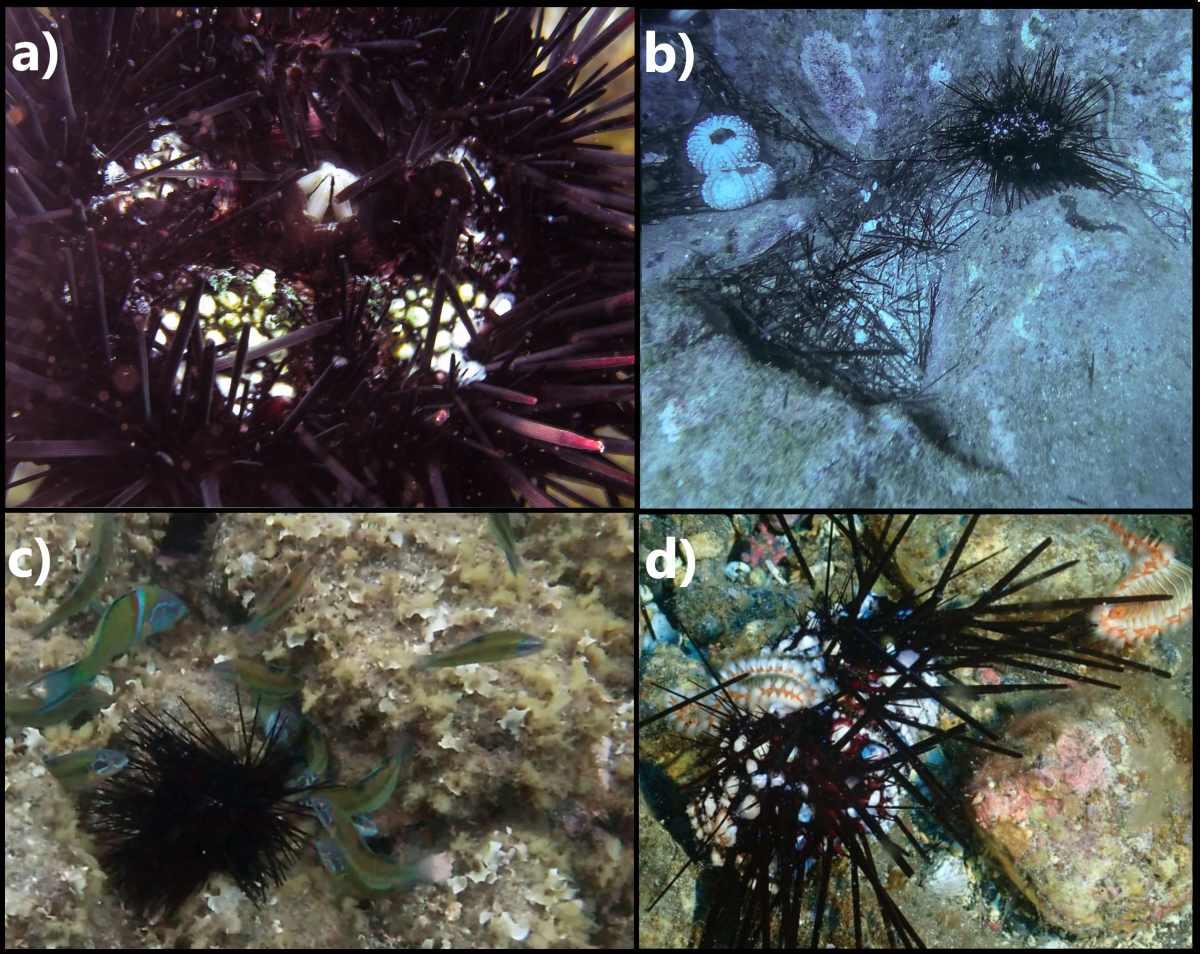
Sick and dying sea urchins captured during a mass mortality event.
That same year, researchers recorded a staggering population decline of the long-spined sea urchin (Diadema antillarum) living around the Caribbean Islands and Florida. The Atlantic and Gulf Rapid Reef Assessment (AGRRA) reported on the devastation at the time without citing an explanation. "While we do not know what is causing these dispersed die-offs, the speed at which large numbers of sick urchins are now dying on affected reefs resembles the mass mortality event of four decades ago," the organization wrote on its website. Since sea urchins play a vital role in maintaining balance in the Caribbean Islands, this development left the authorities concerned. “Diadema antillarum, also known as the long-spined sea urchin, is one of the most important herbivores on Caribbean coral reefs, removing algae and maintaining open space for coral growth,” they wrote at the time.
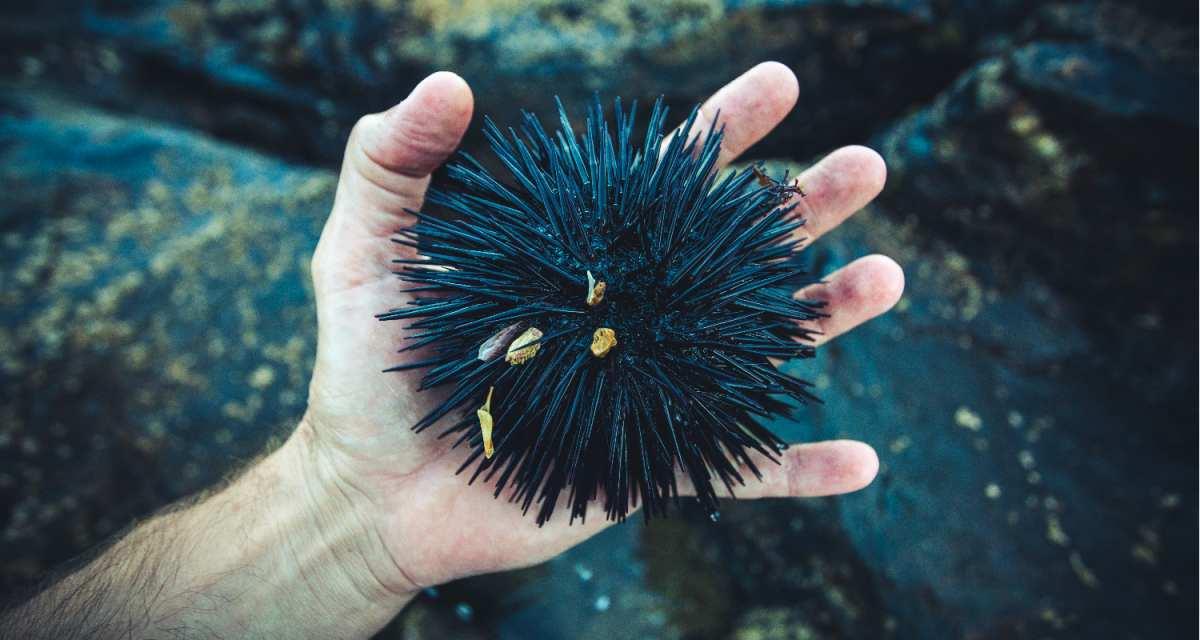
A person holding a healthy sea urchin.
One of the die-off events was recorded in 2023 in the Gulf of Oman, near Iran and Pakistan, while another similar mortality event occurred off the coast of Réunion Island, near southern Africa, a year later. Omri Bronstein of the School of Zoology at Tel Aviv University and an author of the recent study explained that a decades-old mortality event was the first trigger of the epidemic that spread across sea urchin populations. “In 1983–84, a mass mortality event of Diadema sea urchins was recorded in the Caribbean islands in the western Atlantic Ocean," he said in a statement. "This die-off triggered a dramatic ecological shift in the region: with the sea urchins—the habitat’s primary algae grazers—gone, vast algal fields spread, blocking sunlight and causing severe, irreversible damage to coral reefs in the region," Bronstein added.
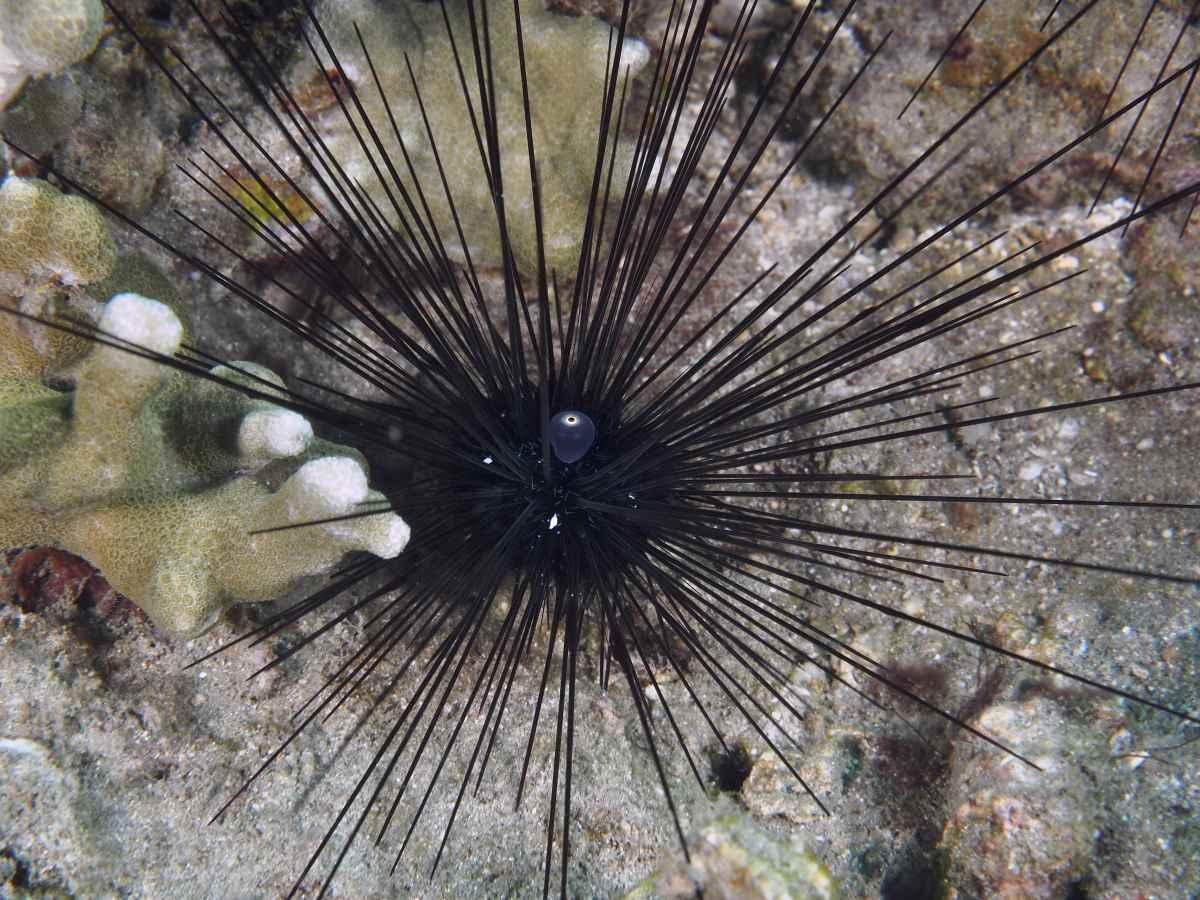
A long-spined black sea urchin underwater.
When the mortality event struck again in 2022, the pathogen that caused the destruction was identified for the first time. Just like wildfire, the pandemic reached different regions in the following years. The recent study found new evidence of sea urchin die-offs in the Canary Islands, revealing that the adult urchins can no longer produce offspring at the site. "Sea urchins reproduce by releasing sperm and eggs into the seawater, where fertilization produces millions of embryos that drift as plankton in the water column. After several days to weeks (depending on the species), the larvae settle on the seabed and develop into juvenile urchins—a process known as ‘recruitment.’ If no recruitment occurs, the species may disappear from the region’s ecosystem," Bronstein said. Scientists believe the Canary Island outbreak to be a "missing link" in the geographical spread of the disease.
"In this study, we discovered that for the first time in history, there are no new juvenile urchins being recruited across several Canary Islands," the researcher noted.