
Scientists Didn’t Expect Life to Return This Fast After Earth’s First Mass Extinction Event
Published Jan. 29 2026, 6:45 a.m. ET

An artistic reconstruction of the Huayuan ecosystem
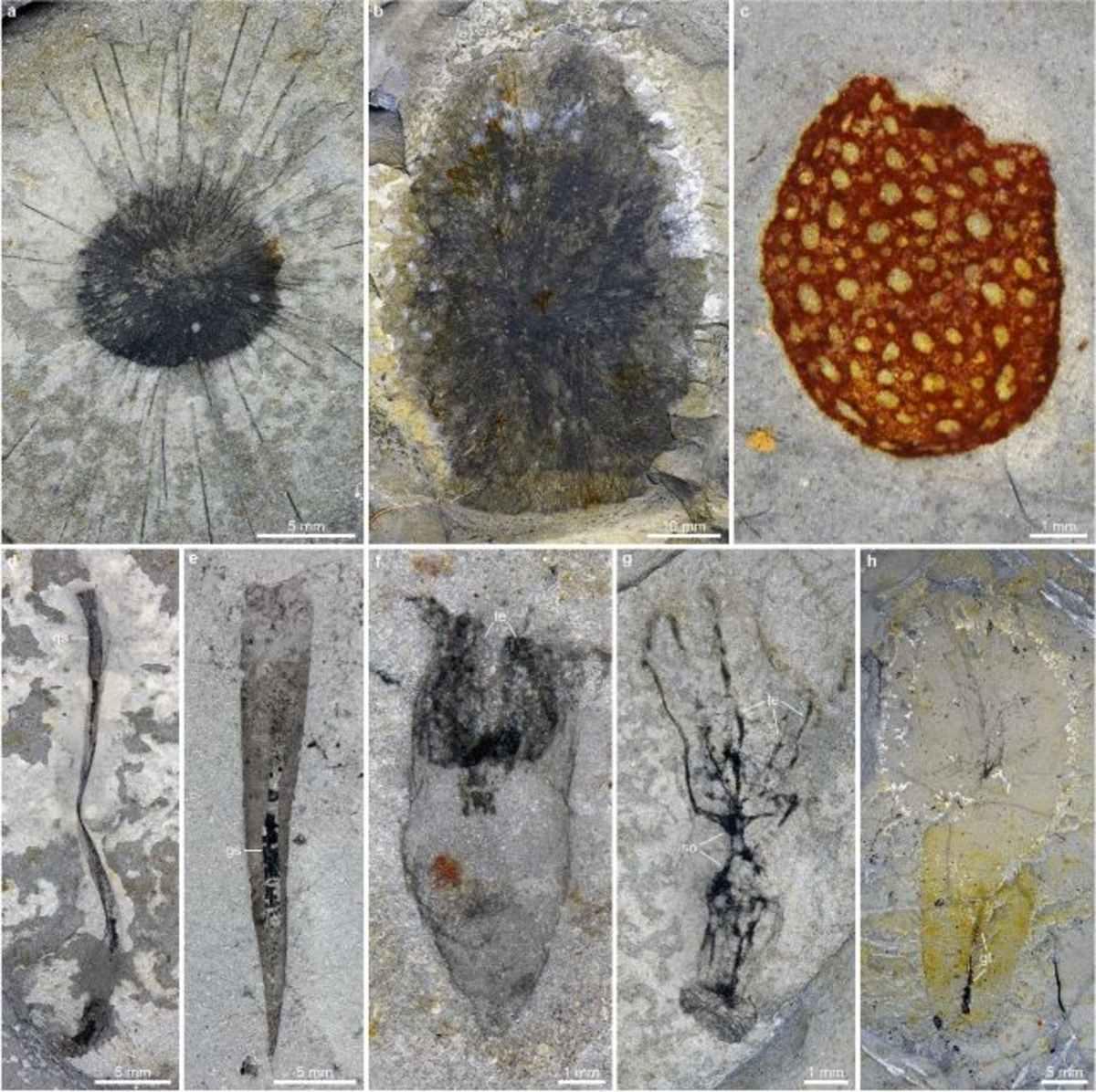
A mass extinction occurred less than a billion years ago that eradicated most species from the face of Earth. A newly discovered fossil site in Hunan, South China, captured an ecosystem in recovery, featuring soft tissues and internal structures of various species. Astonishingly, about 60% of the species found at the site have never been known to science. The discovery just unlocked a whole new chapter to add to the history of biodiversity. The fossil collection named the Huayuan biota features 153 animal species spanning 16 major groups. Overall, 8,681 fossil specimens were discovered at a single site, and the collection, recorded about 512 million years ago, boasts a rare type of fossilization.
New fossils of the Huayuan biota were recovered from Hunan
The Huayuan biota belongs to a rare category of fossil deposits called Lagerstätten, which refers to fossil beds preserved with exceptional detail. According to research led by paleontologist Maoyan Zhu of the Chinese Academy of Sciences, the Huayuan biota's impressive fossilization pushed it a notch higher in the category of rarities. The researchers have classified it into Burgess Shale-type (BST) Lagerstätte, an extremely rare category of finely preserved fossil beds with delicate internal tissues intact, with no exceptions. The study published in the journal Nature on January 28 found that the ecosystem was dominated by arthropods, poriferans, and cnidarians and featured a diverse range of radiodonts and pelagic tunicate species.
Fossils buried in sand
The species belongs to the Cambrian period, which is marked by the Cambrian explosion, a monumental evolutionary event where the first major animal diversification occurred. Unfortunately, not too long after, a catastrophic Sinsk extinction event followed, ending most of the species born during the Cambrian era. But over the years, paleontologists have uncovered several fossil sites recorded after the mass extinction, which helped them reconstruct its impact on biodiversity. Besides the one recently discovered, there are other fossil sites featuring the BST Lagerstätten fossil collection. The Burgess Shale in the Canadian Rockies features fossils about 508 million years old. There are also the Qingjiang biota and the Chengjiang biota, both dating back to the Cambrian period that lasted between 540 and 485 million years ago.
Ancient fossil imprints on a rocky surface
These sites helped researchers figure out that several shallow-water species that died after the mass extinction recovered after a few million years. Experts believe that the recently discovered Huayuan biota provides insights into the immediate aftermath of the Sinsk extinction, which has been a mystery until now. While other sites highlight the before and after of the event, this particular site sheds light on the immediate outcome of the crisis. The study showed that ecosystems at the time used deep waters as a refuge, and there thrived many diverse organisms, both prey and predators alike. The Huayuan biota has preserved internal organs and soft tissues, digestive and nervous tissues, with intricate details. These insights will help experts analyze the behavior of species after a mass extinction.
For example, group preservation of vetulicolians was evidence that they lived close together. The free-swimming tunicates in the biota helped determine that modern-style ecosystems began to form after the mass extinction. "The extraordinary biodiversity of the Huayuan biota provides a unique window into the Sinsk event by revealing the post-extinction recovery or radiation in the outer shelf environment," the researchers said.