
Skiers Caught On Camera Triggering Massive Avalanche In Rocky Mountain National Park
Published Jan. 13 2026, 6:58 a.m. ET

Trail Ridge Road Opens In Rocky Mountain National Park
Three skiers got caught in an avalanche in Rocky Mountain National Park in Colorado. The incident occurred last Saturday in the Haiyaha Couloir, a steep and narrow slope located above Lake Haiyaha. The avalanche was classified as R1 (Relative Size), which means it is very small to the relative path. and D1 (Destructive Size), which is relatively harmless to people. As per the Colorado Avalanche Information Center (CAIC), a Wind Slab avalanche, which occurs when strong winds pack snow into unstable layers, caught the riders as they were heading downhill after attempting a common safety move known as a ski cut.
A part of the accident was caught on video and sent to the Colorado Avalanche Information Center. The video shows one skier setting off the first avalanche before quickly getting knocked off his feet; the snow then carries the skier toward a group of trees. "It caught, carried, and briefly buried him. He grabbed a tree, dislocated his shoulder, and ended up on the surface," a part of the accident summary read, as per SFGate.
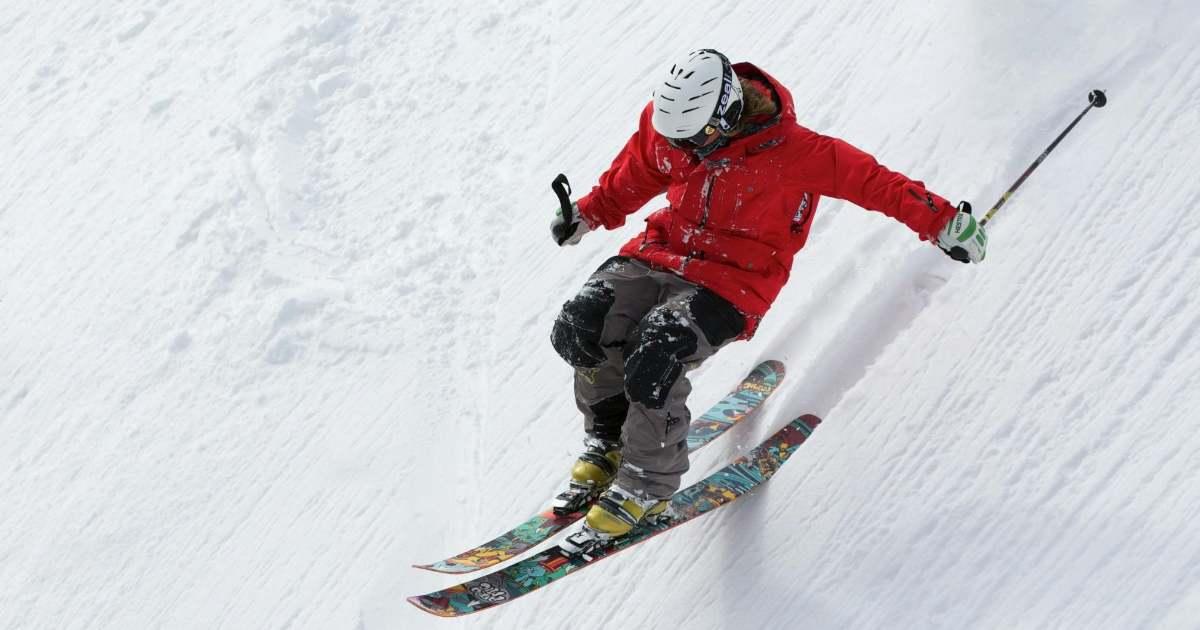
Representative image of a skier is going down the slope
As the two other skiers rushed down to help him, another rider got stuck in a slide. The snow carried the rider about 10 to 15 feet. According to the accident report, the group believed the slope was safe. However, there were clear warning signs that the snow was unstable. While climbing, they noticed the area was unstable, with cracks shot across the snow surface.
As per CAIC, it was an important indication of the possibility of an avalanche. However, instead of turning back or choosing a safer route, the group adjusted their path and continued upward. "We knew the terrain, we knew the conditions, we had a plan," the group was quoted as saying. But they deviated from the plan when one rider leapfrogged ahead of the others at, which "ultimately caused the avalanche", as per the accident report.
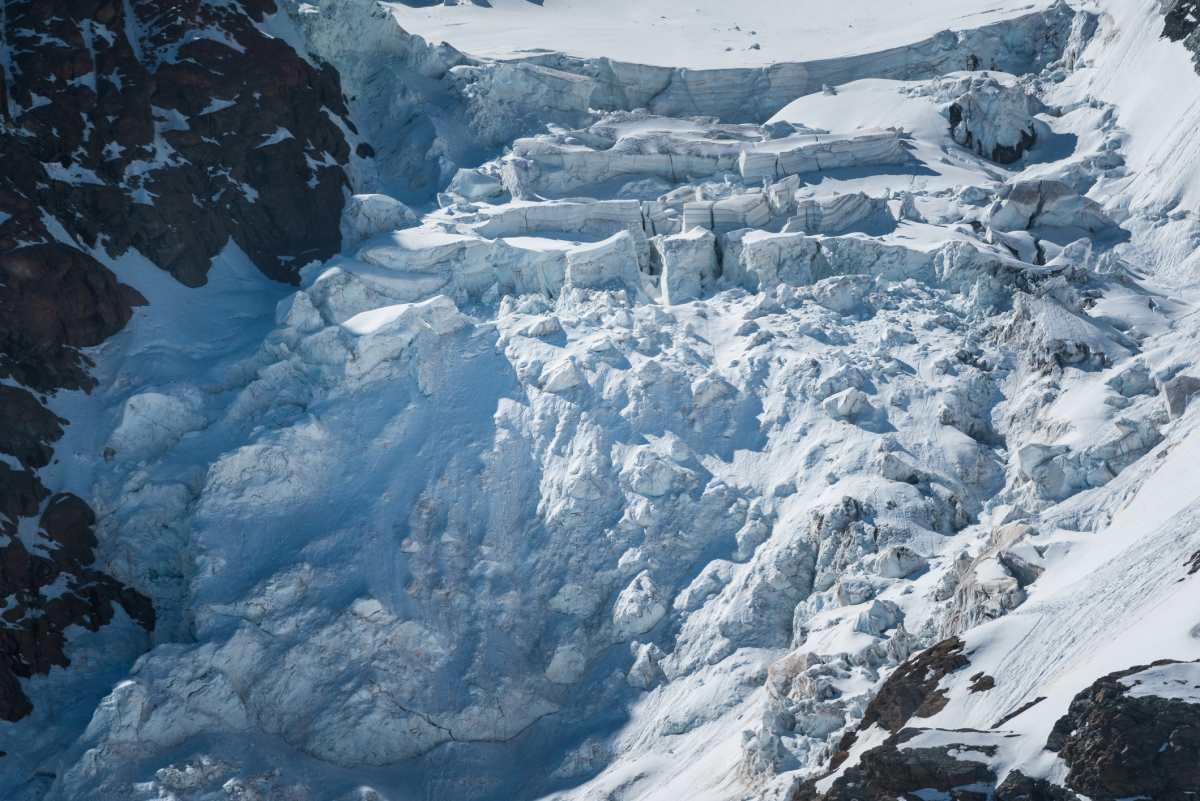
Representative image of an avalanche
The report also noted that the skiers ignored basic avalanche safety rules, including the recommendation that only one person should be on a slope at a time. Because multiple riders were on the slope together, more than one person was put at risk when the avalanches occurred. The Colorado Avalanche Information Center revealed that even though the overall snowpack is lower than normal for this time of year, the risk of avalanches should not be ignored.
Director of the Colorado Avalanche Information Center, Ethan Green, said, "We definitely have a lower snowpack right now than we do this time of year. But whenever we have snow on steep slopes, there is potential for avalanches. What we're seeing in this particular area are avalanches produced by recent wind drifting and avalanches that can break into older snow layers." Greene further explained that the avalanche forecast issued a warning about the avalanches. He emphasized the importance of checking conditions before heading out. The Colorado Avalanche Information Center also urged people traveling in the backcountry to read the daily avalanche forecast, carry the right safety gear, and have a clear plan before entering avalanche-prone areas.