
Scientists Say the Arctic Has Entered a 'New Era' — and It Looks Worrying
Published Jan. 12 2026, 8:25 a.m. ET

Cassiope tetragona, also known as Arctic bell-heather, killed by a rain-on-snow event
According to a study published in the journal Science Advances led by experts from the Finnish Meteorological Institute, the Arctic is going through extreme weather conditions. The ‘new era’ describes a region that is changing so rapidly it no longer resembles its historical climate. Sea ice is becoming thinner and less stable, precipitation patterns are shifting, and conditions are emerging that Arctic ecosystems were never adapted to handle over thousands of years. “Seasonality, such as the growing season and snow conditions, is known to be crucial for ecosystem functioning and the success of northern species. However, changes in bioclimatic extreme events have not been previously studied in a comprehensive way,” Juha Aalto, a research professor, said in a statement.
The researchers found in their new study that the entire Arctic has seen an intense rise in extreme climate change over the past 30 years. Average temperatures are climbing, summer heatwaves are lasting longer, and winters are seeing more warm spells. Moreover, the frost is becoming more common during the growing season. They also reported a major increase in rain-on-snow events, when rain falls onto existing snow. This can cause flooding and create hard ice layers, which will be particularly dangerous for reindeer as they depend on plants for food. The study says these damaging events are now affecting up to 10% of the Arctic’s land area.
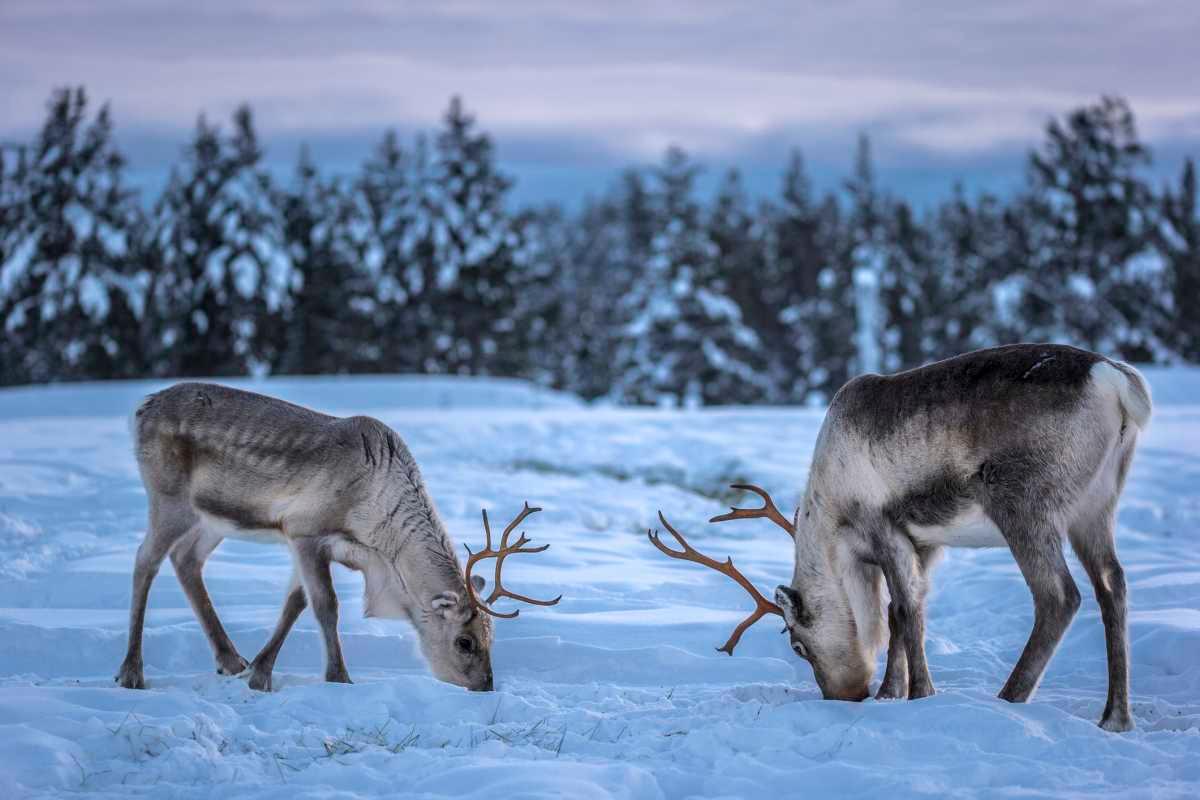
Reindeers grazing in a snow-covered winter landscape
“This finding suggests that as the climate changes, Arctic ecosystems will be increasingly exposed to climate conditions they have never experienced before. This may have significant long-term consequences for Arctic nature,” said Miska Luoto, a professor from the University of Helsinki. The scientists analyzed years of data and found that the temperatures have been increasing significantly. Moreover, the study has also specified certain “hotspots” where the changes have been seen the most, such as areas in western Scandinavia, the Canadian Arctic Archipelago, and central Siberia.
These extreme conditions can negatively impact the Arctic ecosystem. Large stretches of vegetation can be wiped out, and animals will face rising death rates. The biodiversity and the livelihoods of Indigenous and local communities that depend on them will also be threatened. These disruptions also matter globally, as damaged Arctic ecosystems may absorb less carbon, which is the Earth’s natural defense against climate change. The study also shows that extreme weather now affects about one-third of the Arctic’s land area, including regions where such conditions were previously unknown.
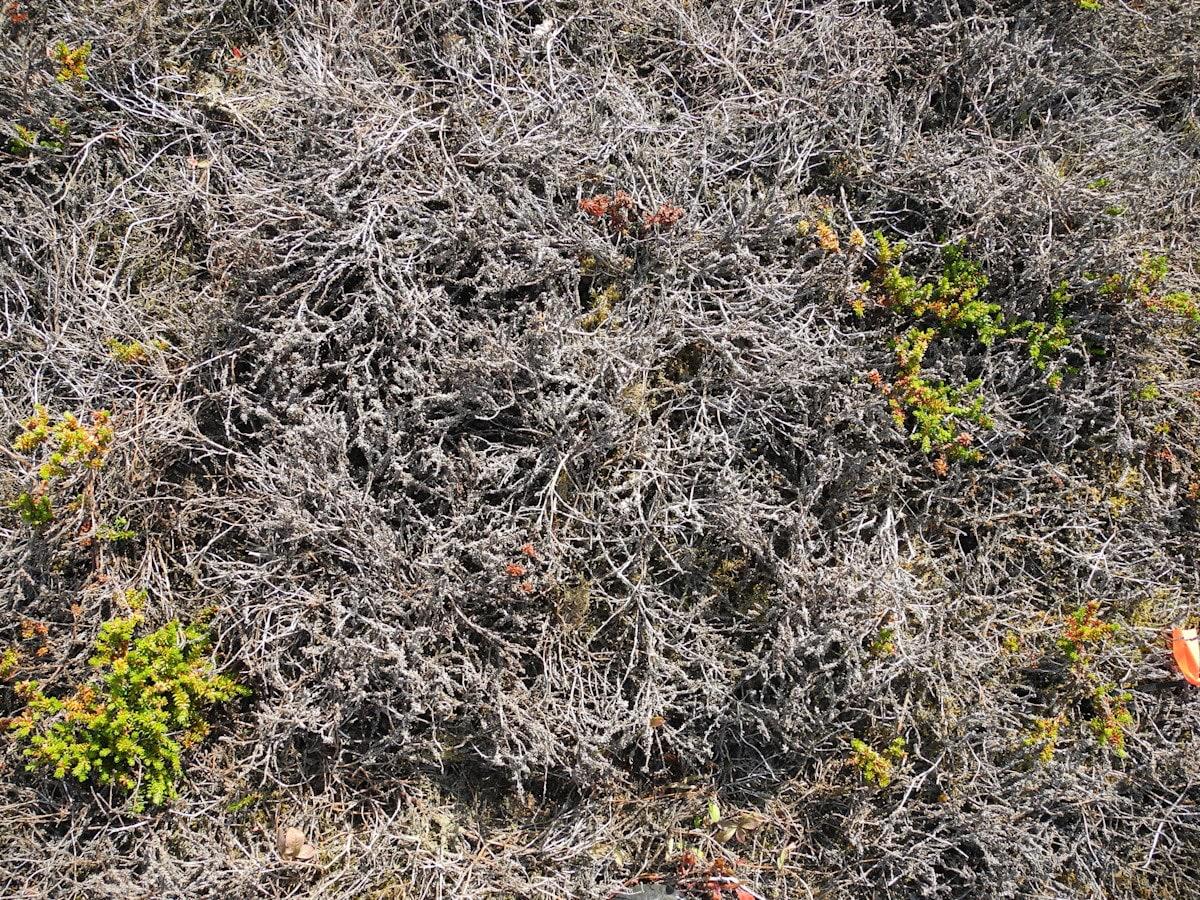
Empetrum nigrum, or crowberry, killed by extreme winter warming
The study was done through advanced atmospheric reanalysis data that combines real-world observations with computer models to create a detailed picture of conditions. This technique is helpful in the Arctic because it is hard to collect data in a region so remote. Understanding how the Arctic’s climate is changing is important for protecting wildlife and helping local communities adapt. The study warns that continued warming will likely bring even more extreme weather, creating challenges that both nature and people have never faced before. Apart from the Finnish Meteorological Institute, the study was also done by researchers from the Universities of Helsinki and Jyväskylä, as well as from the UK and France.