
Scientists Warn SpaceX’s 9,000+ Satellites and Growing Debris Could Rapidly Collapse Earth's Lower Orbit
Published Jan. 28 2026, 7:44 a.m. ET

Space debris and satellites orbiting the Earth
While humanity is busy tackling the crisis on Earth, there’s another threat brewing overhead in space. The low Earth orbit that’s not too far away from our planet’s surface is accumulating debris. Scientists fear that the entire region could collapse and turn into a massive chain of debris inching its way to our planet. It’s like a giant overflowing junkyard that is spilling pieces of space junk towards the planet. This would potentially make it impossible for any spacecraft to enter that region without being damaged. Although the analysis is theoretical as of now, first laid out by NASA scientist Donald Kessler, what it proposes might actually happen. According to the study—yet to be peer-reviewed—the objects in the low Earth orbit are increasing rapidly.
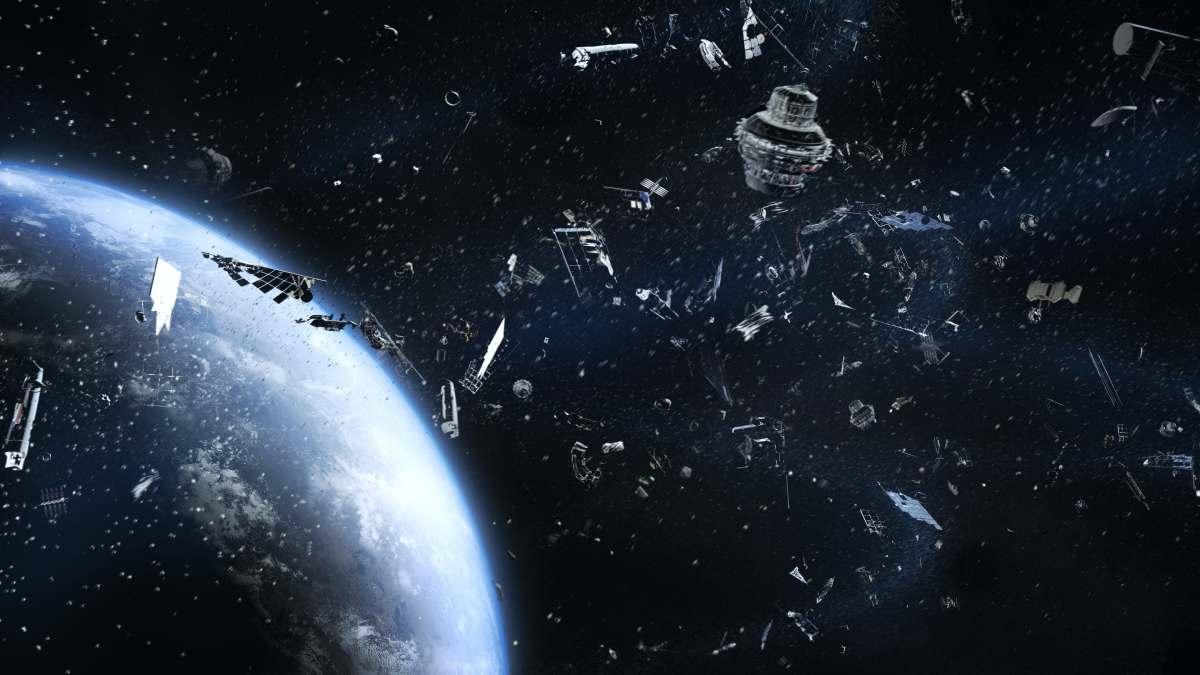
Space debris orbiting Earth
The study holds the launch of megaconstellations responsible for cluttering the low Earth orbit. Megaconstellations refer to a massive network of satellites carefully designed to enable debris management, as per the European Space Agency (ESA). Although LEO satellites are important for astronomers, they can escalate several issues, including space debris accumulation, malfunctions, collisions of satellites, radio-spectrum pollution, and even ground casualty risks. The emissions released from these satellite launches could also pollute or even alter Earth's upper atmosphere. As satellites continue to launch, these would certainly get worse. According to Futurism, Elon Musk’s SpaceX alone has a megaconstellation including a whopping 9,000+ satellites.
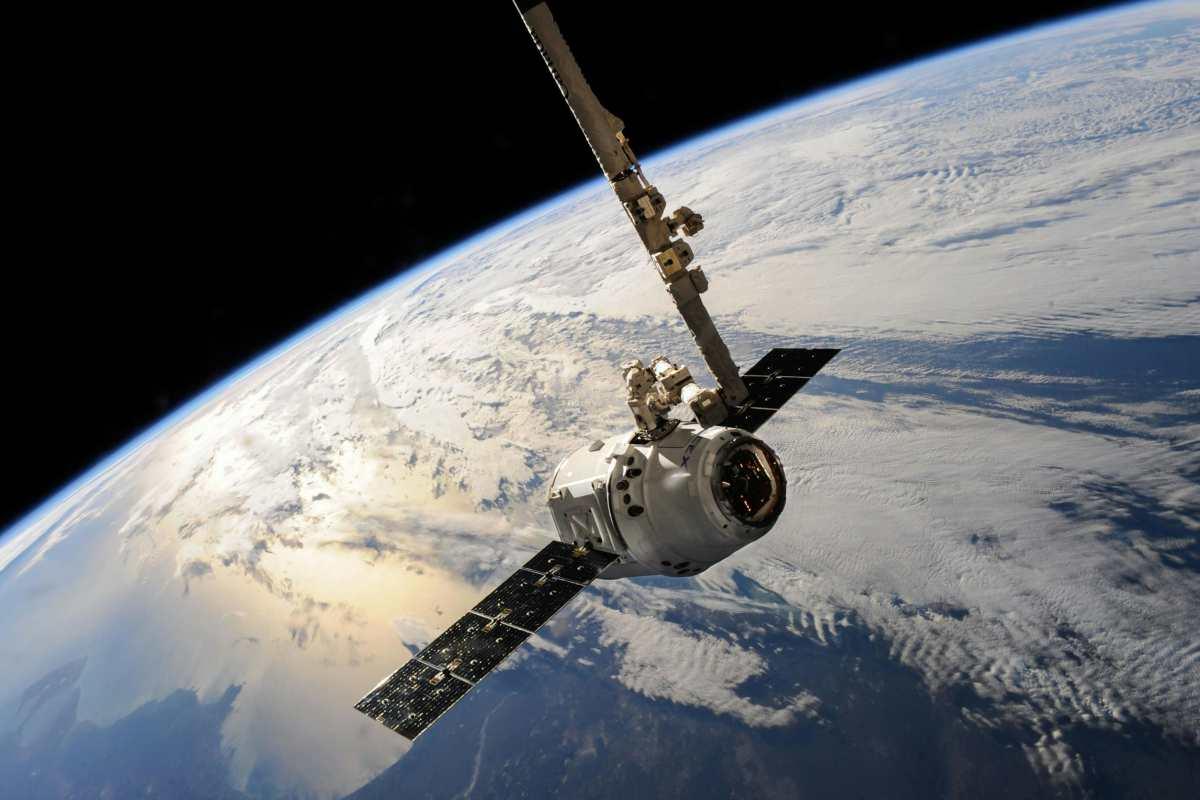
A satellite orbiting around Earth
A recent study exposed that Amazon maintains LEO satellites, with most of them exceeding the brightness level recommended by the IAU, causing hindrance to astronomical studies. China is planning to place a megaconstellation at LEO with a staggering 200,000 satellites. If Kessler's theory proves true, increasing the number of satellites would increase space debris, and that could eventually lead to a catastrophic event. However, the new study, which is based on Kessler's theory, brought a different plausible angle to the picture that makes the LEO clutter even more concerning. It suggests that a massive solar storm might bring Kesseler's theory to life. The strong solar radiation could damage Earth's magnetic field and destroy electrical grids and communications.
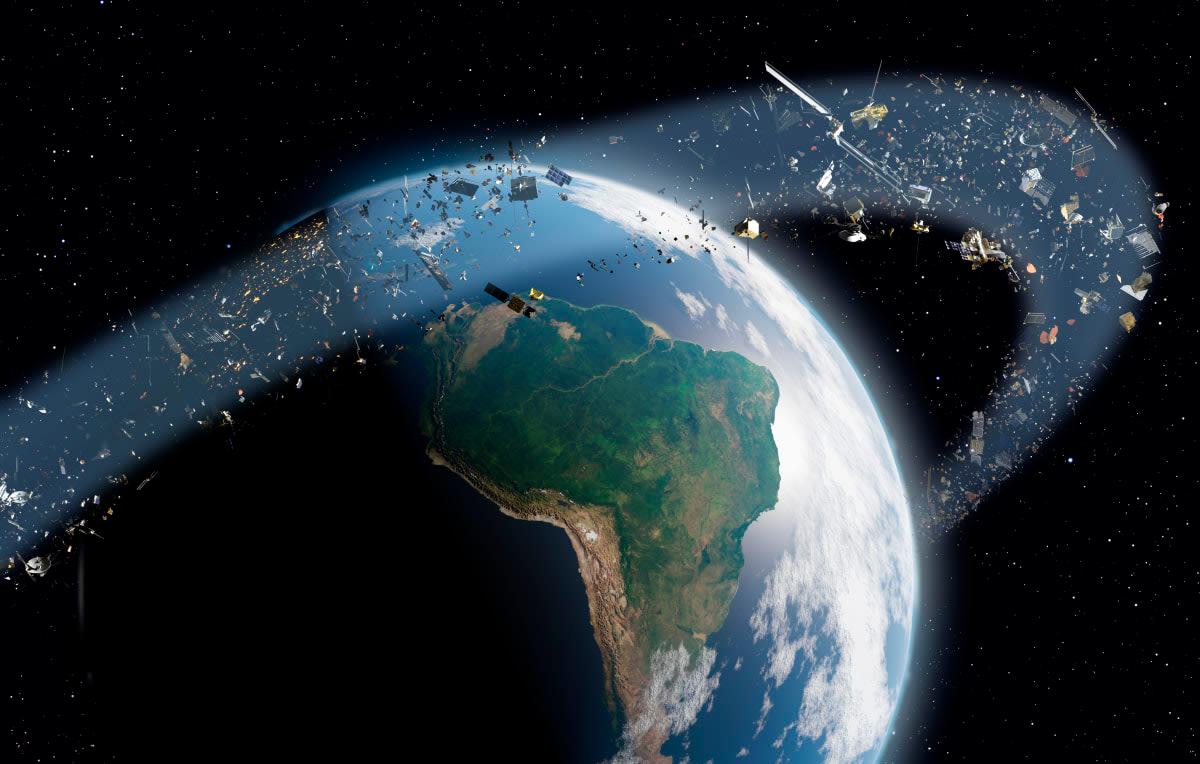
Space junk orbiting Earth, illustration-stock illustration
This massive electrical malfunction can potentially fry the navigation system of the LEO satellite, cut its connectivity to the Earth, and leave it no choice but to fall back into the atmosphere. Earth's gravitational force will pull back the space junk at a staggering rate, posing a threat to the lives on our planet. Navigation for space satellites is important, especially considering how overcrowded the low Earth orbit has become. The expendable satellites must constantly maneuver in space to avoid collision with other satellites or space debris. If a massive solar storm disrupts the navigation, the satellites will most likely go haywire, increasing the risk of collision exponentially. In the recent study, researchers created a new metric called the CRASH clock to measure the duration between a solar storm triggering electrical dysfunction and a potential collision.
Simply put, things will unravel rather shiftily. According to the data, the satellite will initially maintain "close approach" by passing each at a distance of 1 km (0.62 miles), which is quite close for spatial standards. And this close distance will be reached once every 36 seconds, as if testing the waters before colliding. The CRASH clock tracked that the satellite debris will take at least 5.5 days before hurling towards Earth, giving humanity very little time to mitigate the issue if the solar storm were ever to occur.